03 Feb, 2026
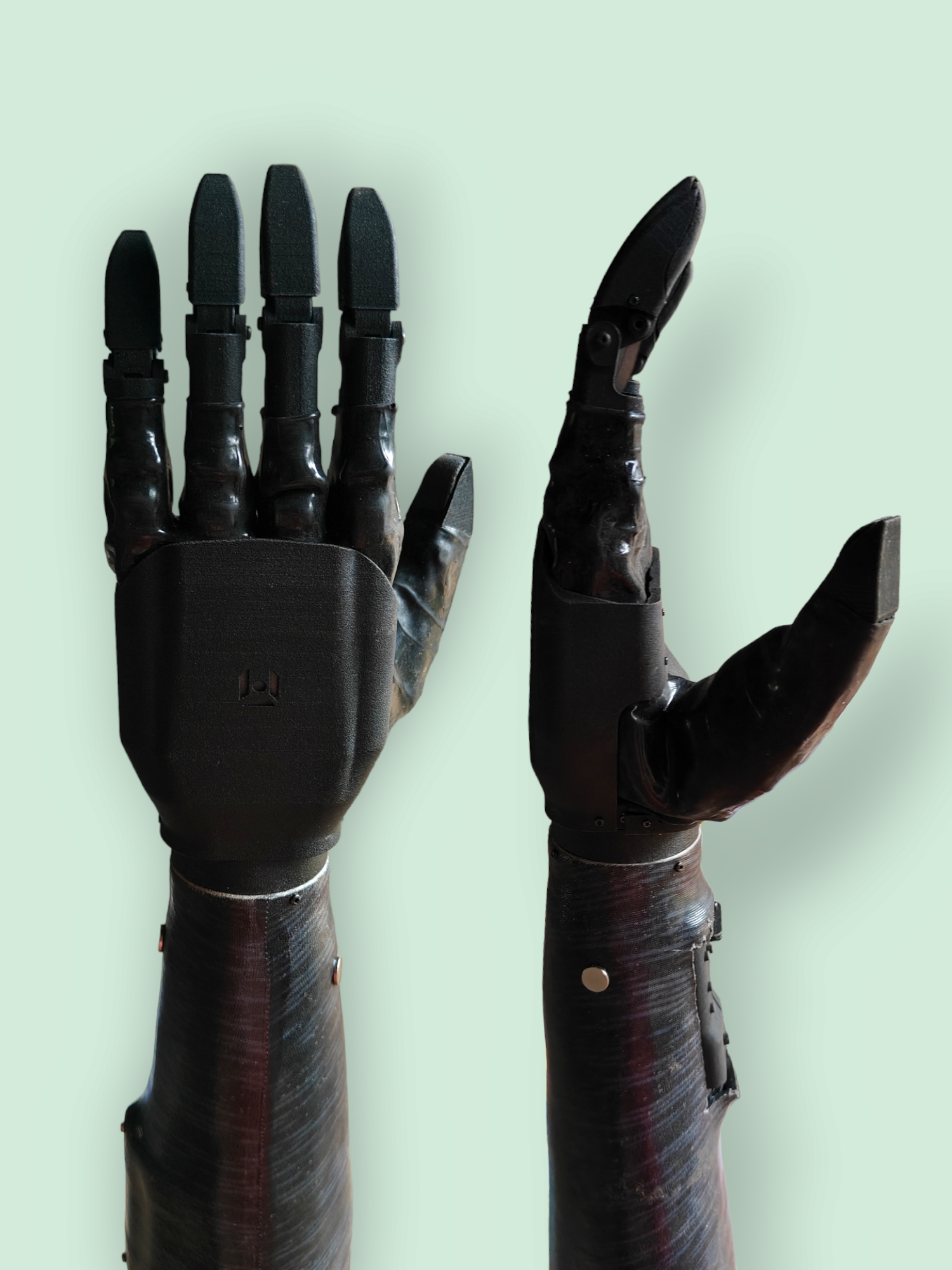
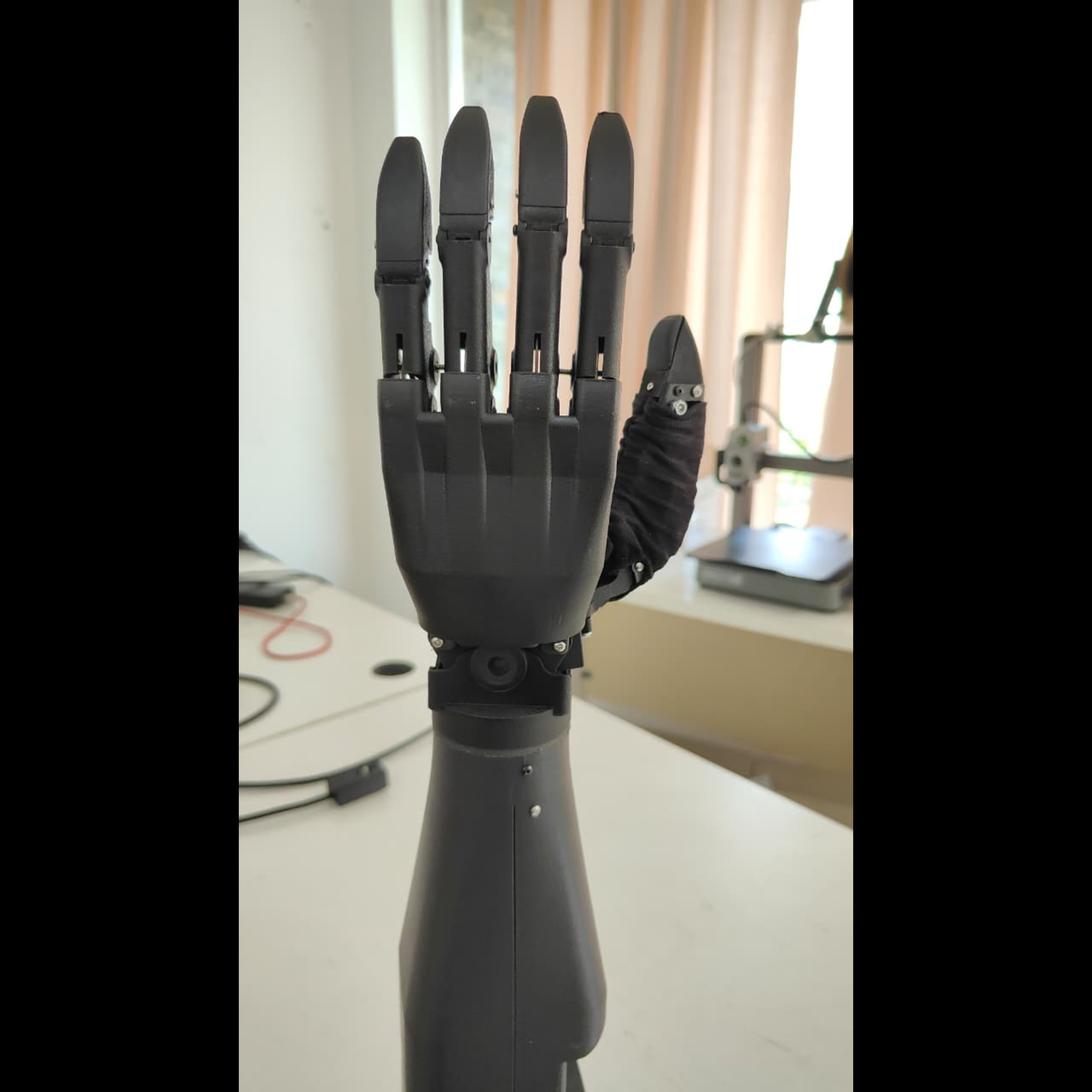
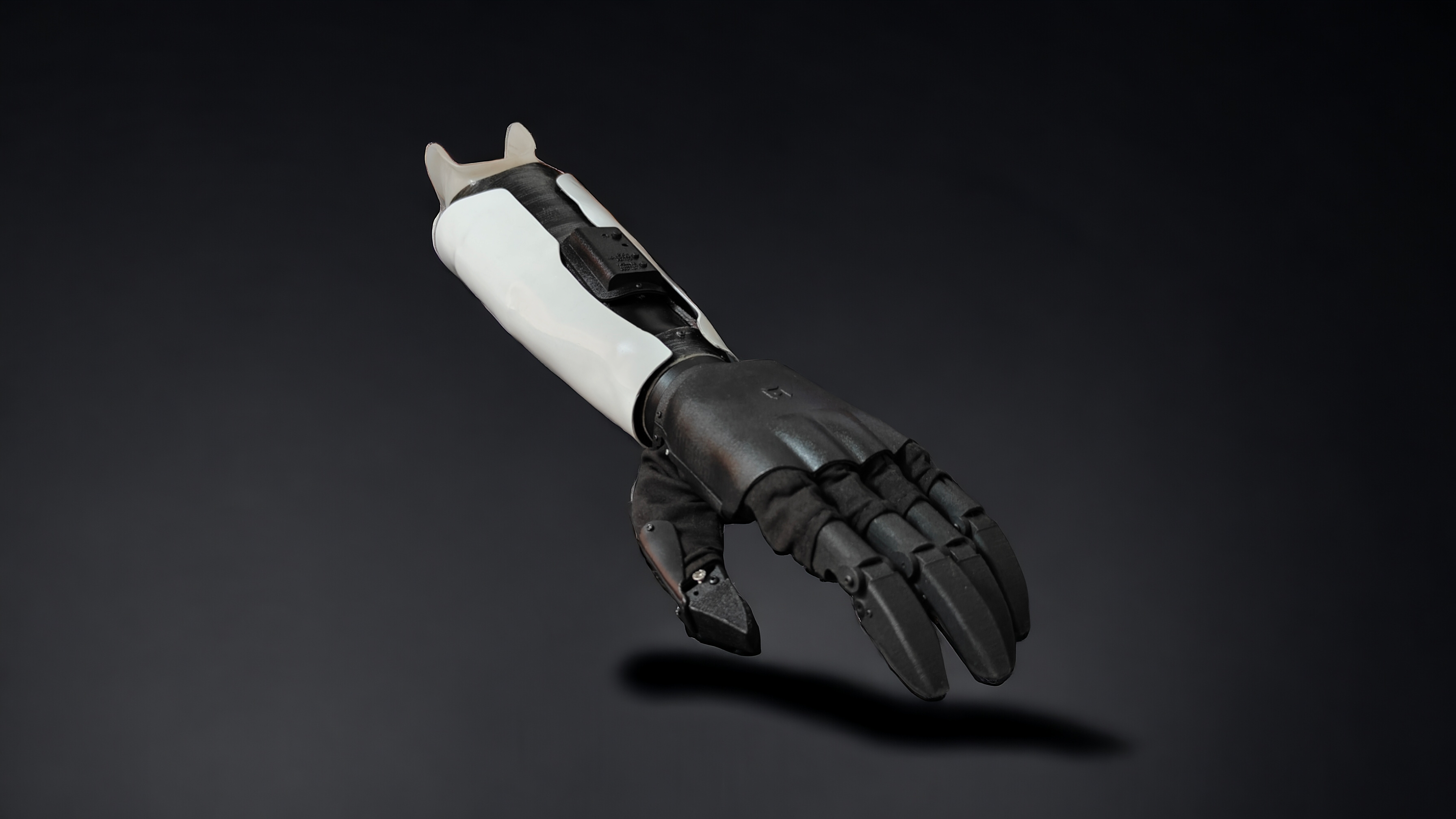
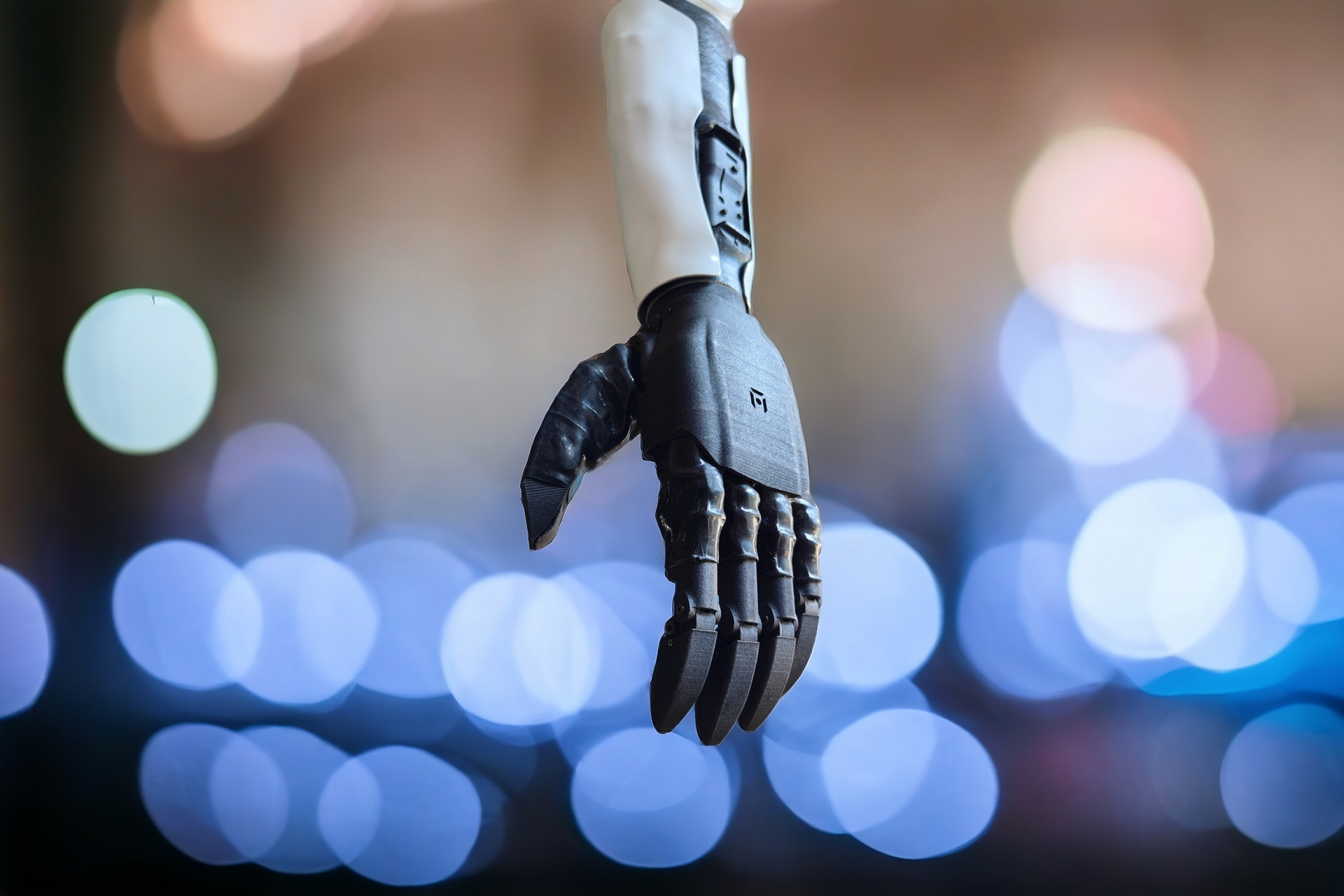
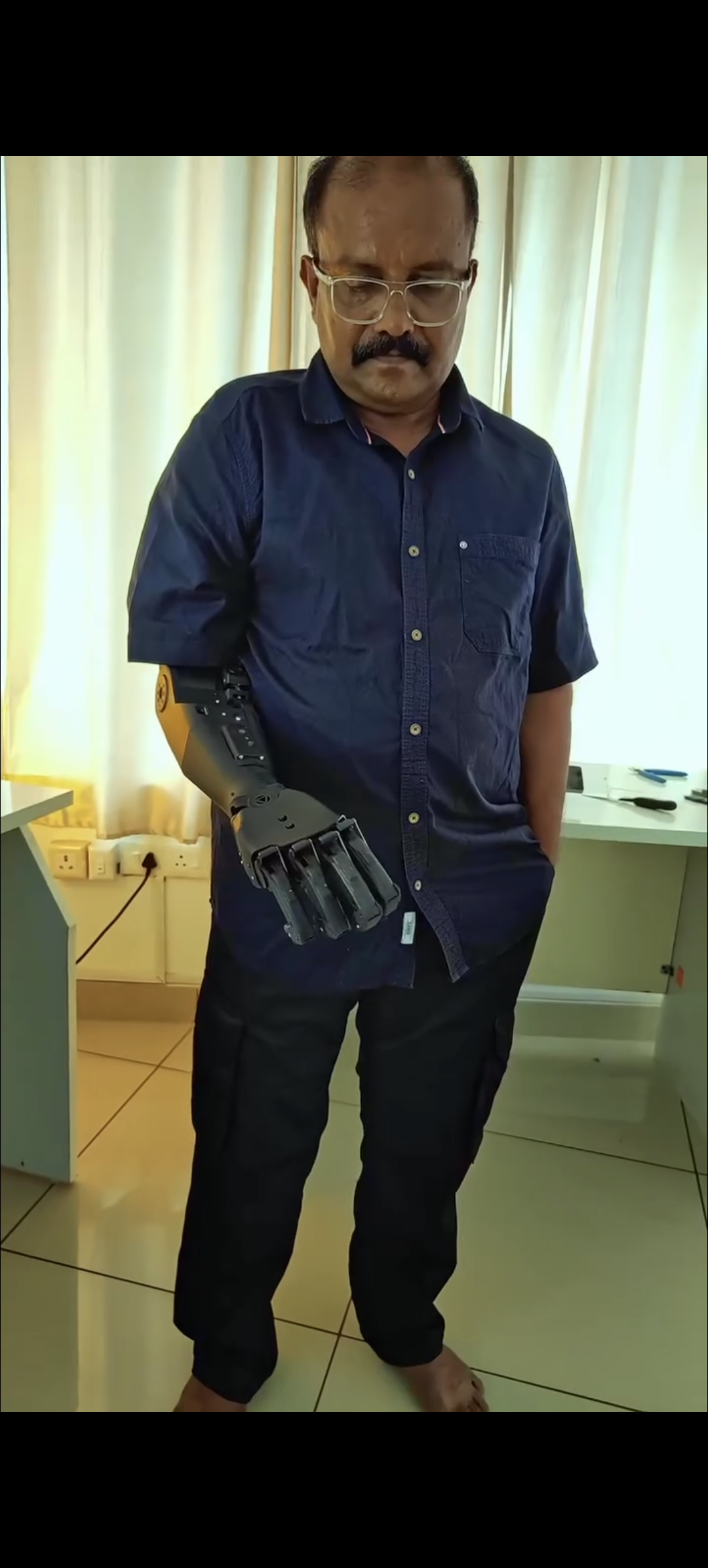
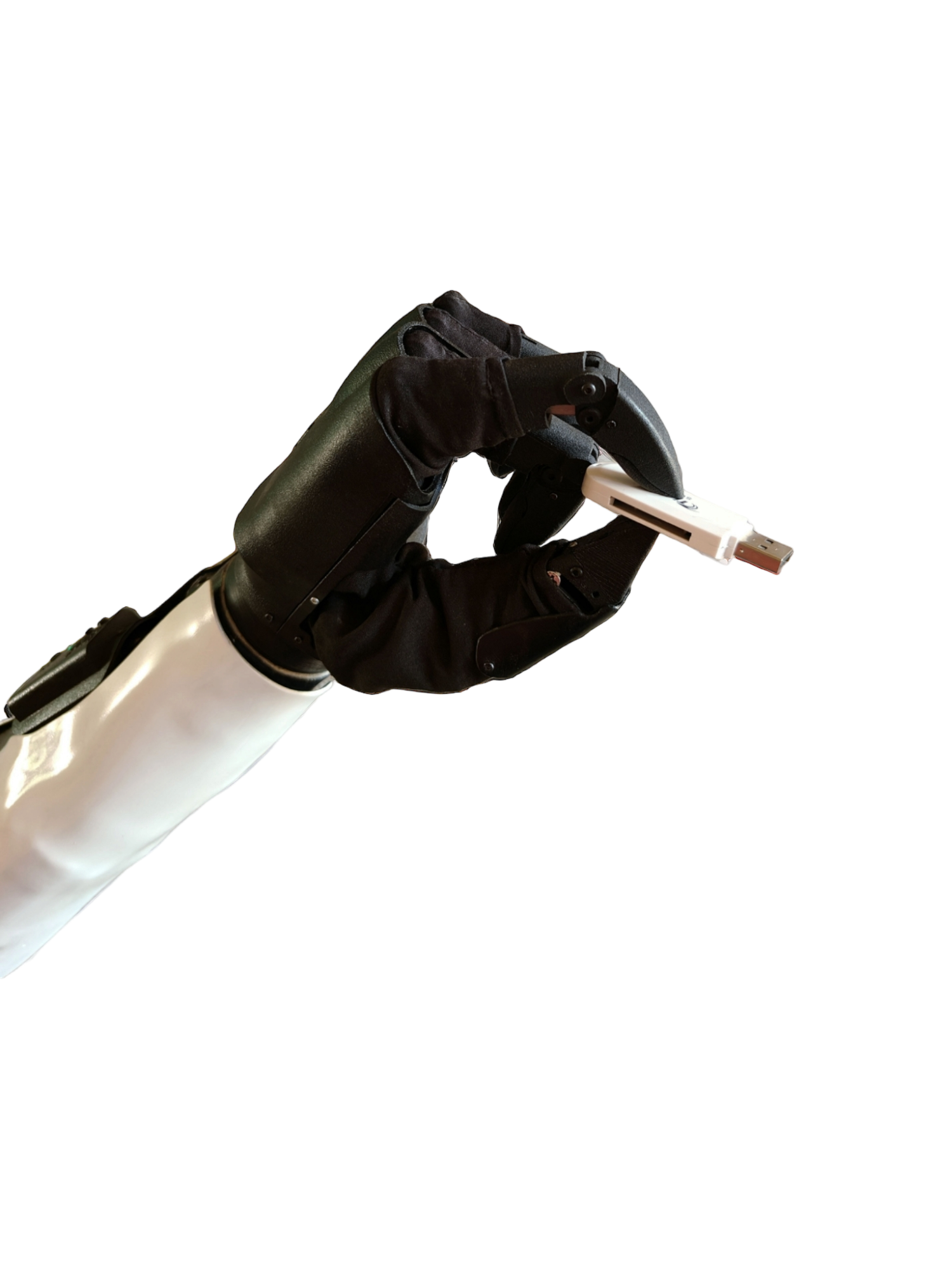
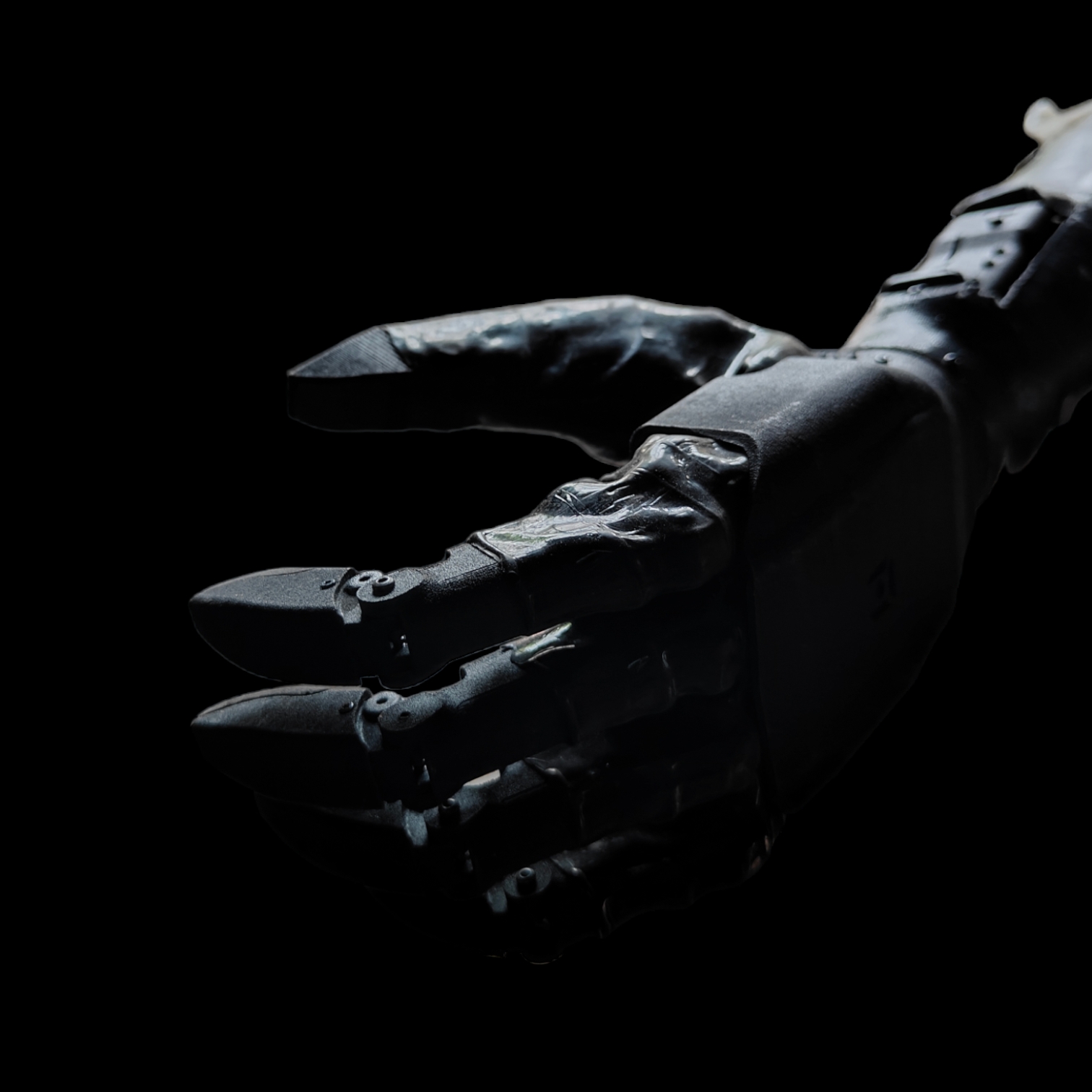
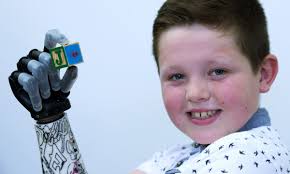
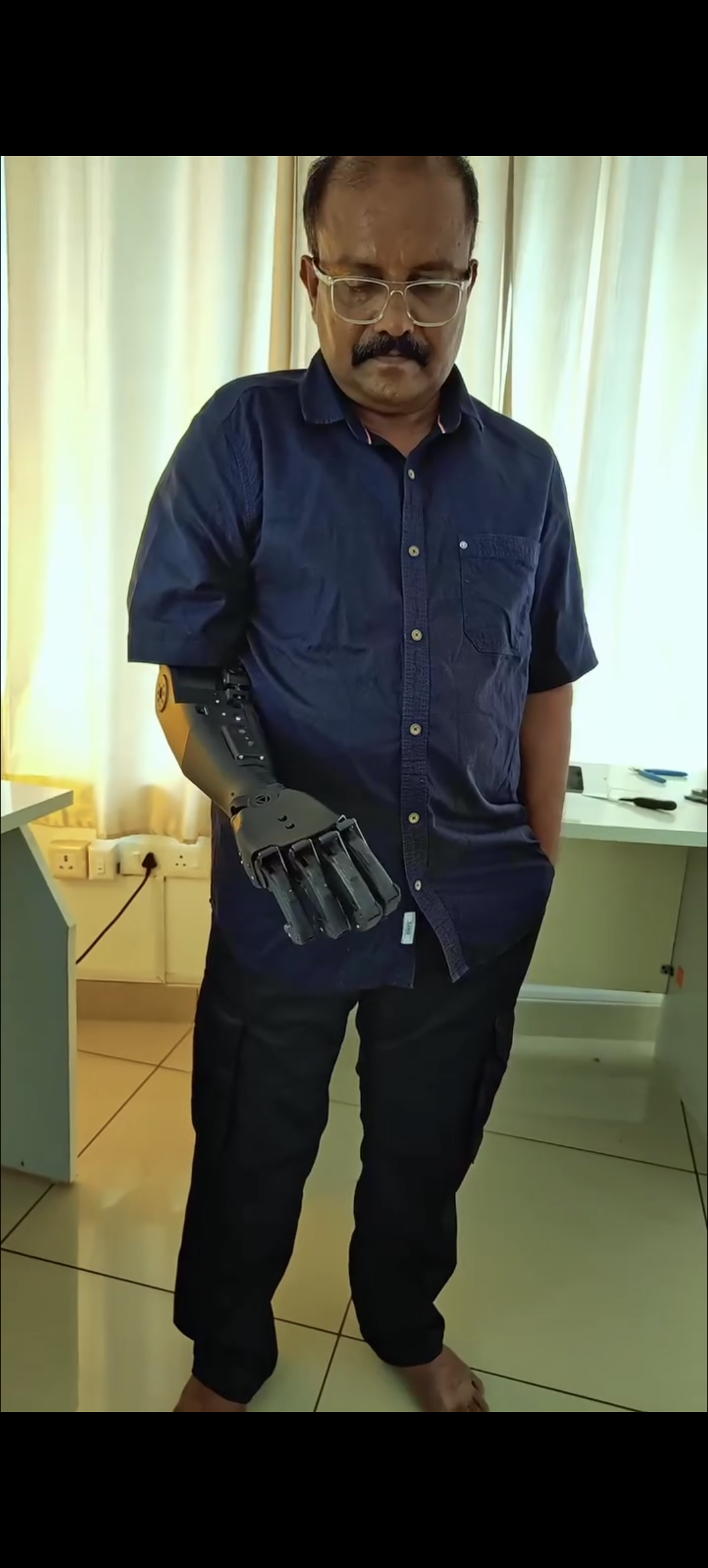
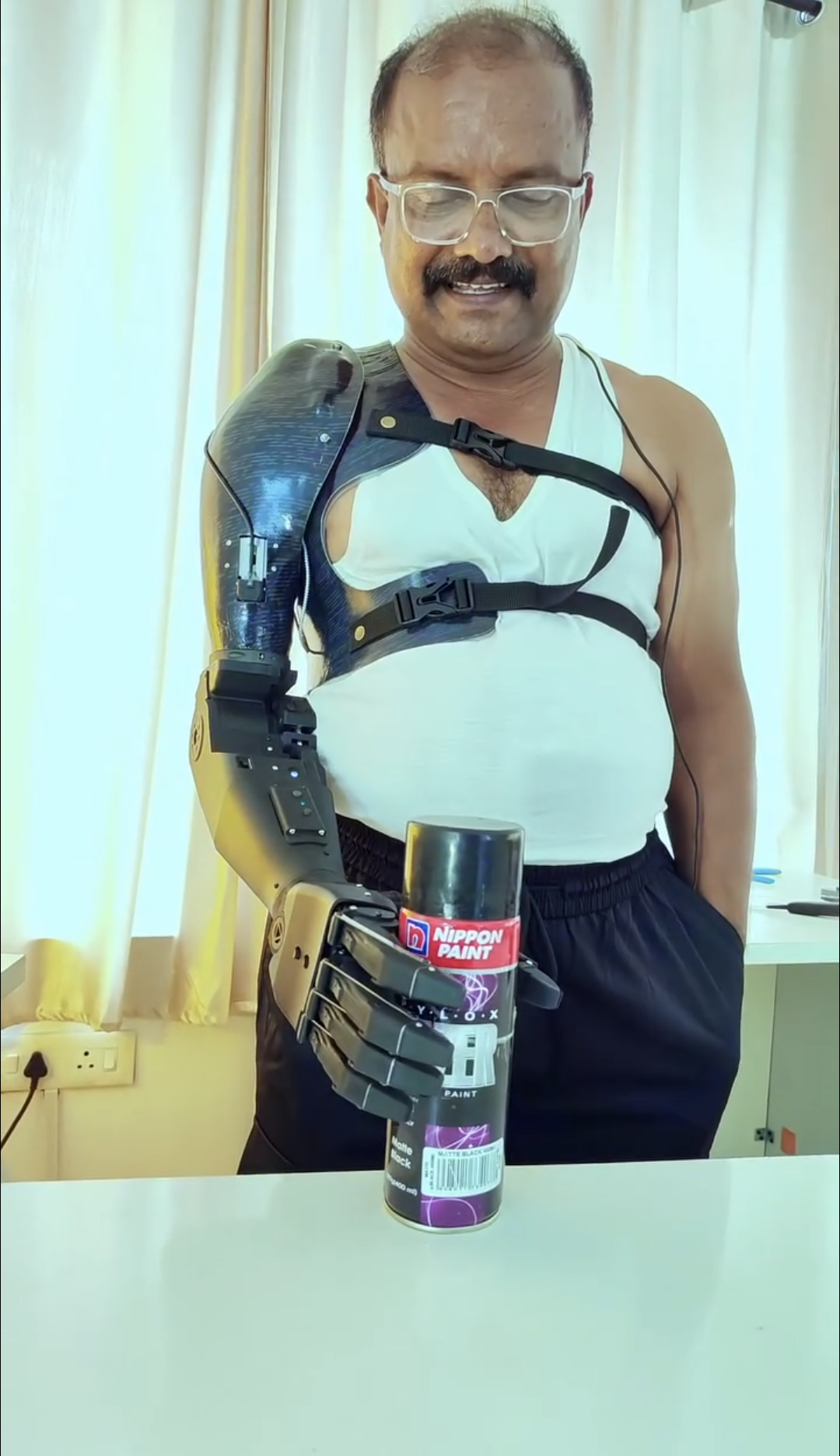
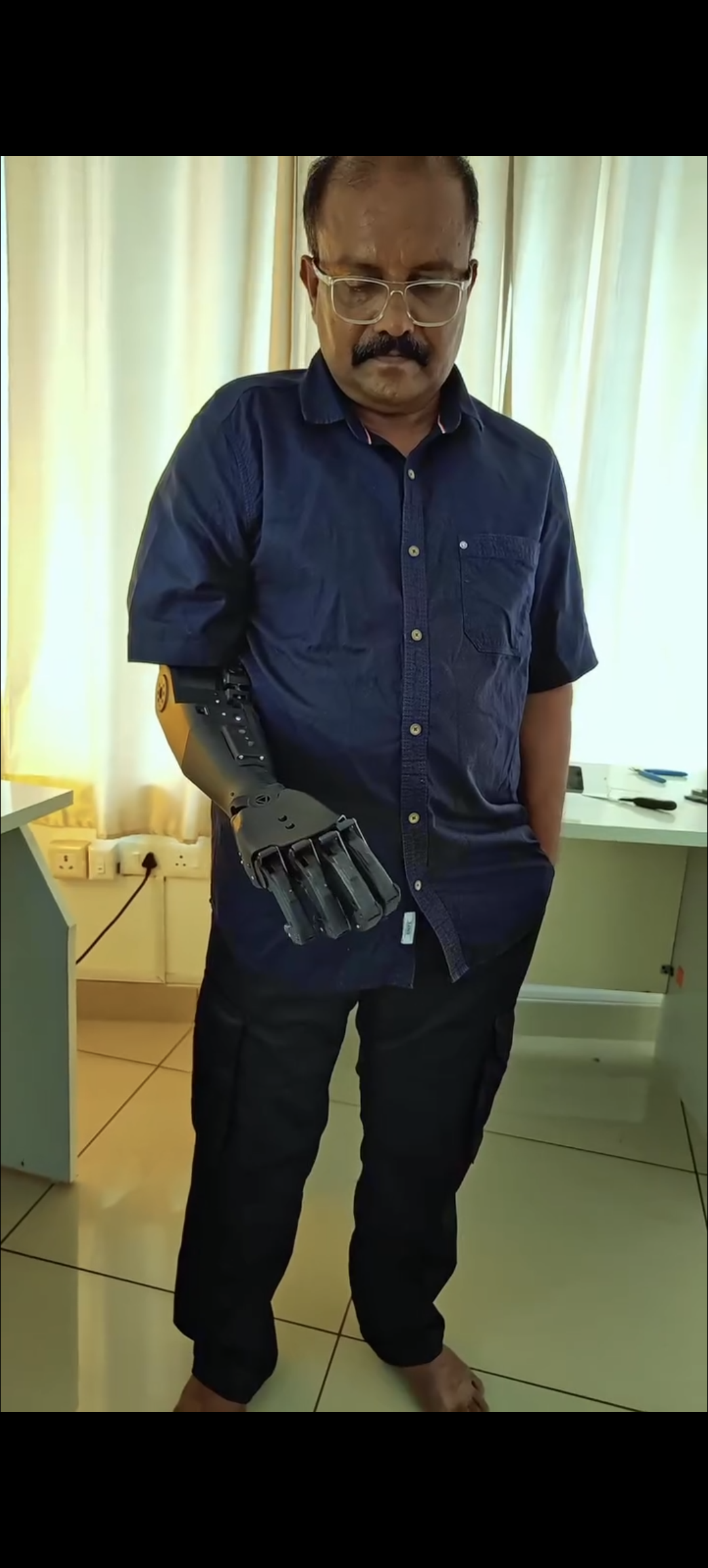
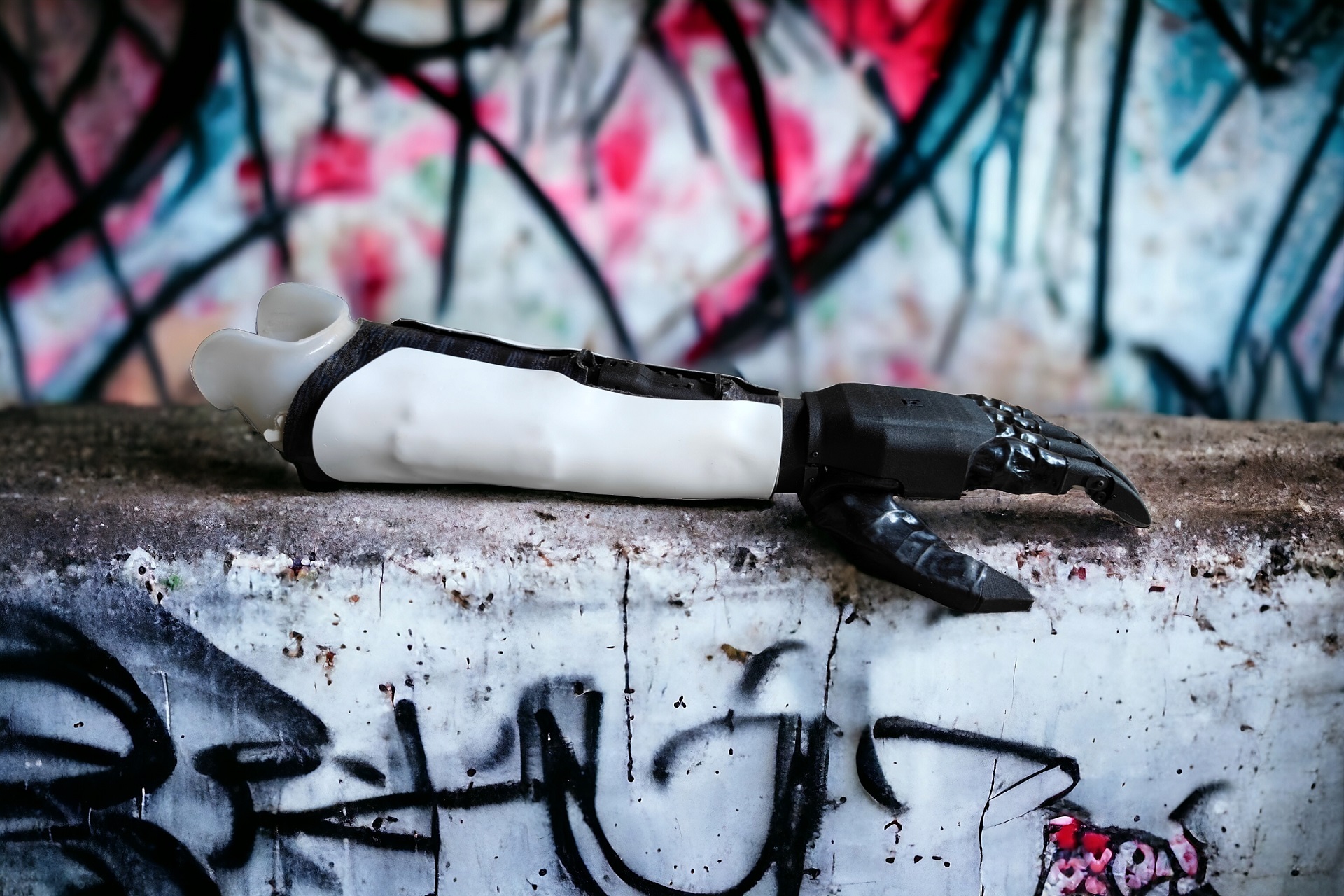
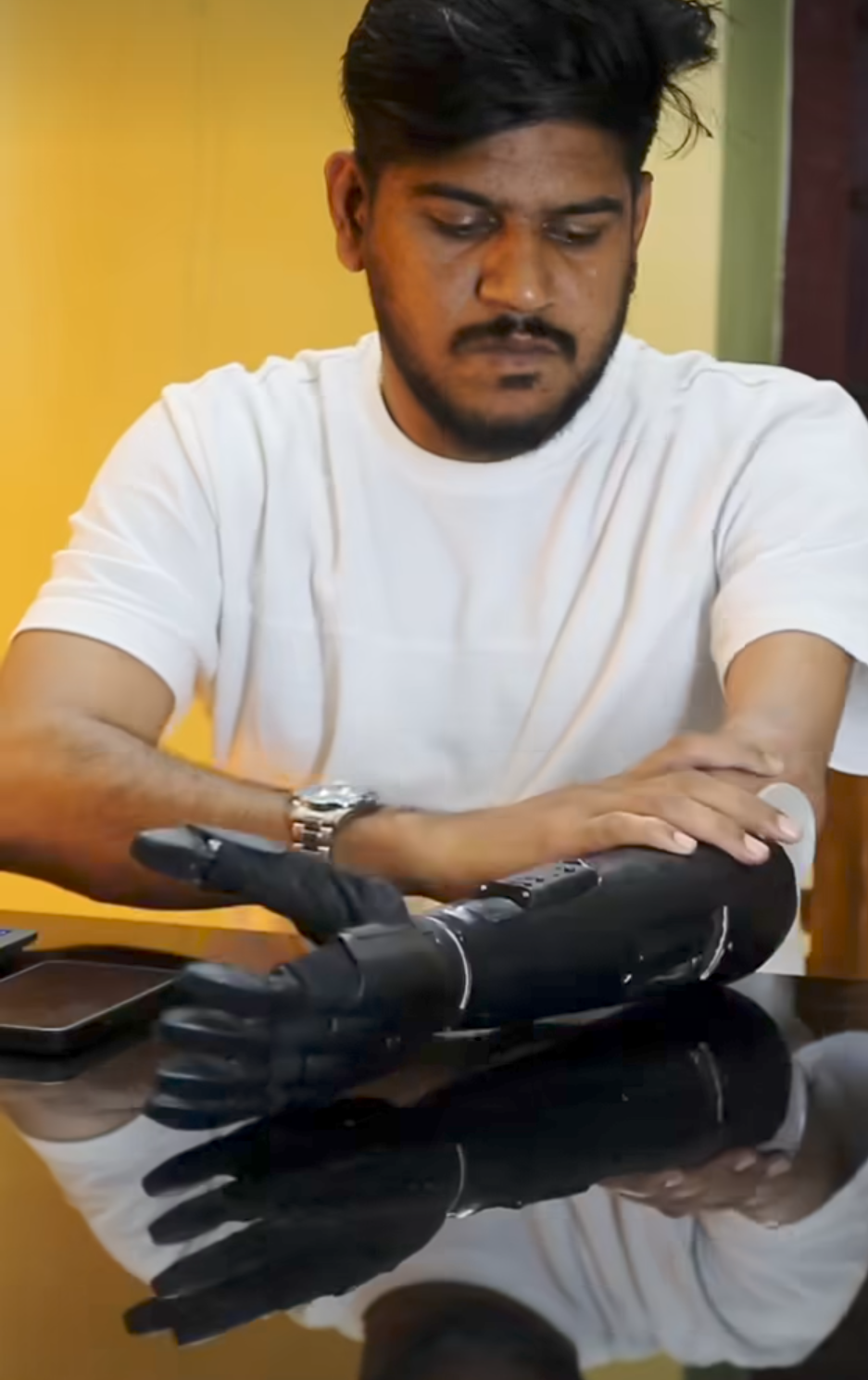
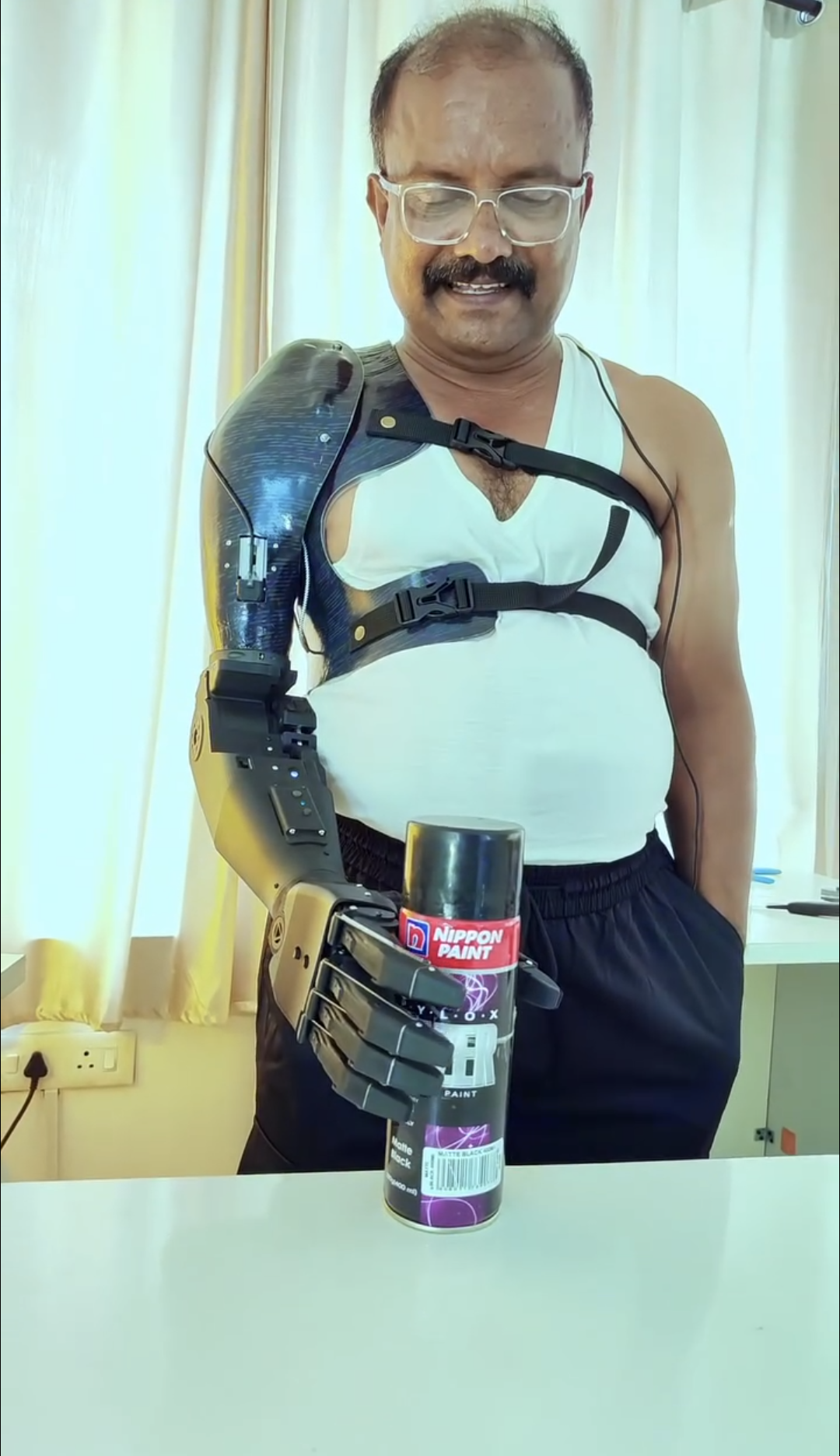
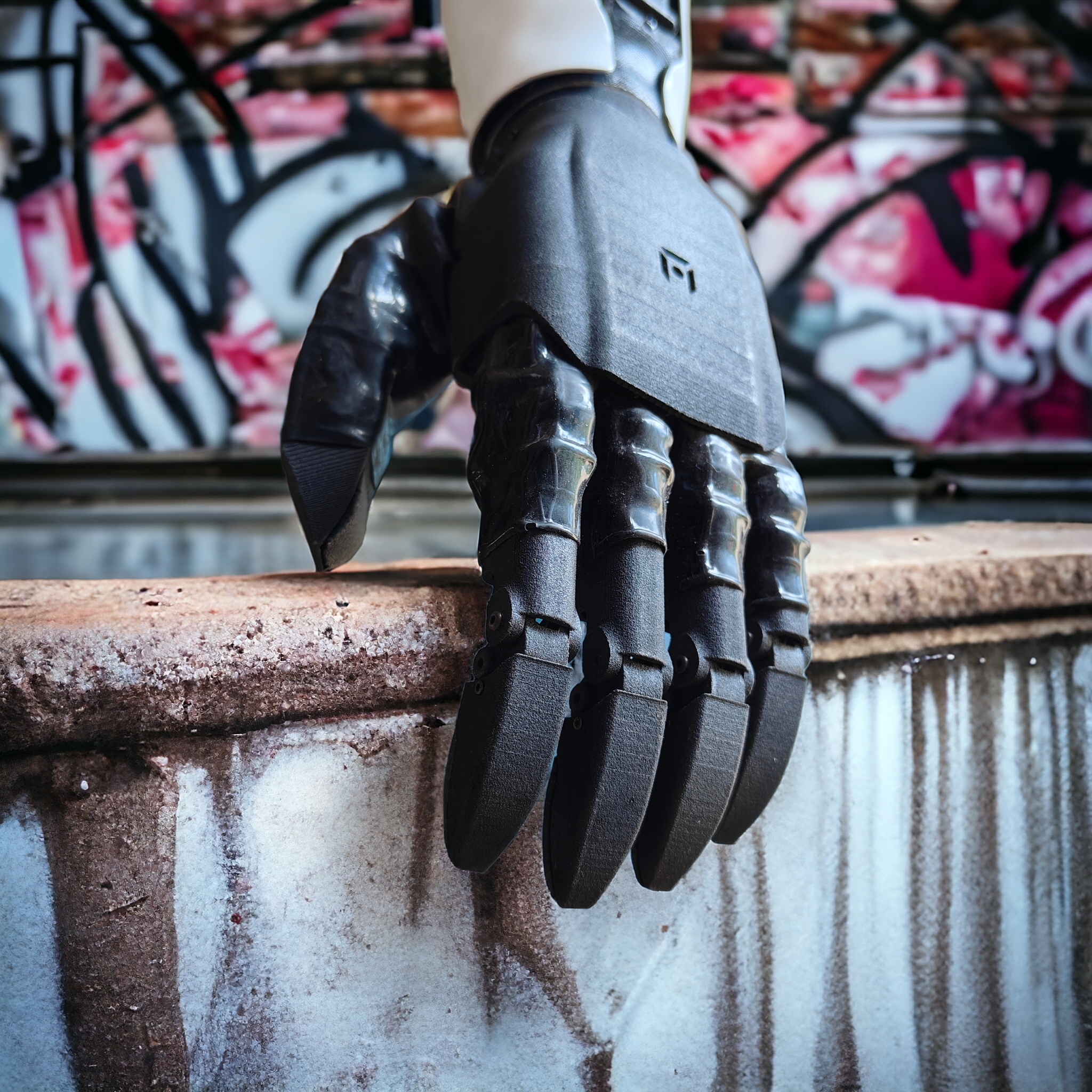
Prosthetic technology has advanced dramatically over the past decade. In 2026, modern prosthetics are no longer just replacement limbs—they are intelligent, adaptive systems designed to restore mobility, independence, and quality of life.
From AI-powered bionic limbs to advanced materials that mimic human muscle movement, today’s prosthetics are transforming rehabilitation and redefining what’s possible for amputees worldwide.
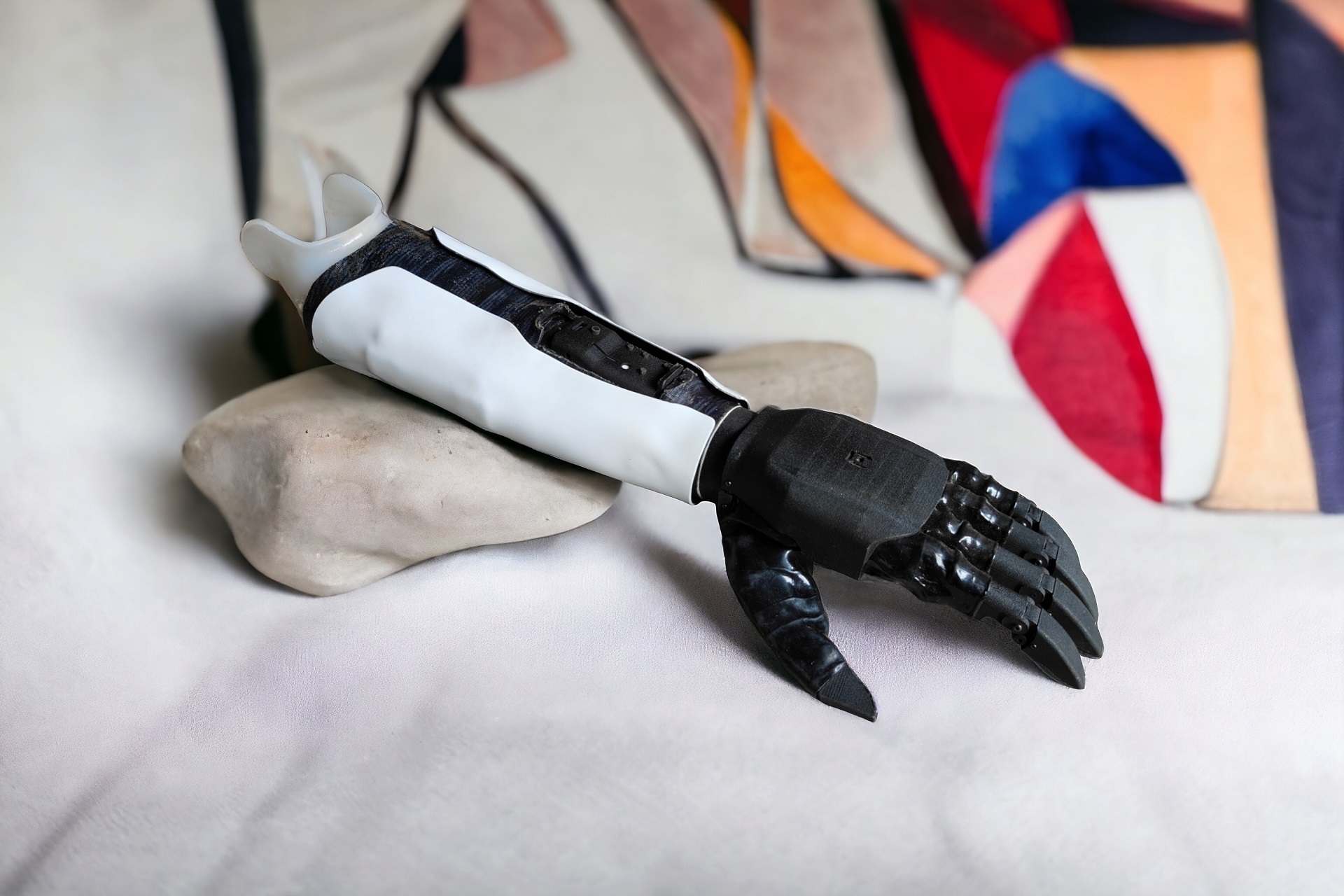
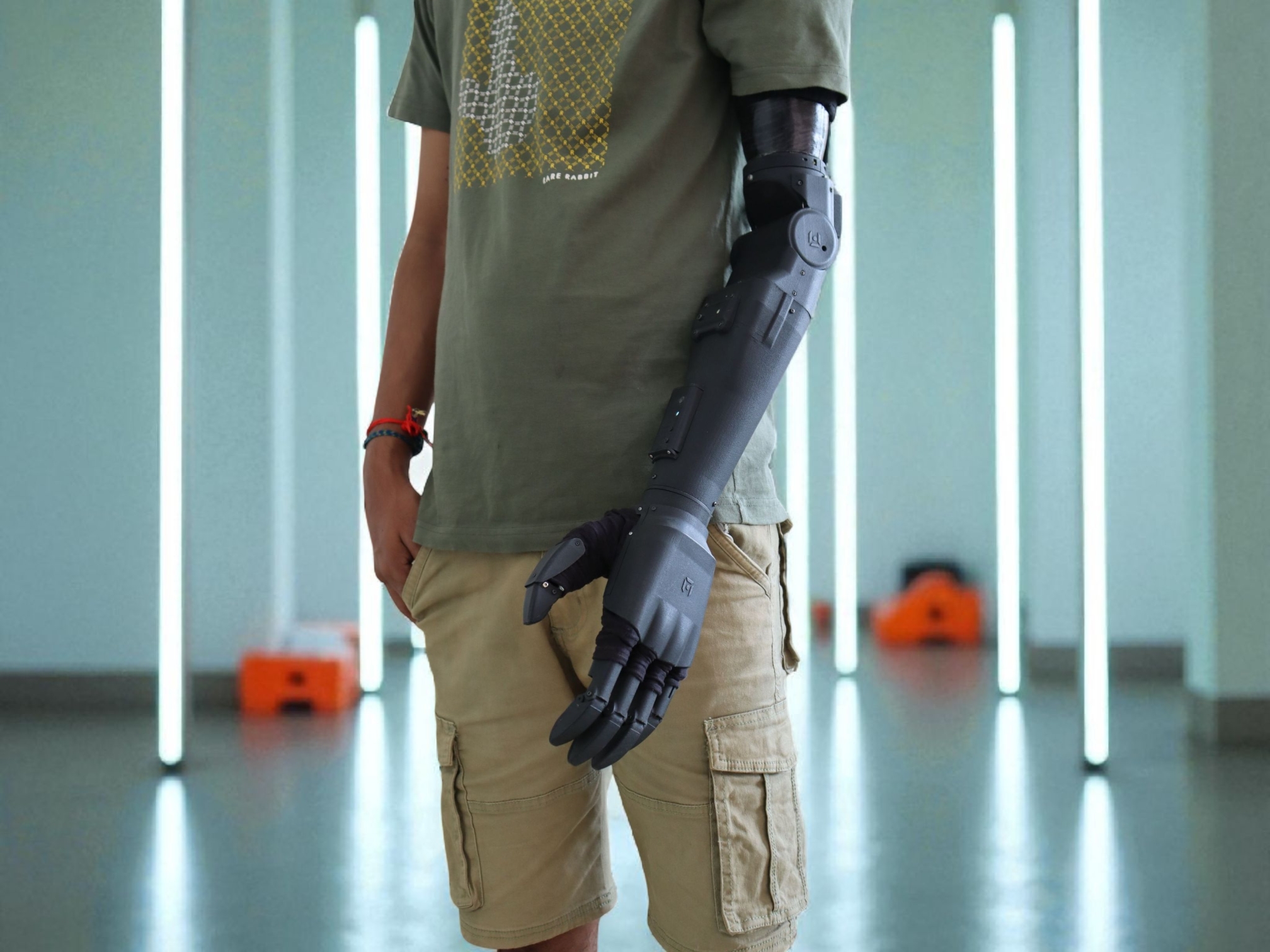
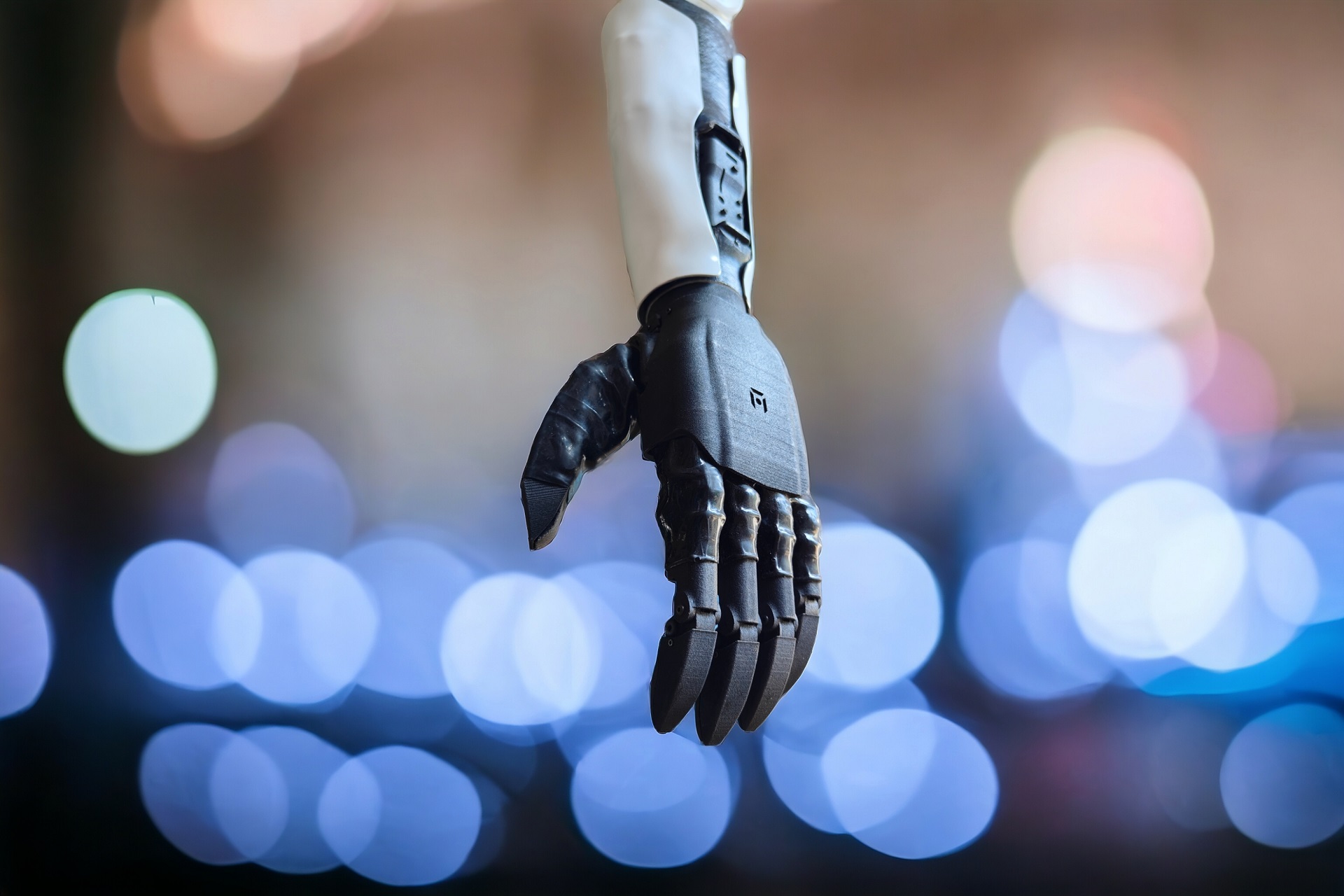
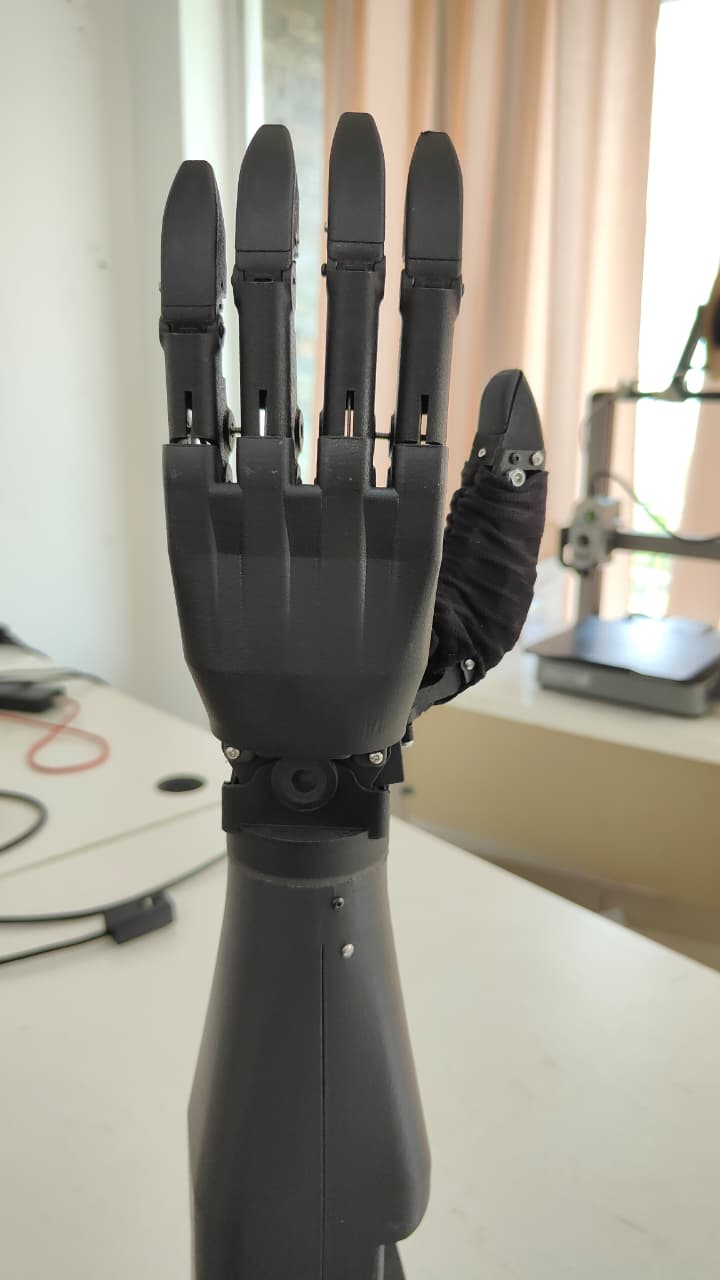
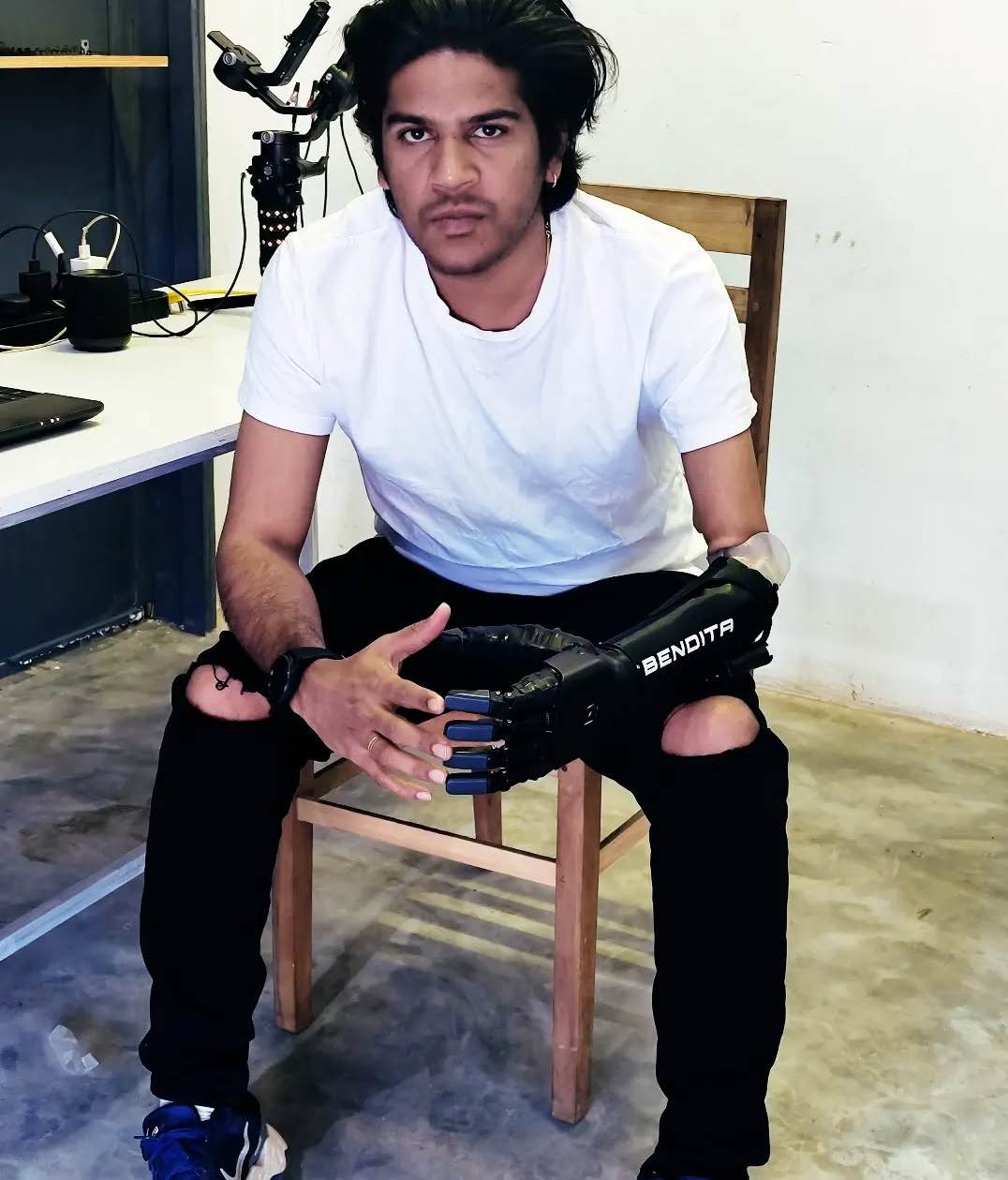
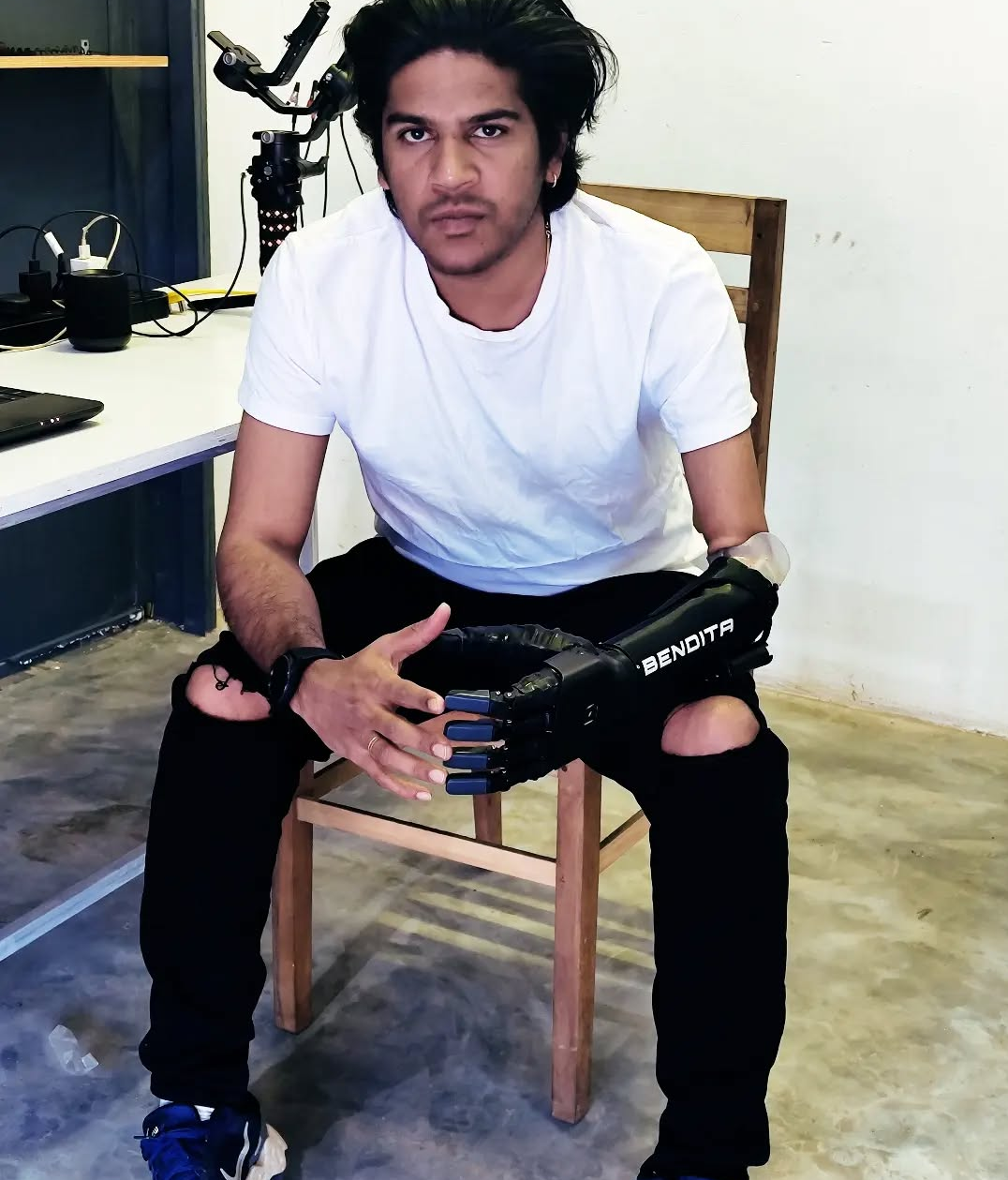
This guide explores the latest prosthetic technologies in 2026, how they work, and how innovative companies like Bendita Bionics
are shaping the future of human mobility.
Older prosthetic systems were primarily mechanical, relying on body movement and harnesses for control. While functional, they offered limited precision and comfort.
Modern prosthetics in 2026 now feature:
Smart sensors and microprocessors
Myoelectric and neural control systems
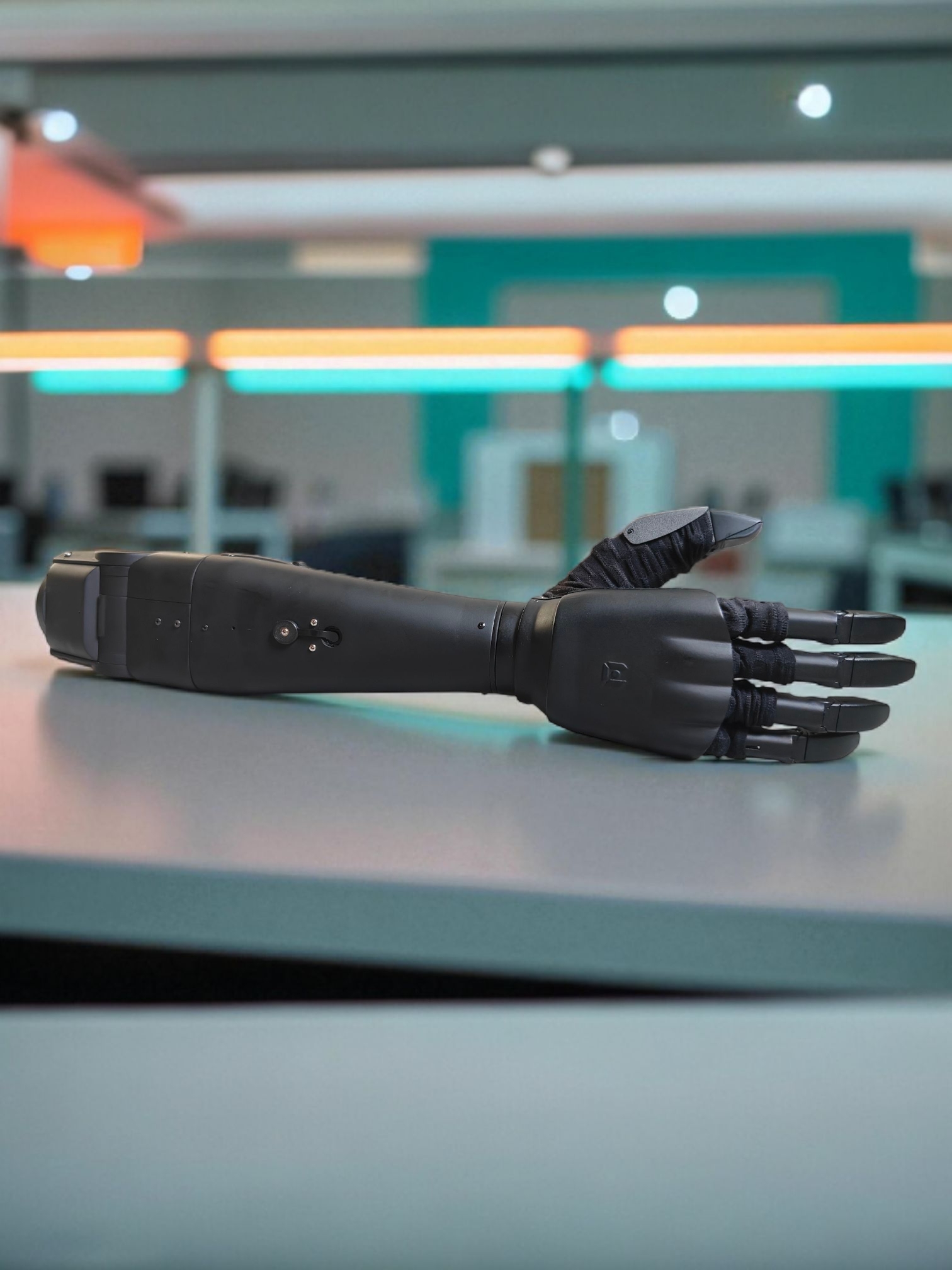
Lightweight carbon fiber and titanium materials
AI-assisted motion prediction
These advancements allow prosthetics to respond naturally to user intent, reducing fatigue and improving control.
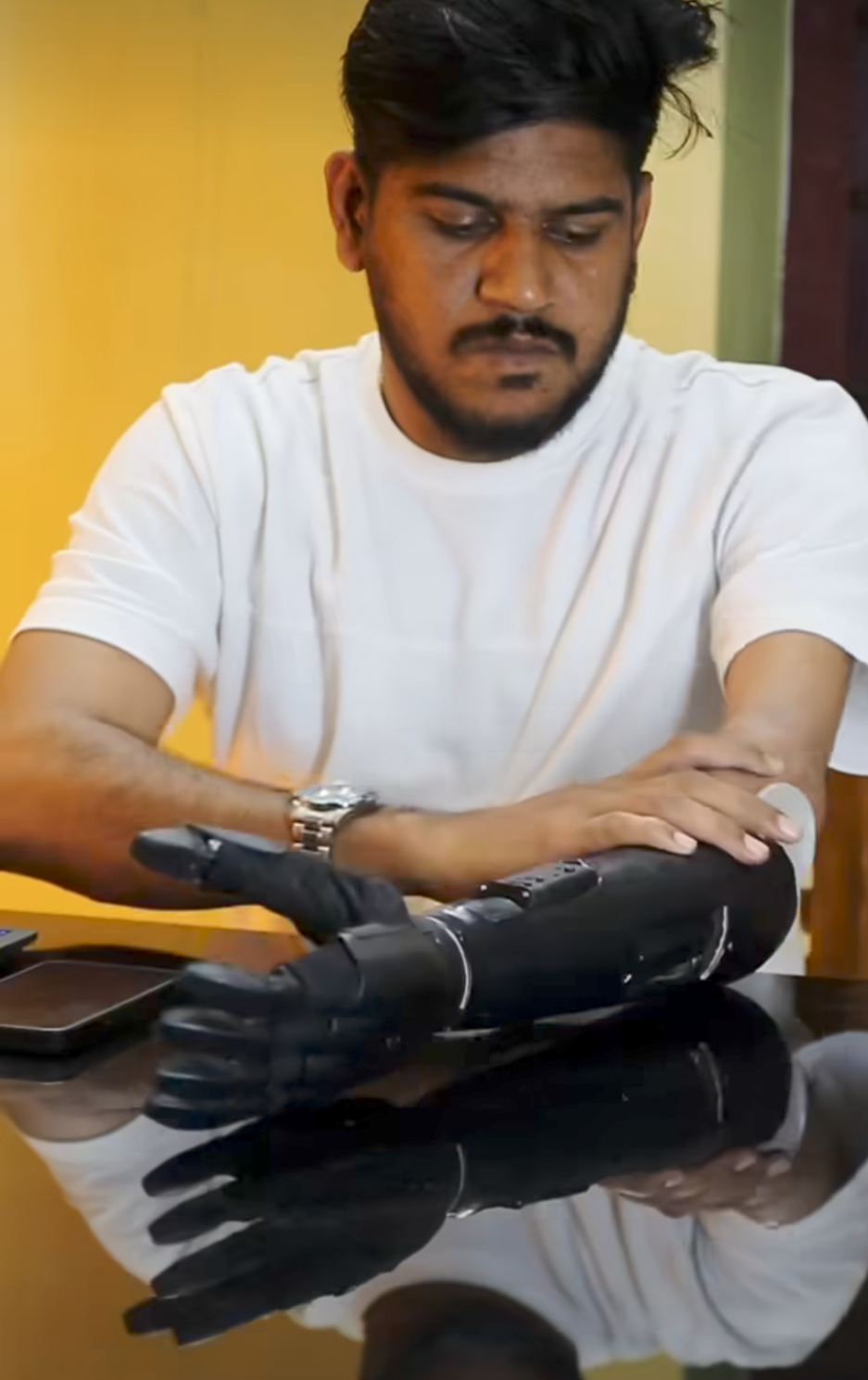
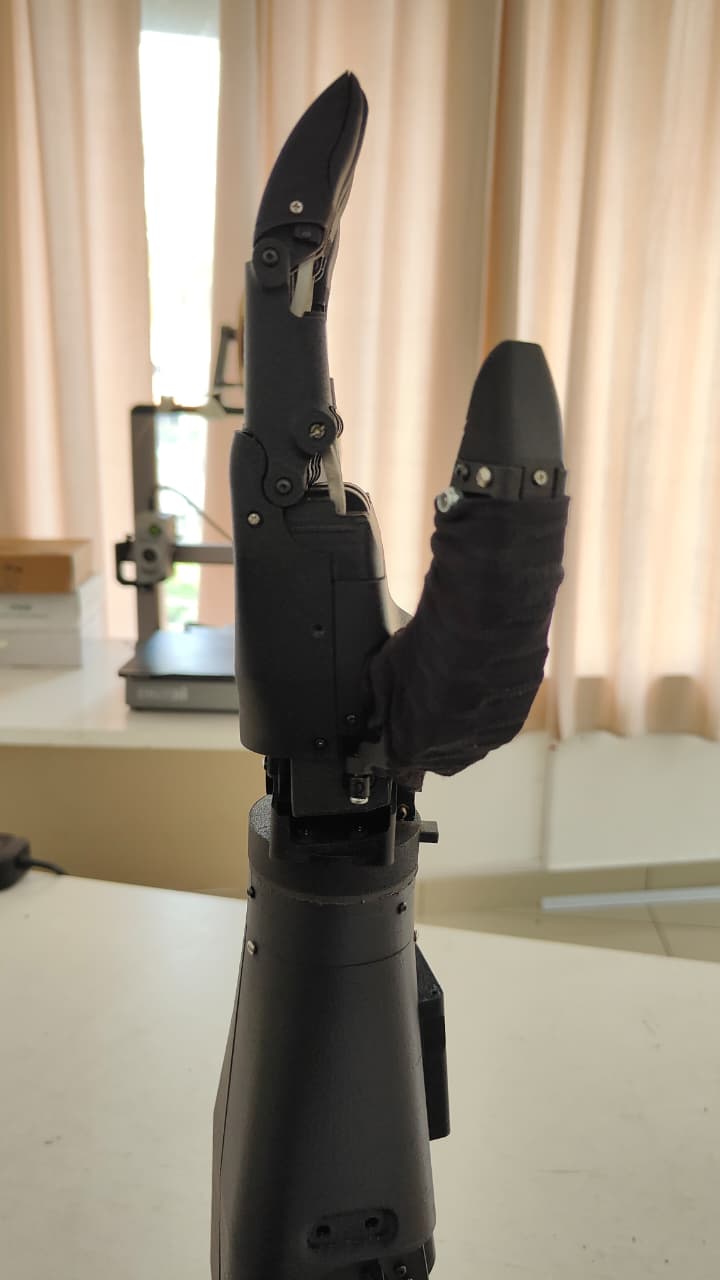
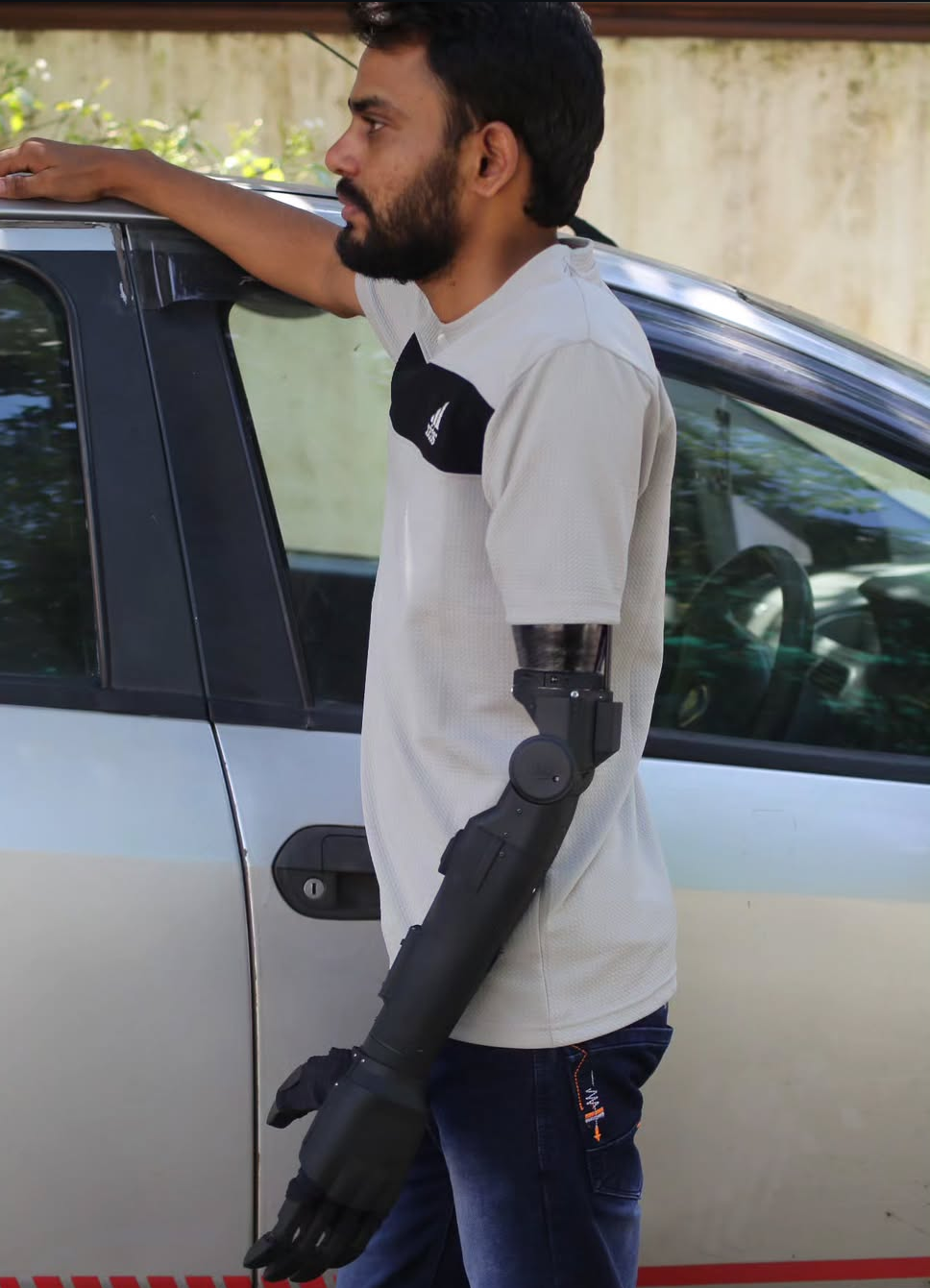
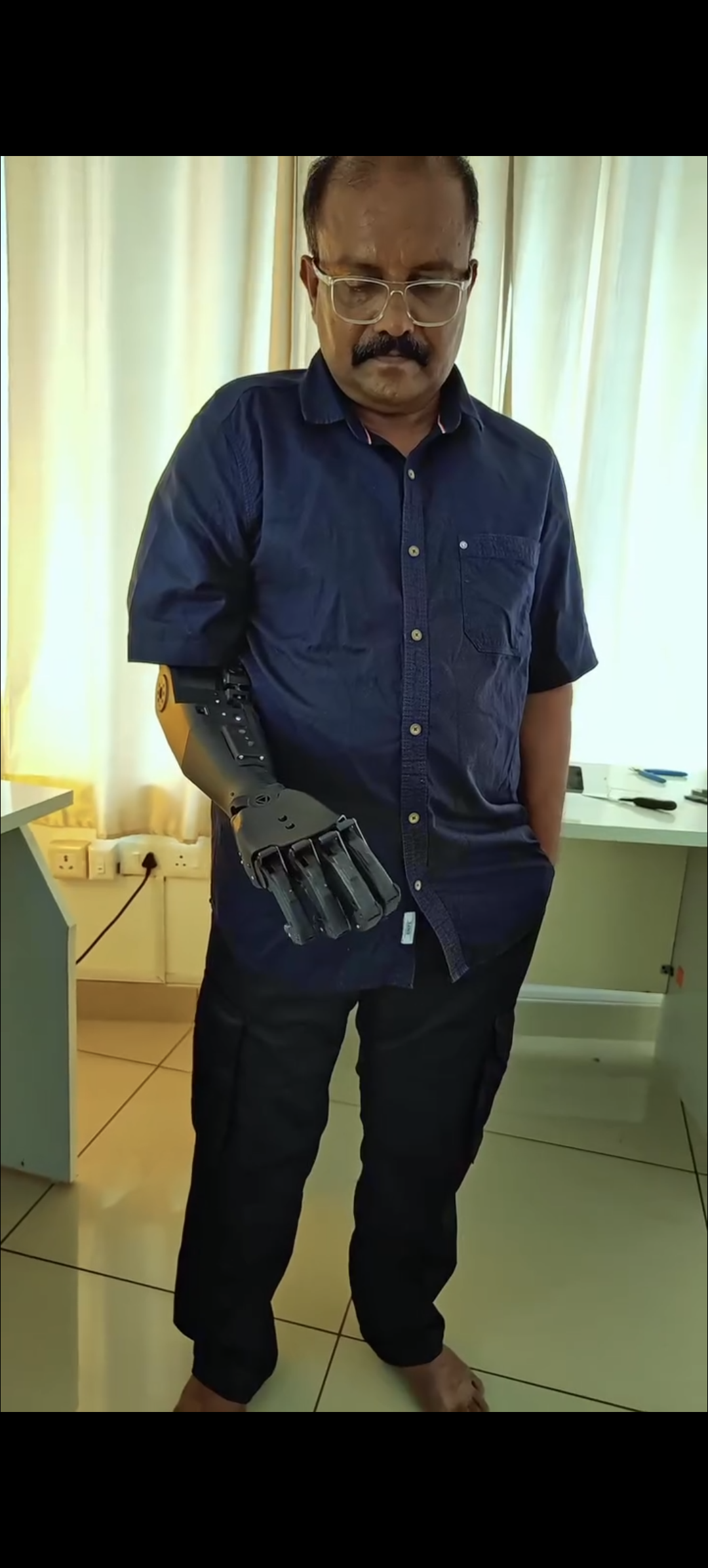
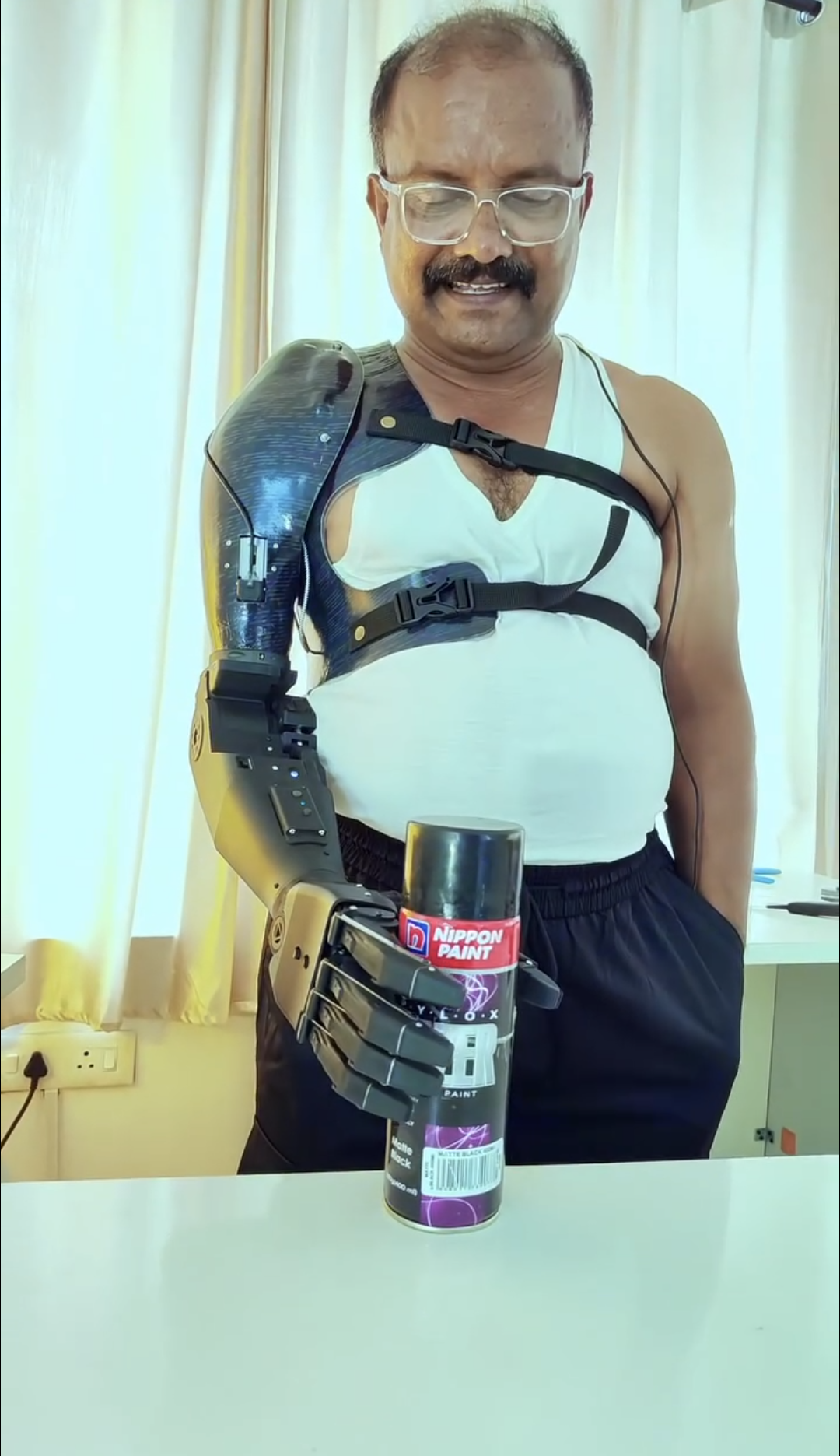
Myoelectric prosthetics detect electrical signals from residual muscles to control limb movement. In 2026, these systems are more responsive and intuitive than ever.
Improved grip strength and dexterity
More natural movement patterns
Reduced learning curve for new users
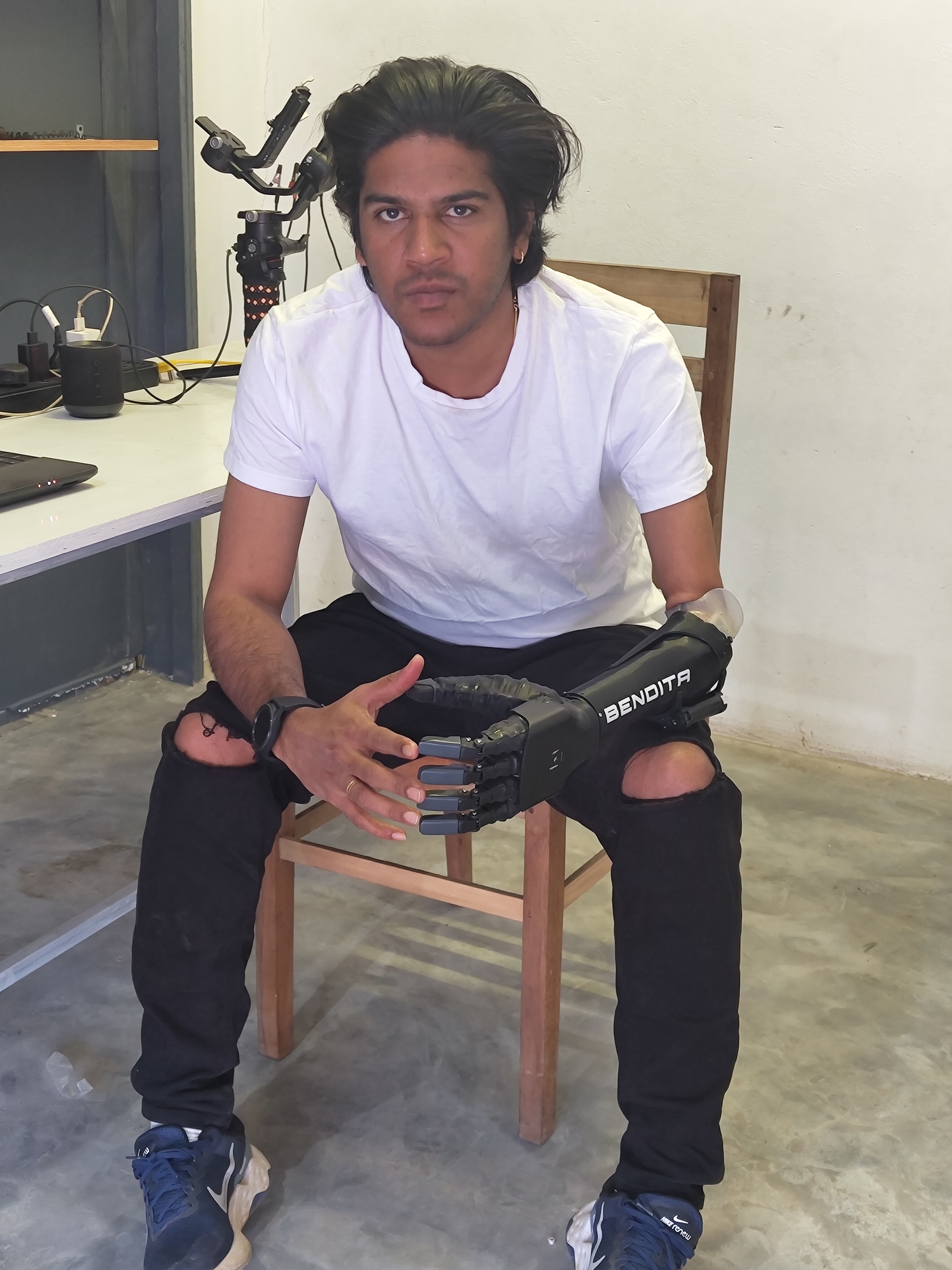
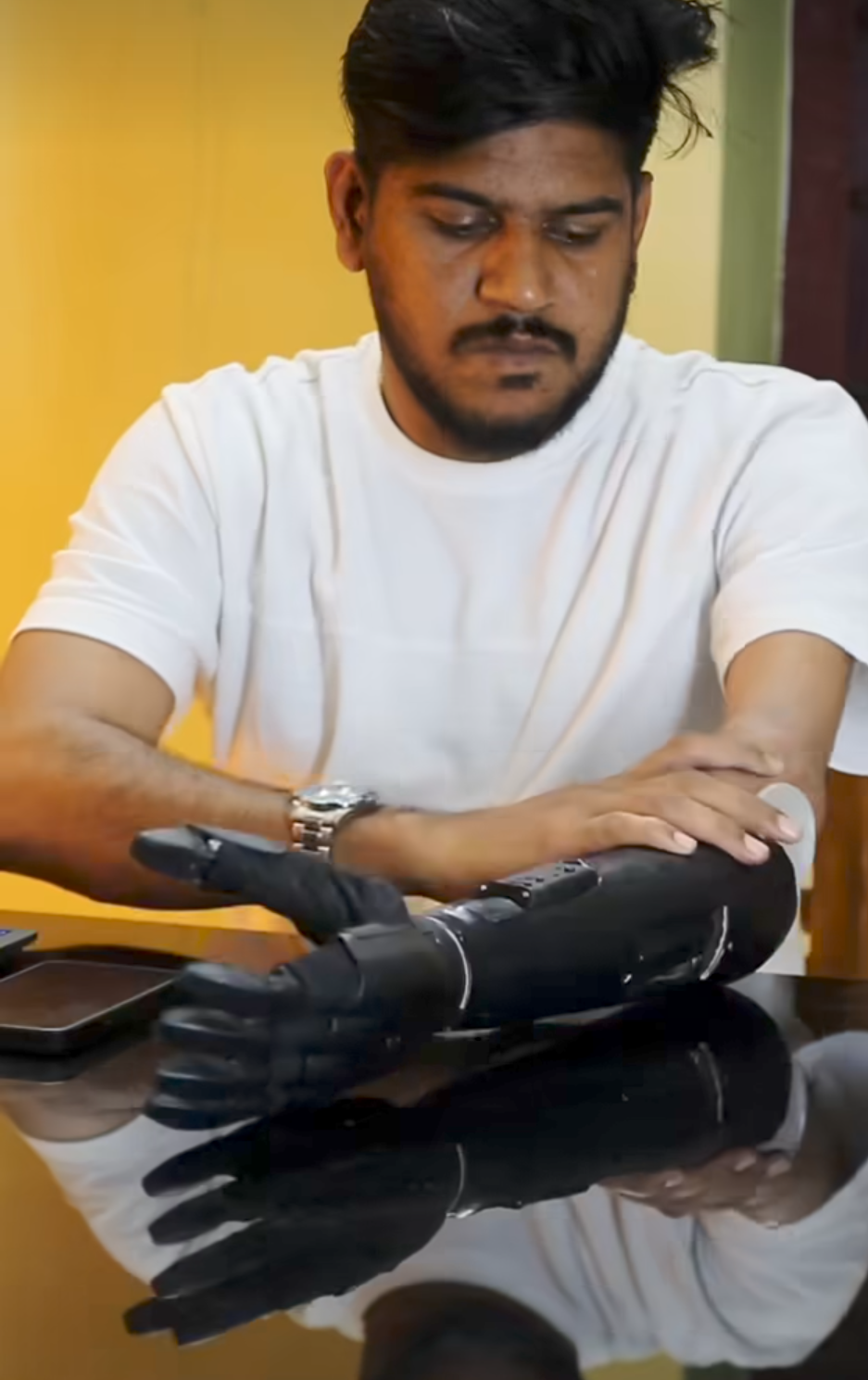
Companies such as Bendita Bionics are pushing this technology further by integrating adaptive algorithms that learn from user behavior over time, improving accuracy with continued use.
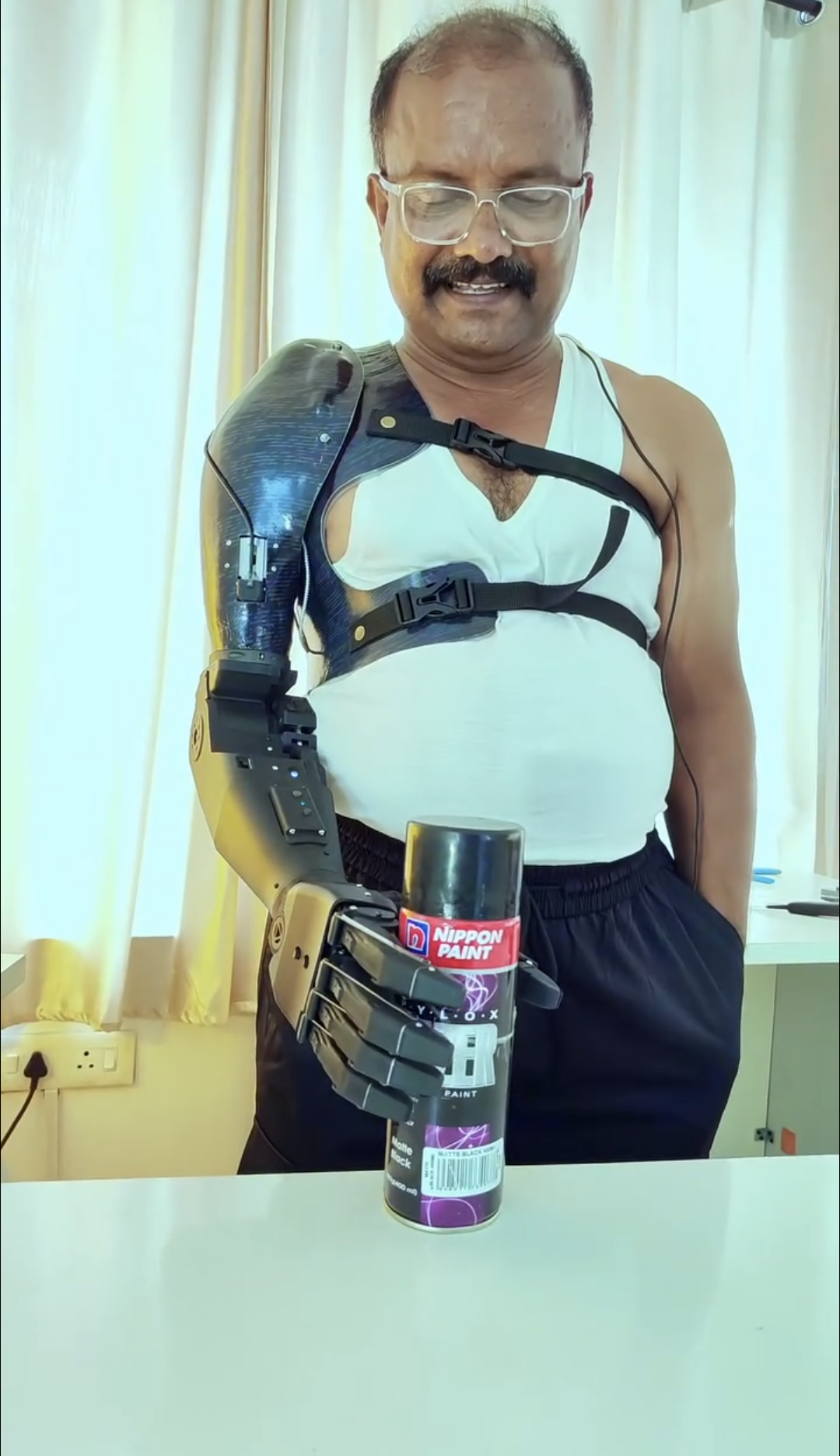
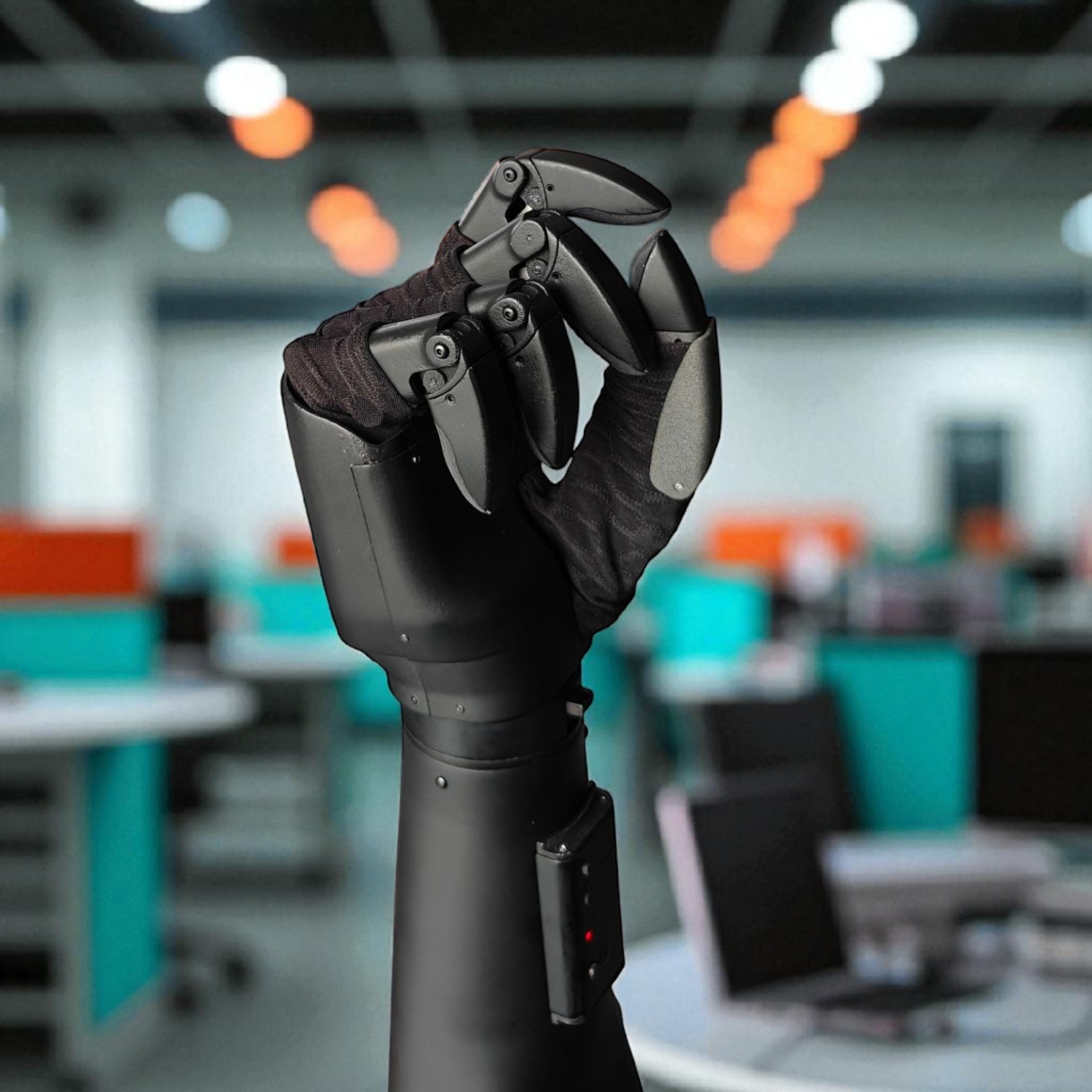
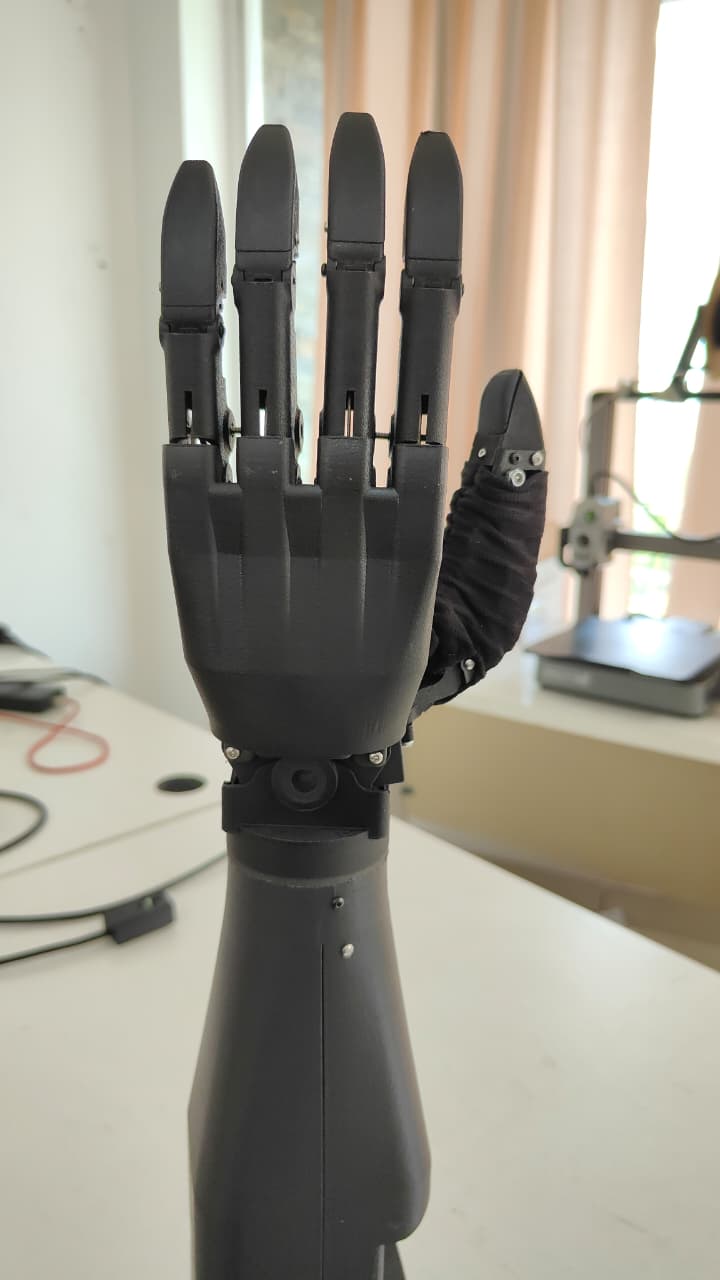
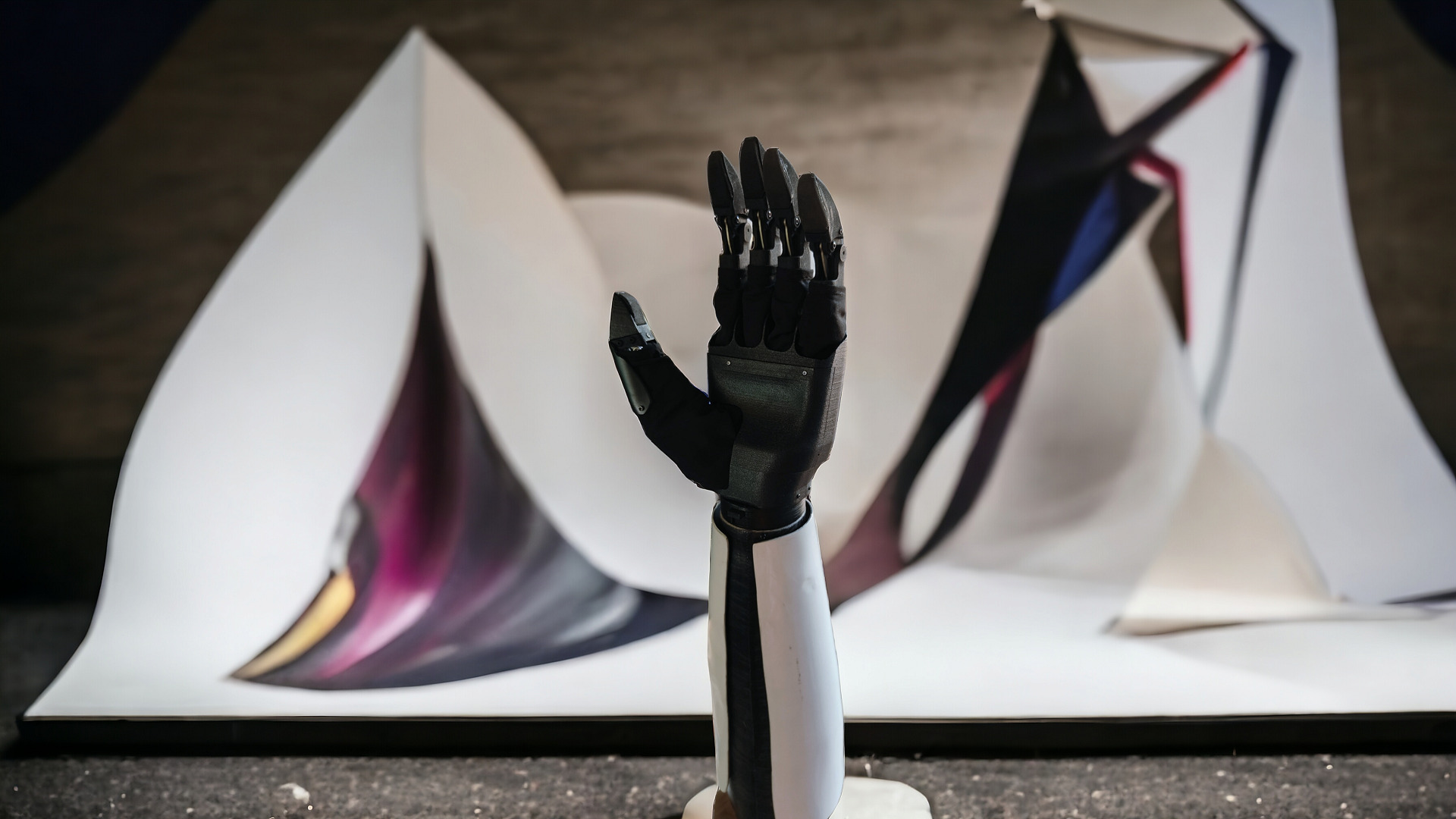
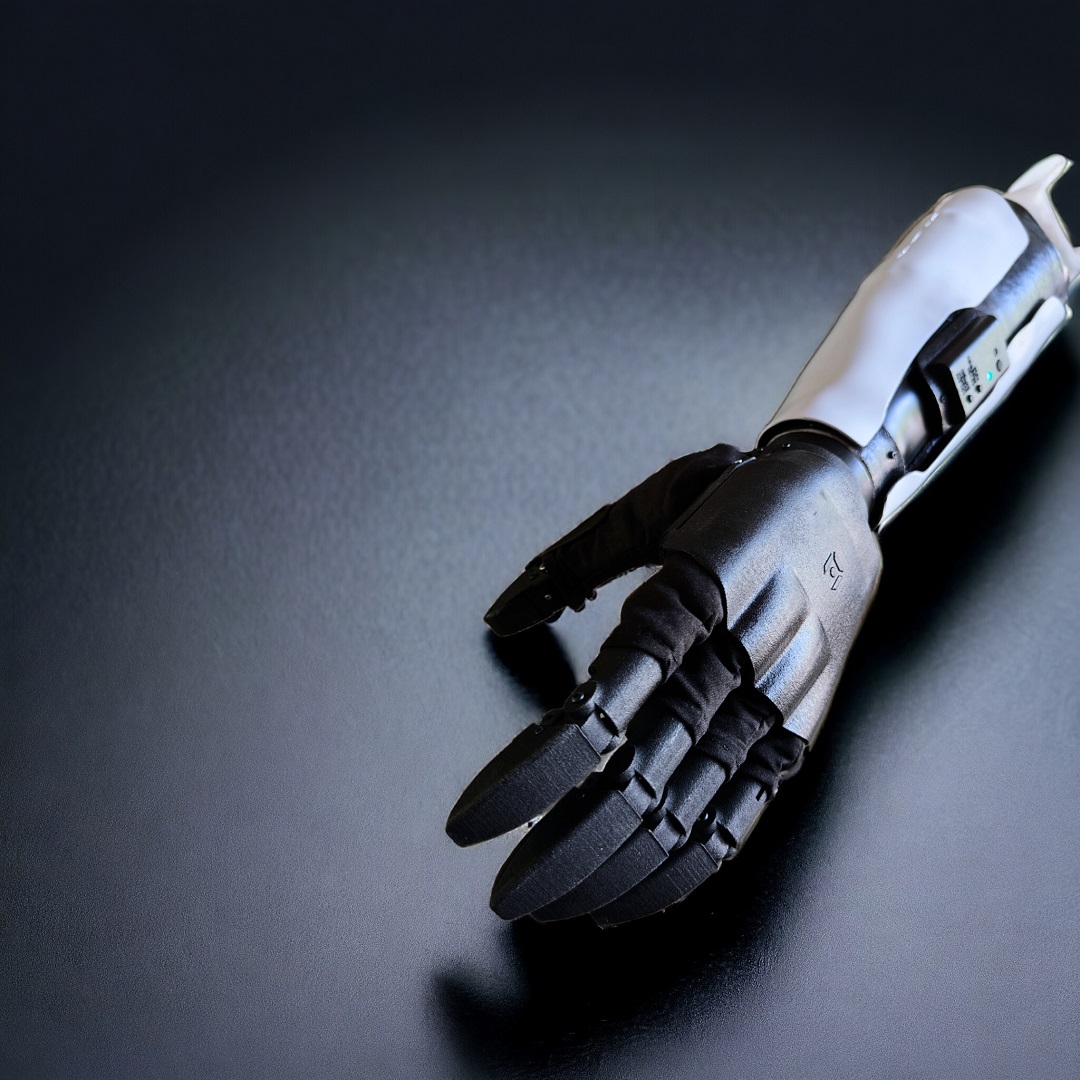
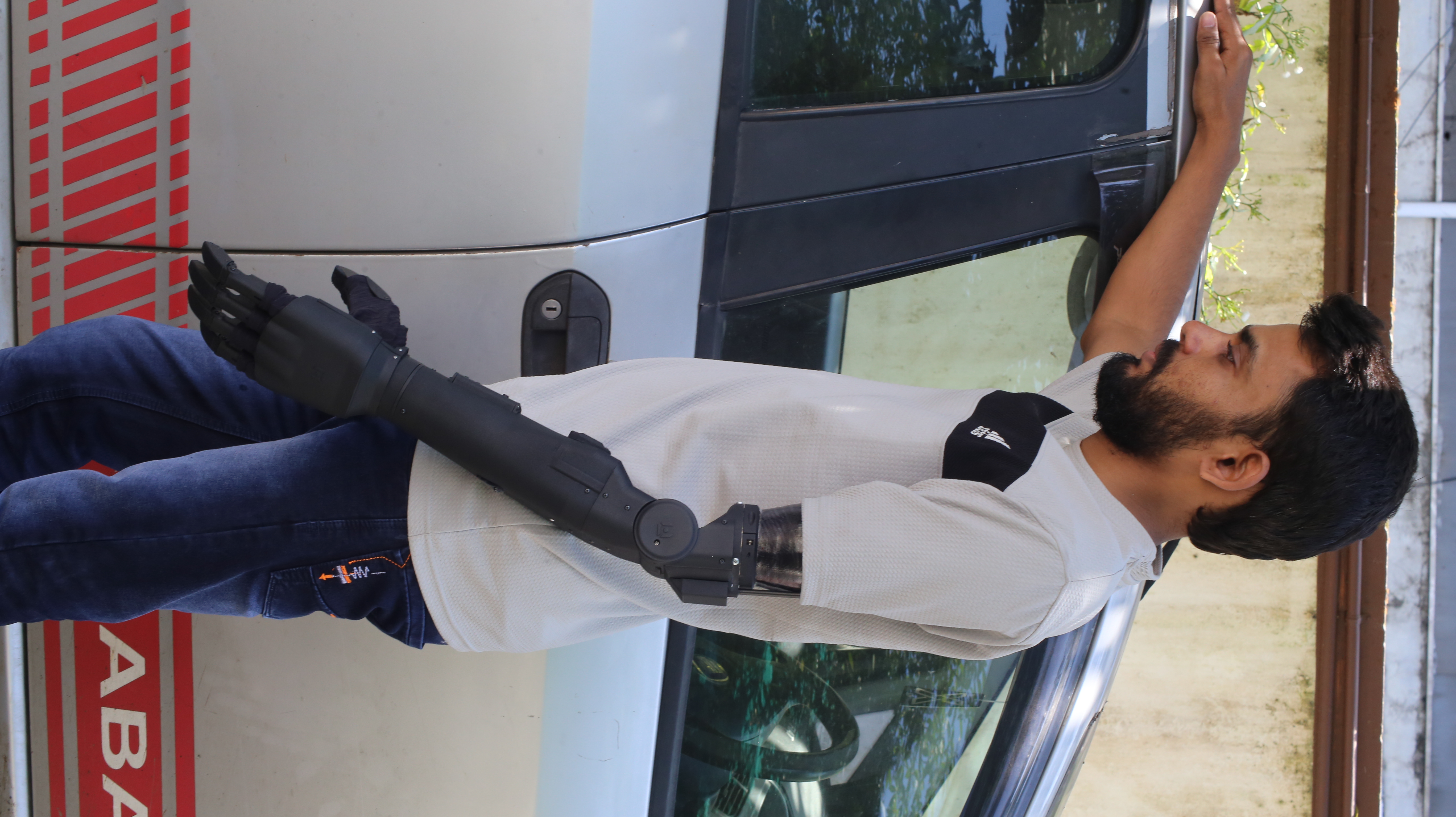
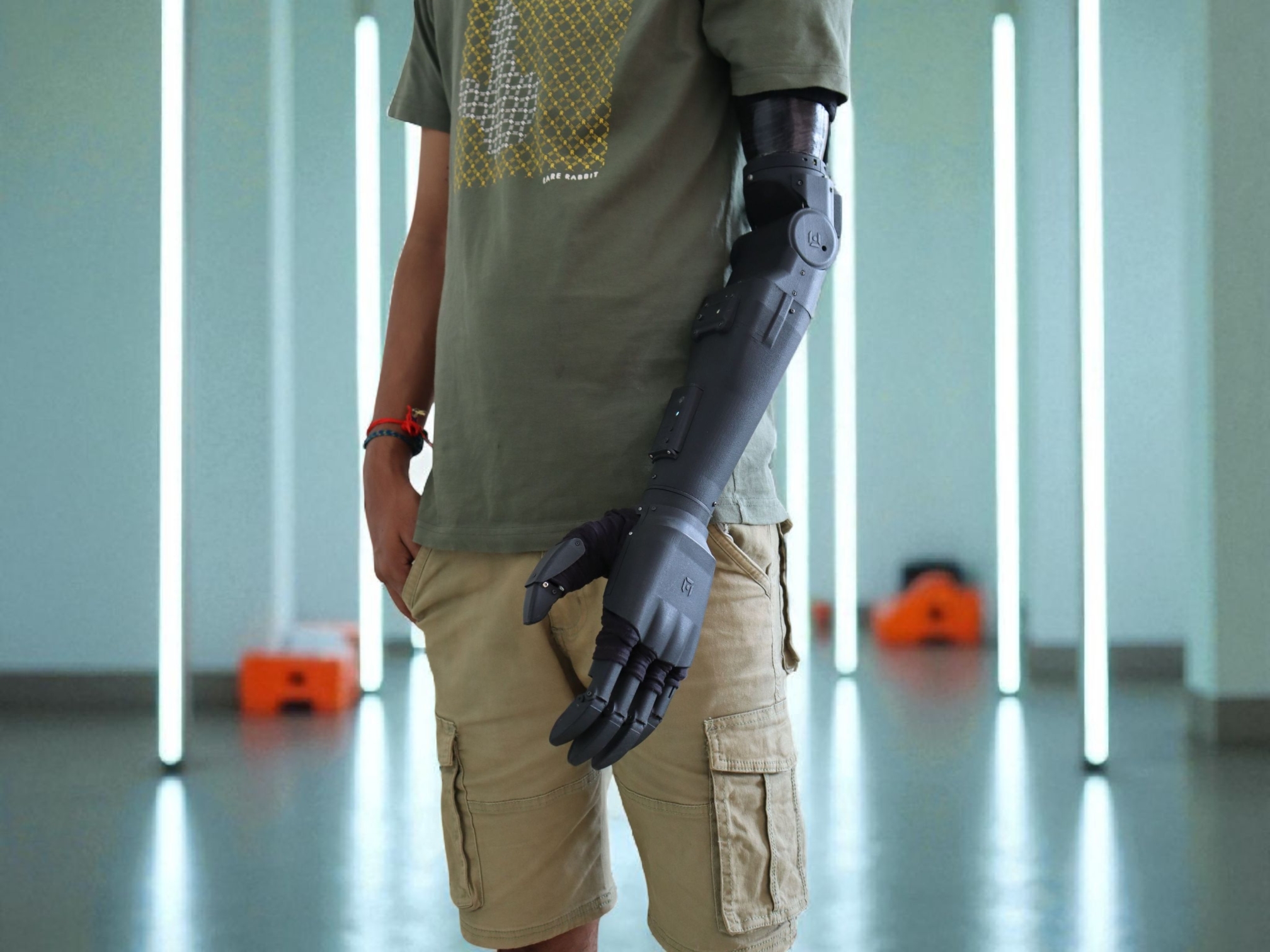
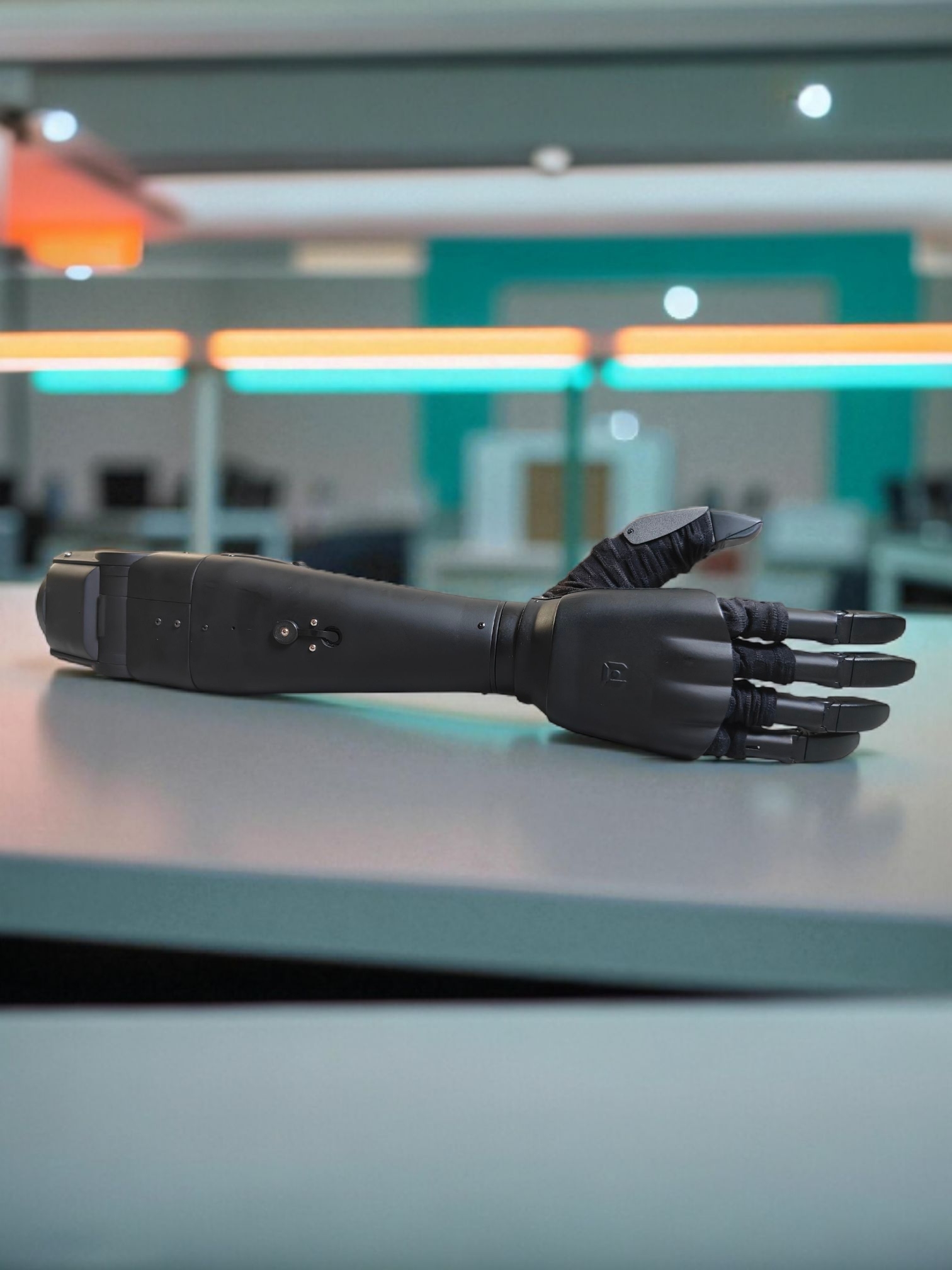
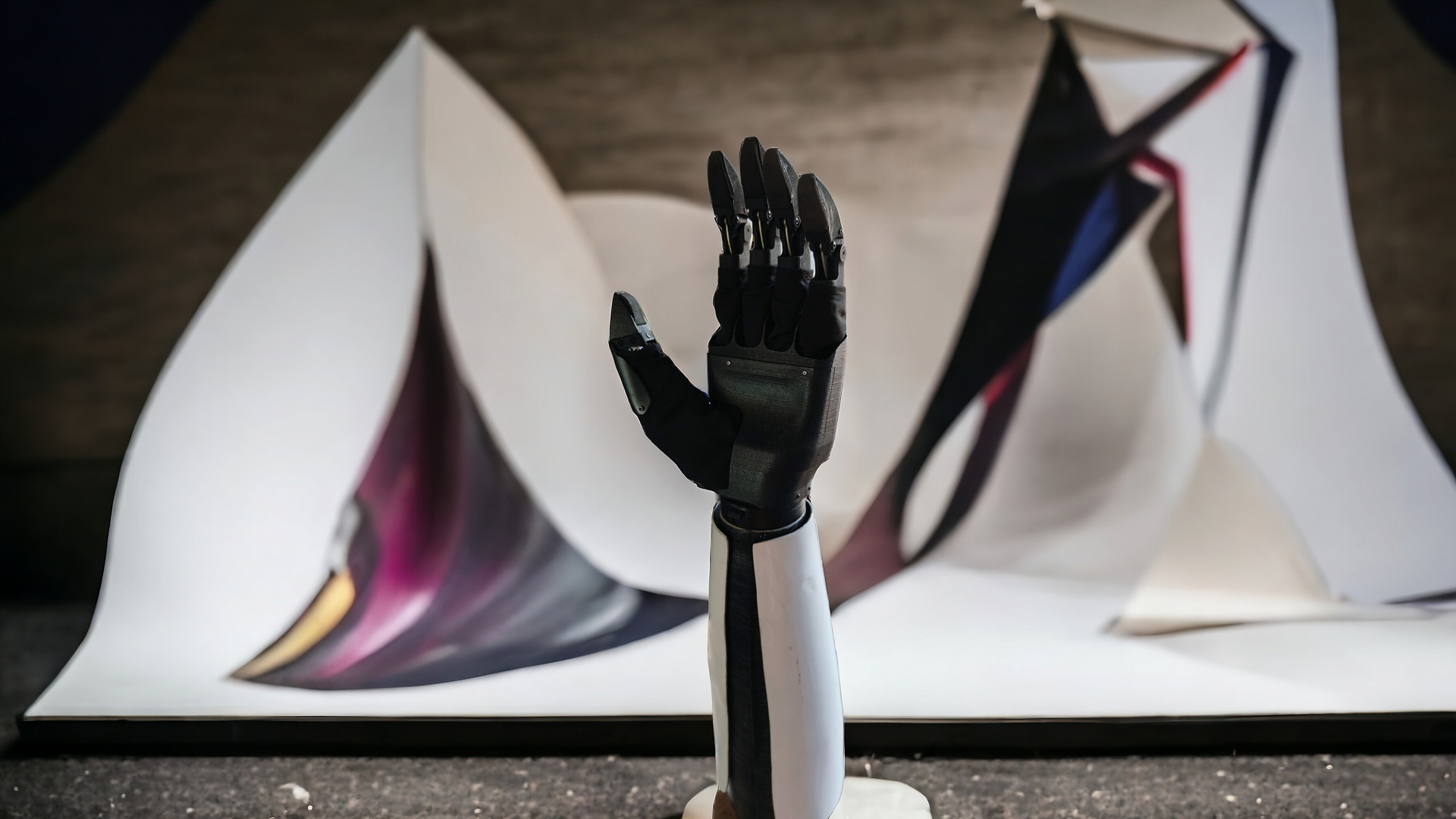
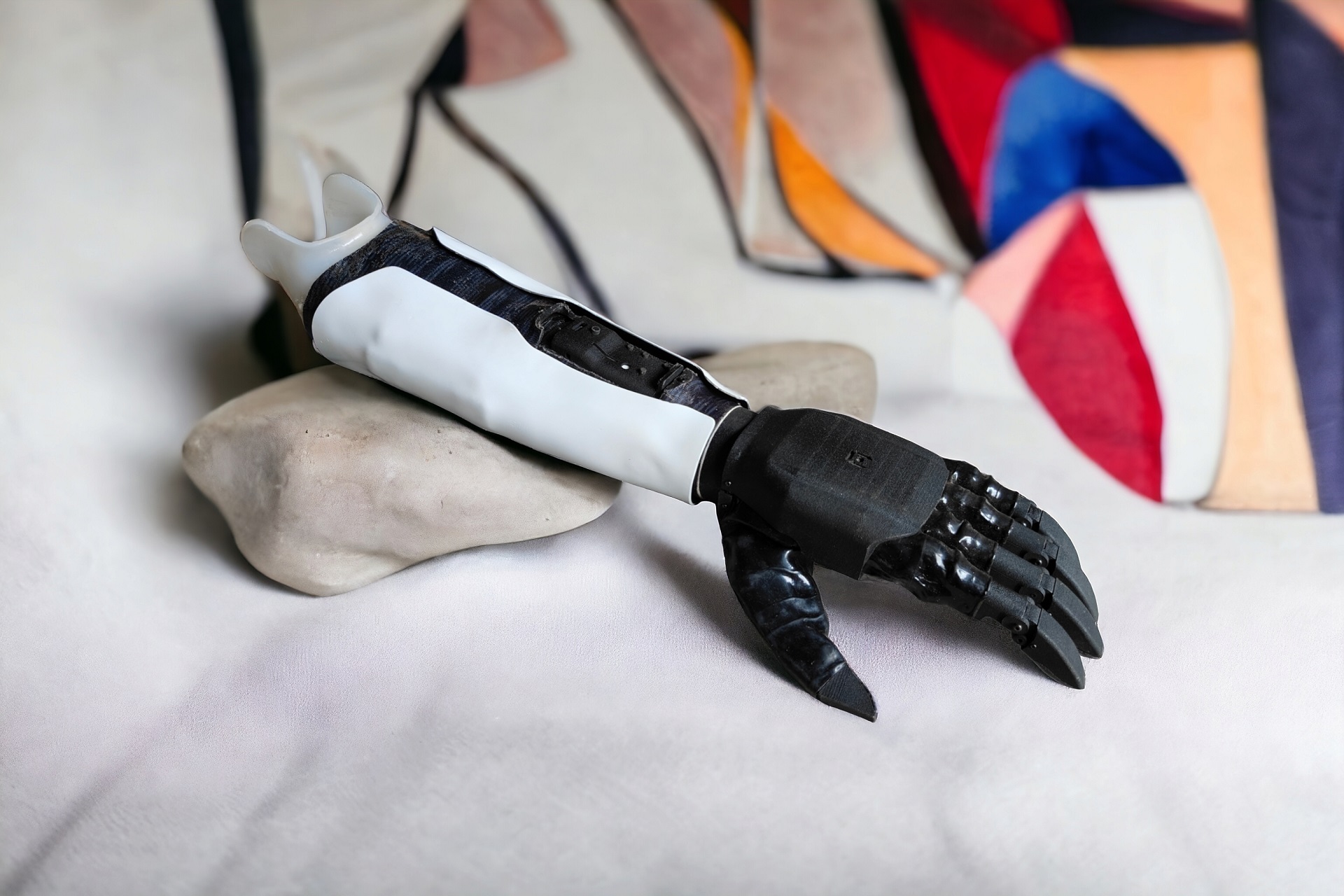
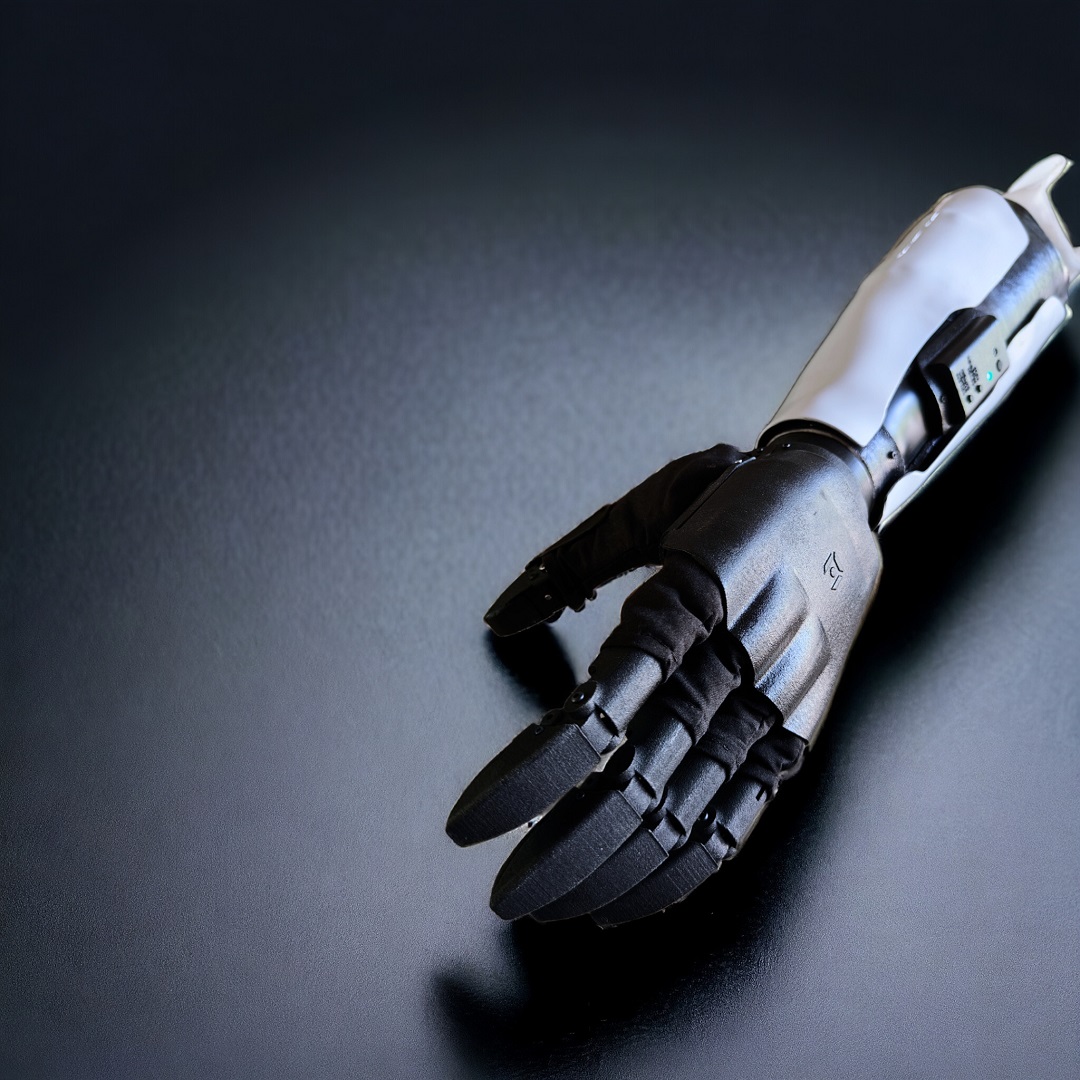
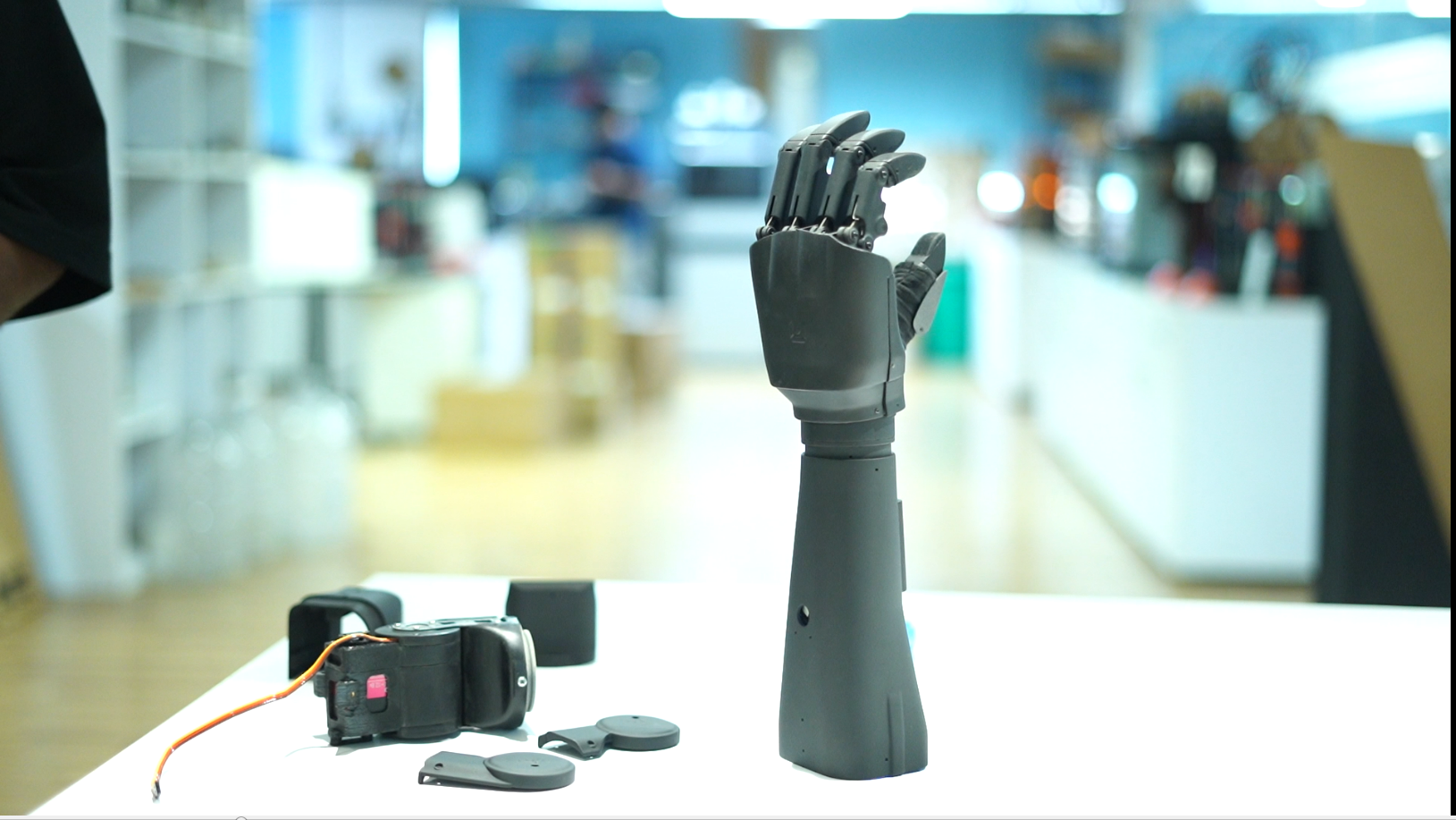
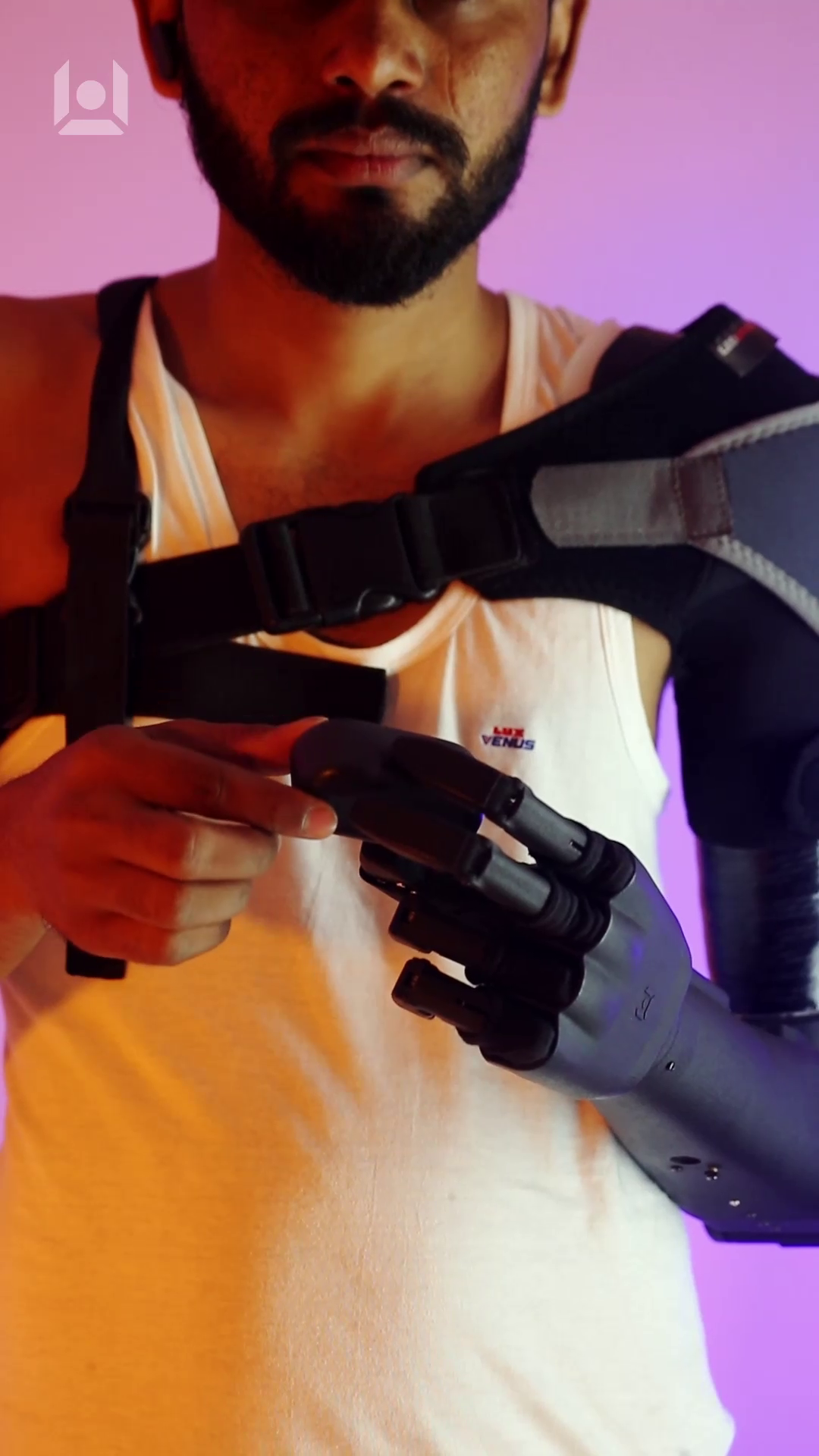
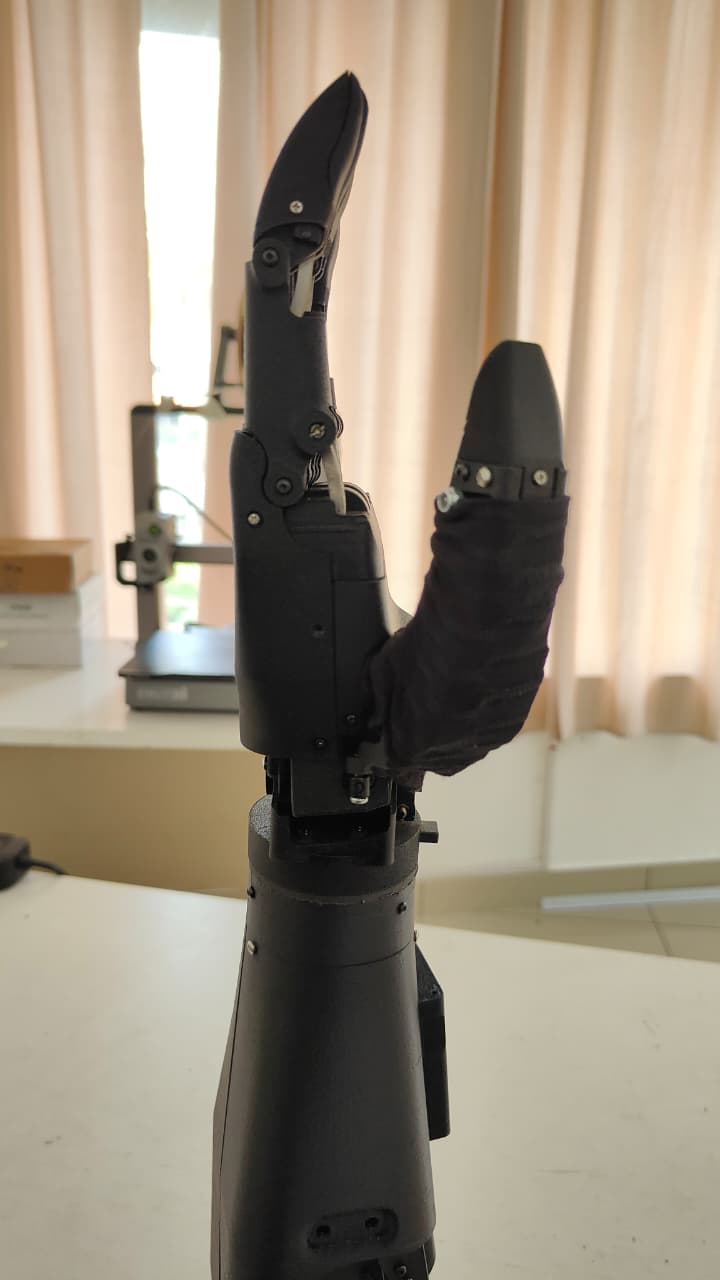
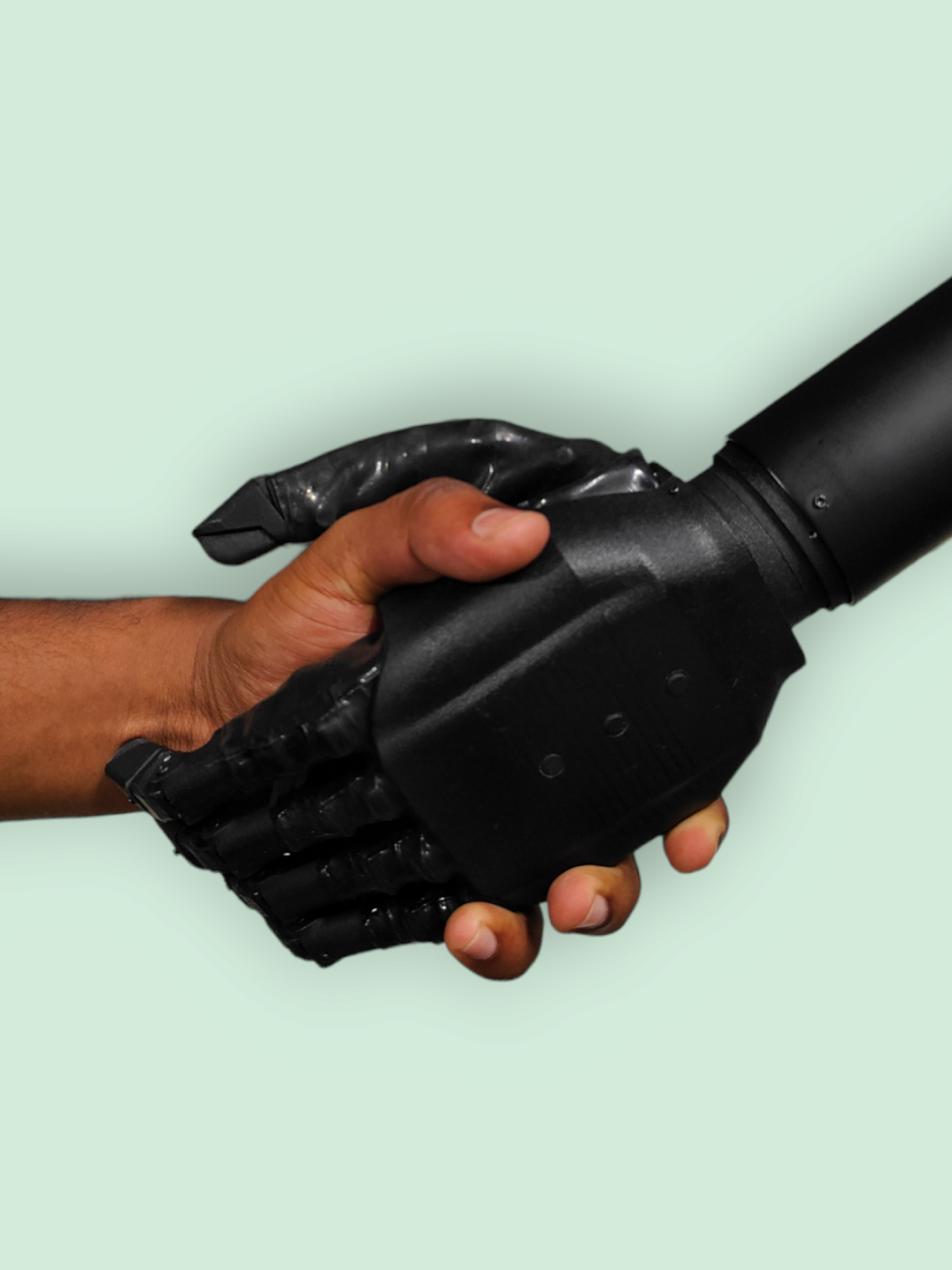
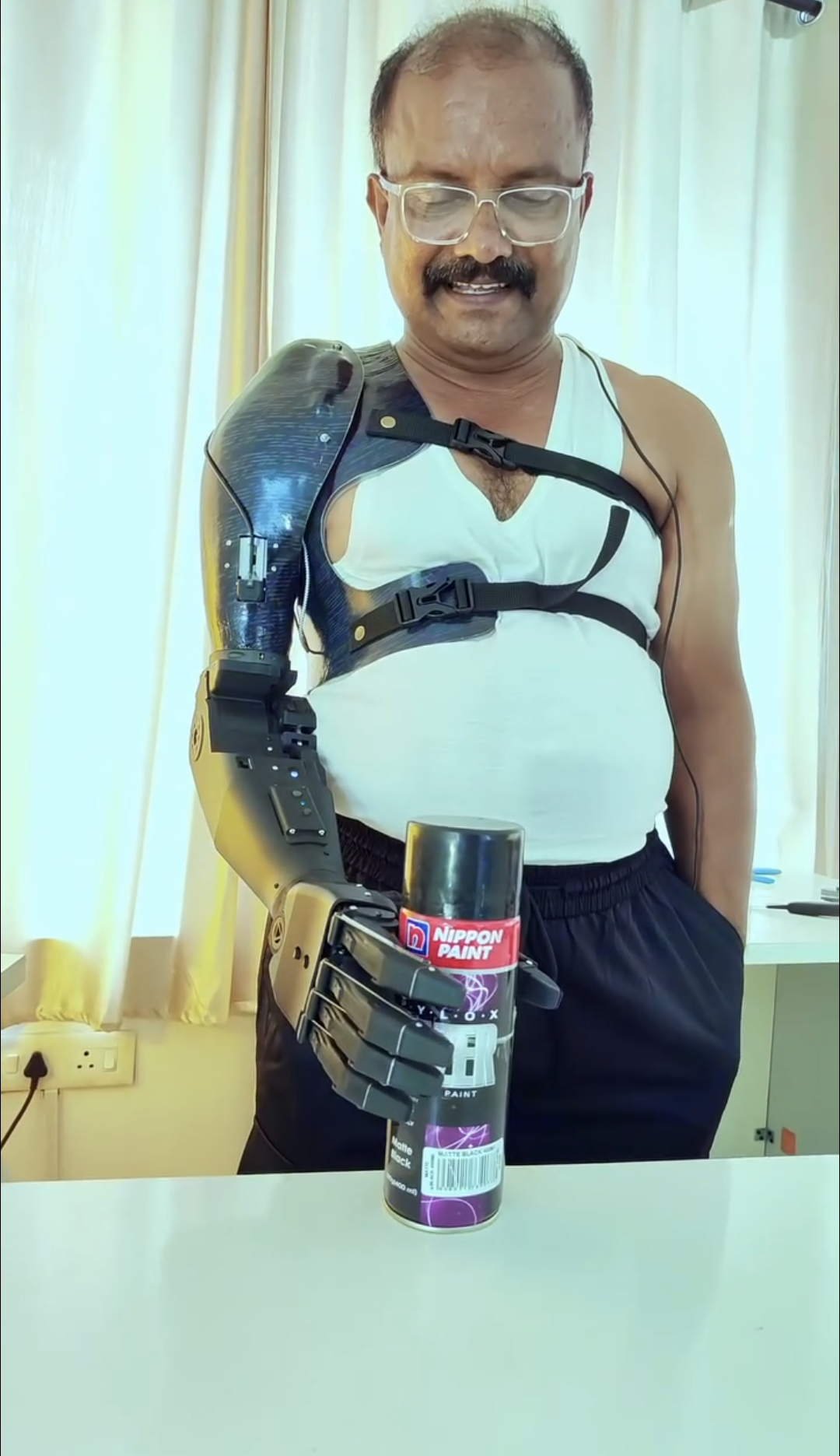
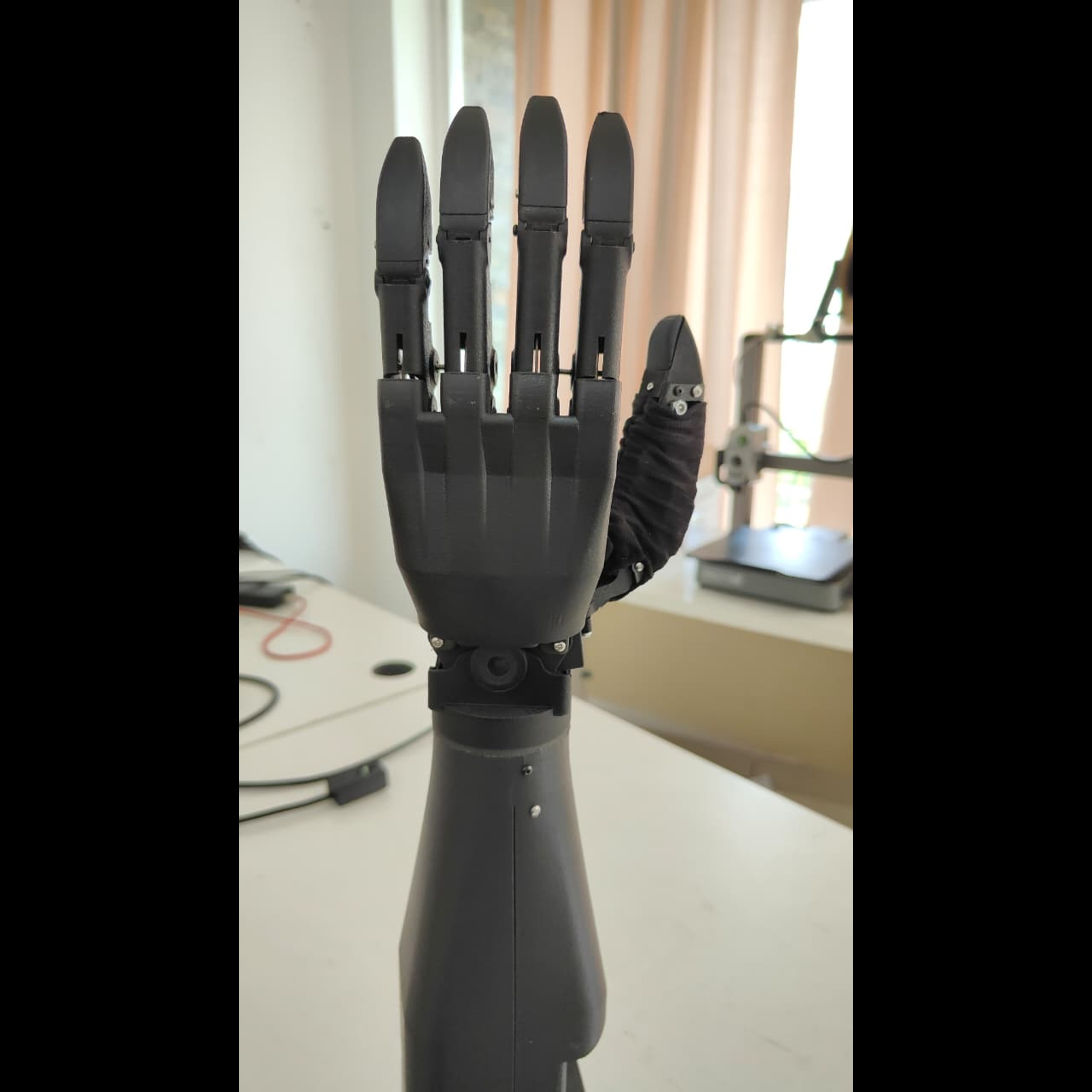
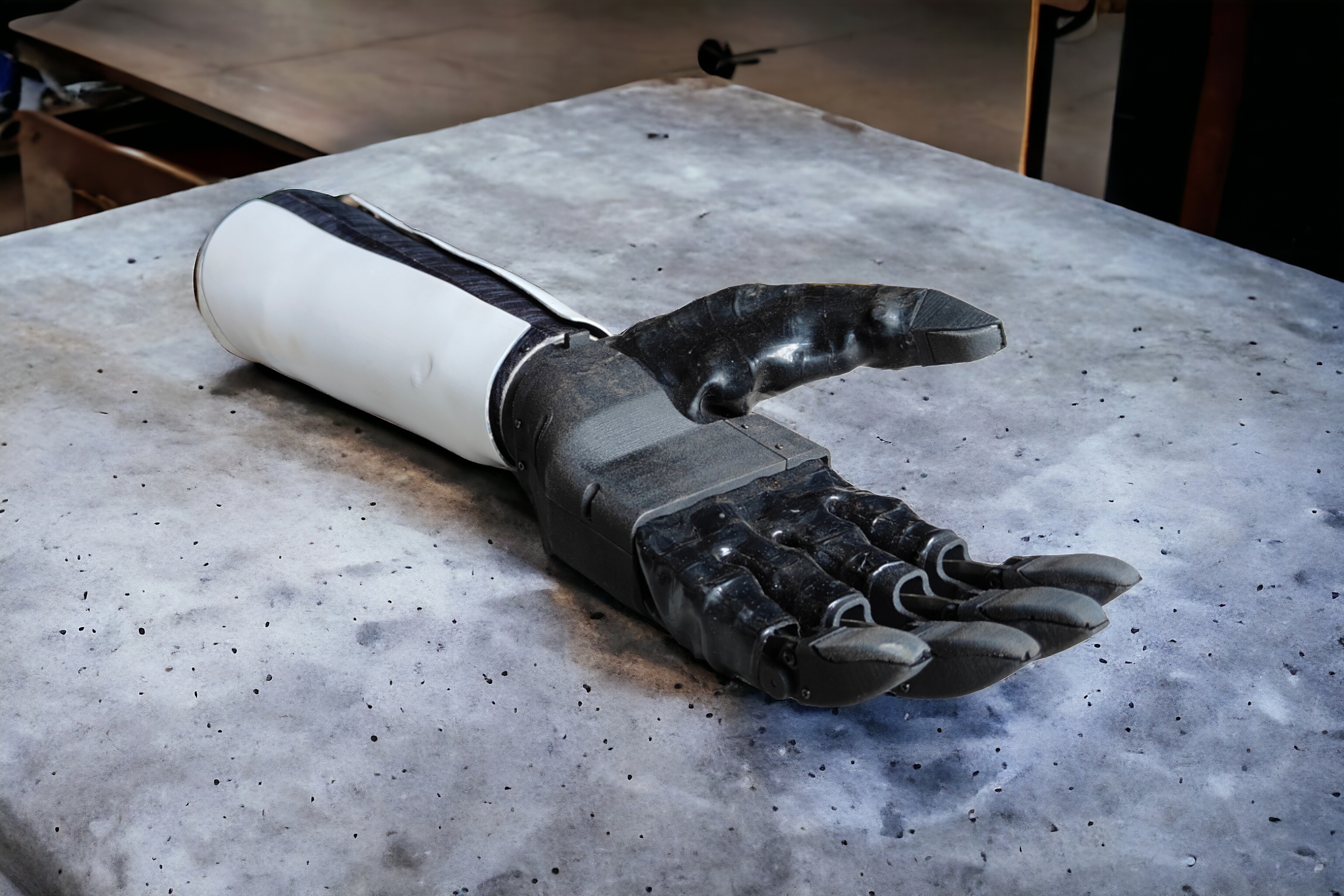
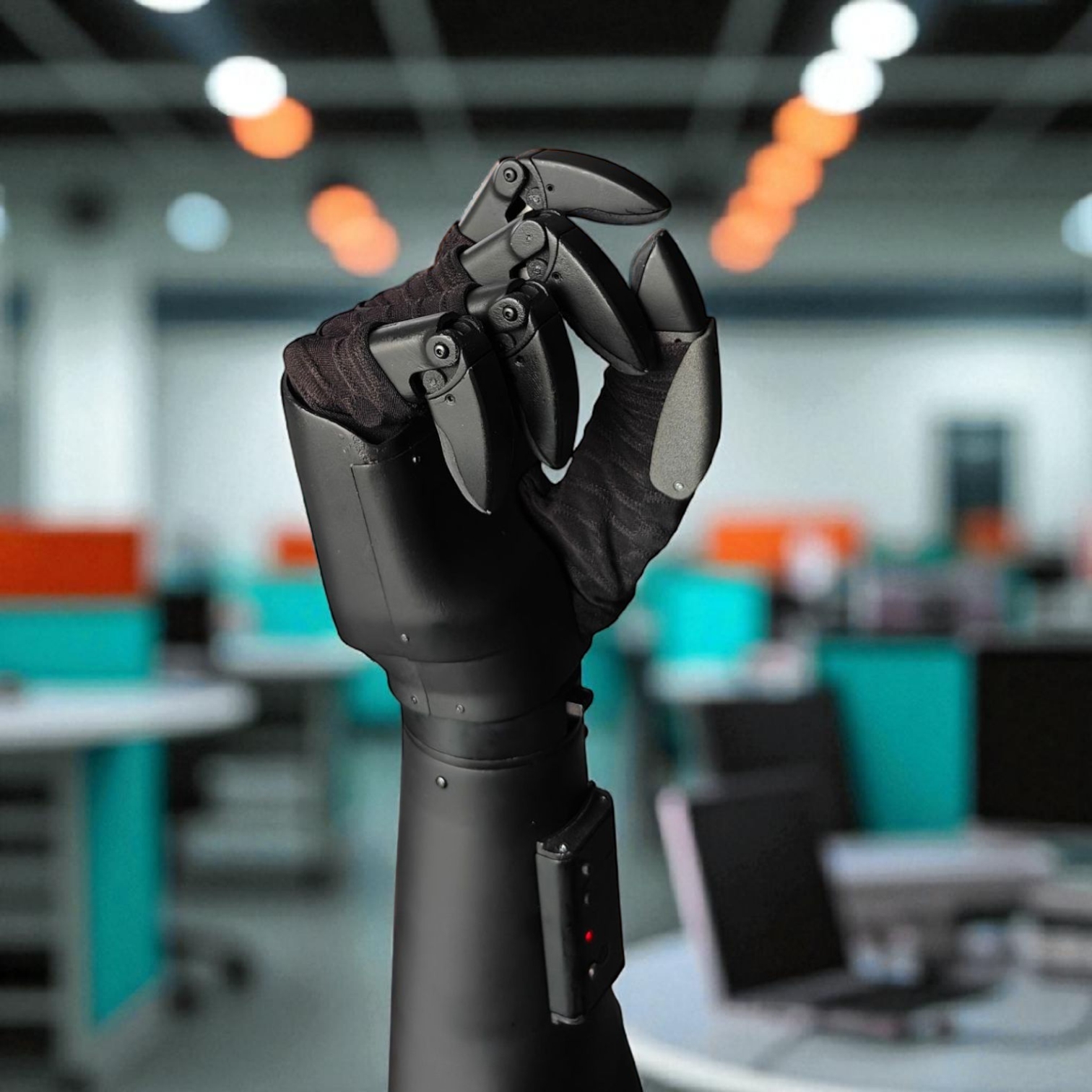
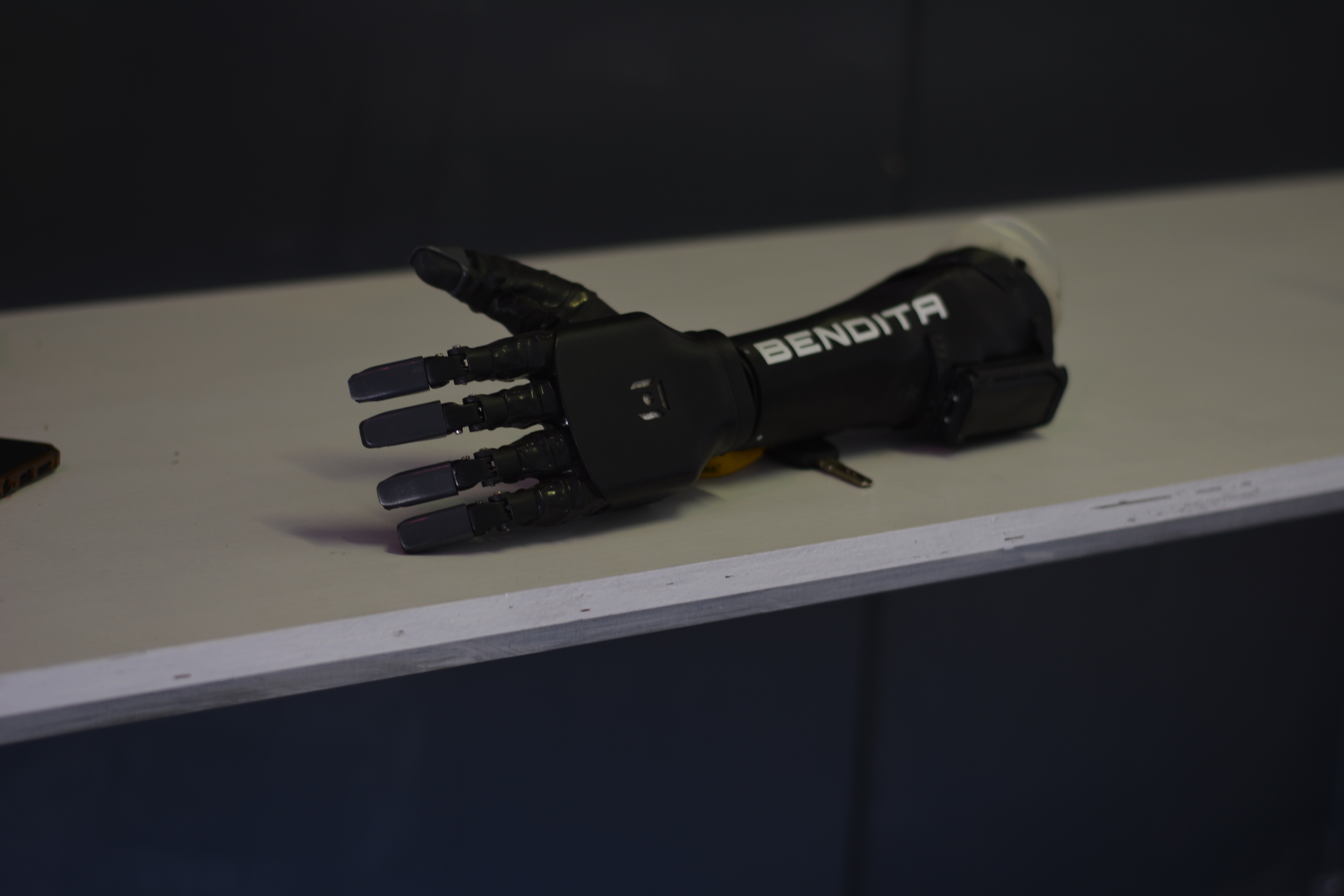
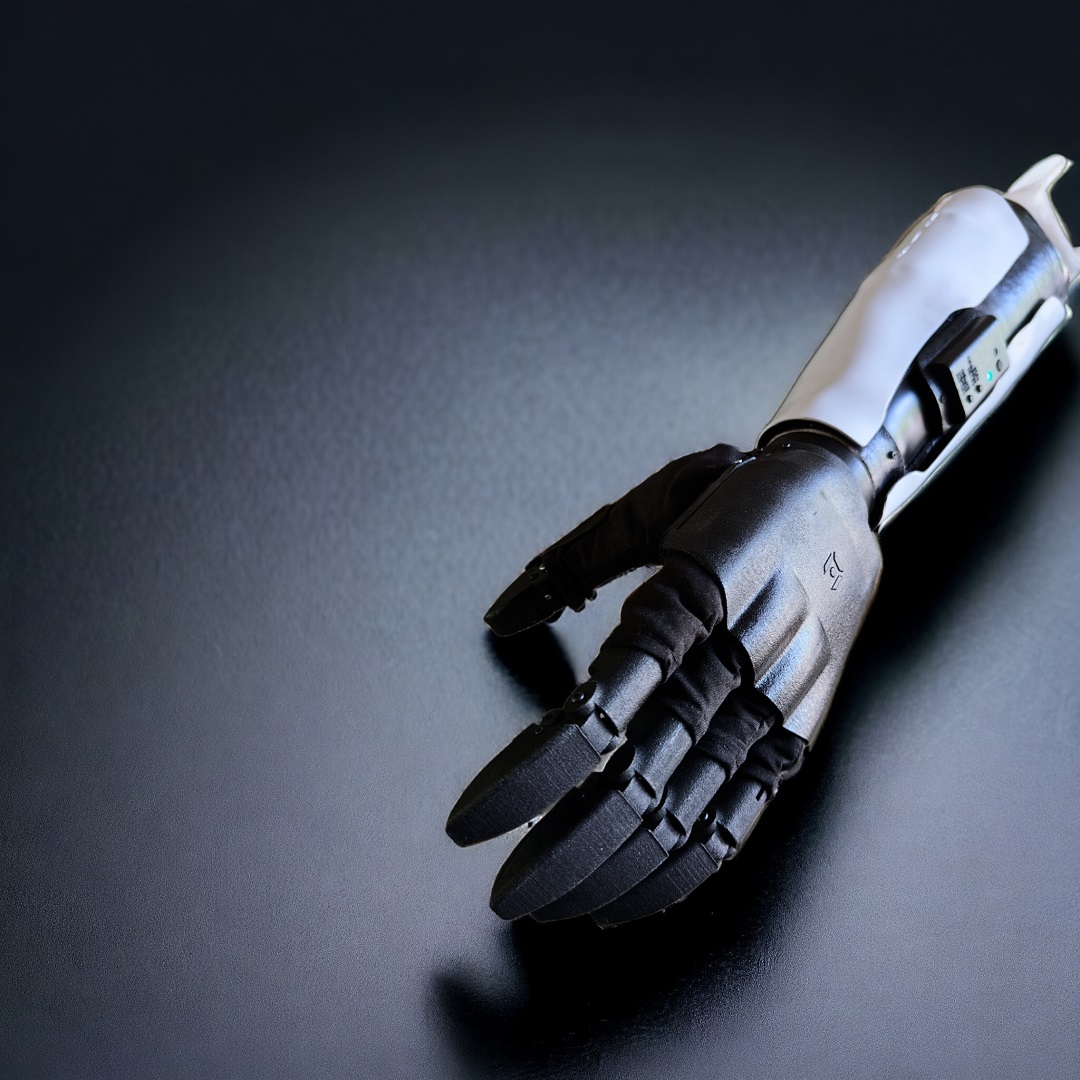
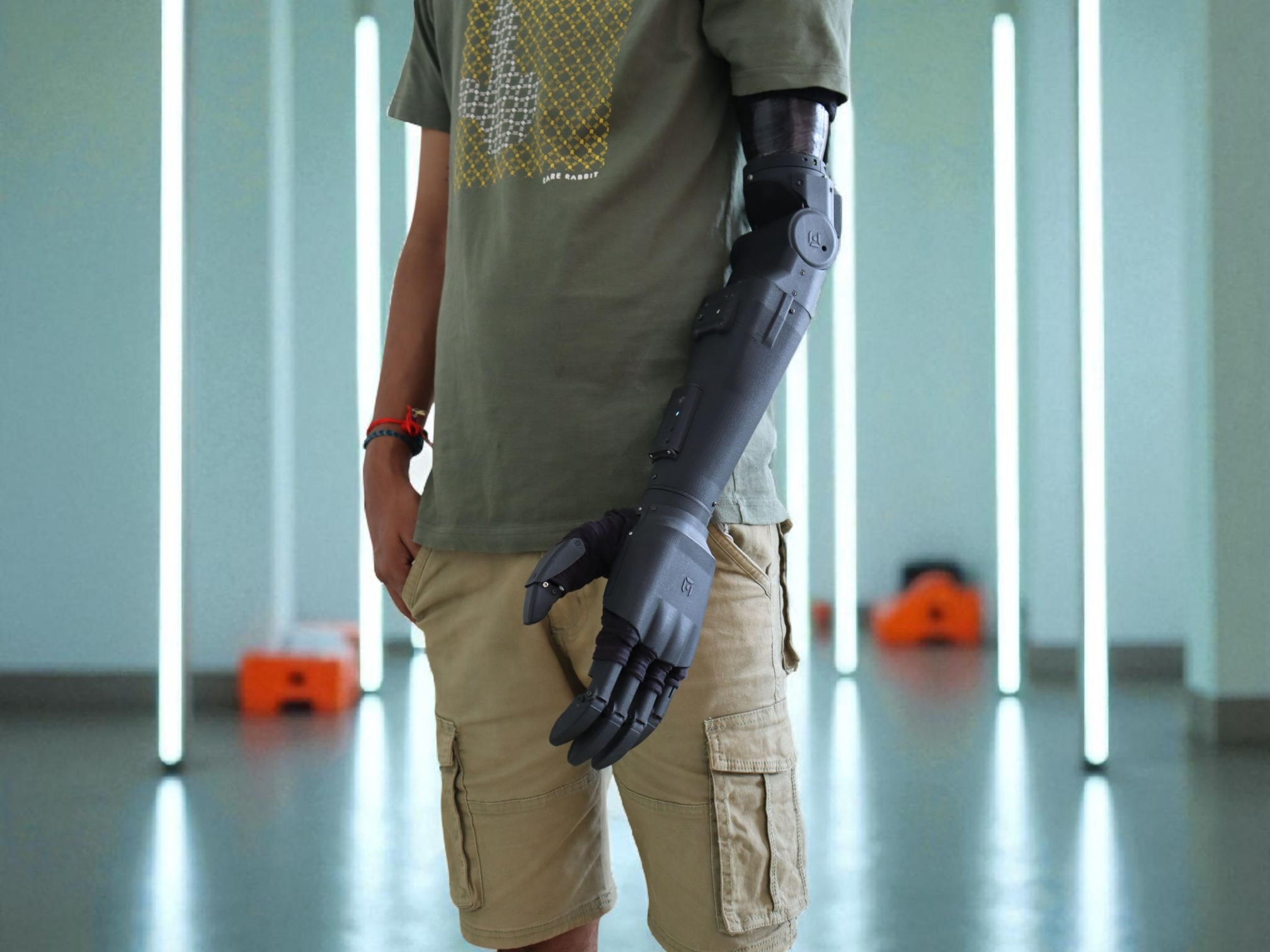
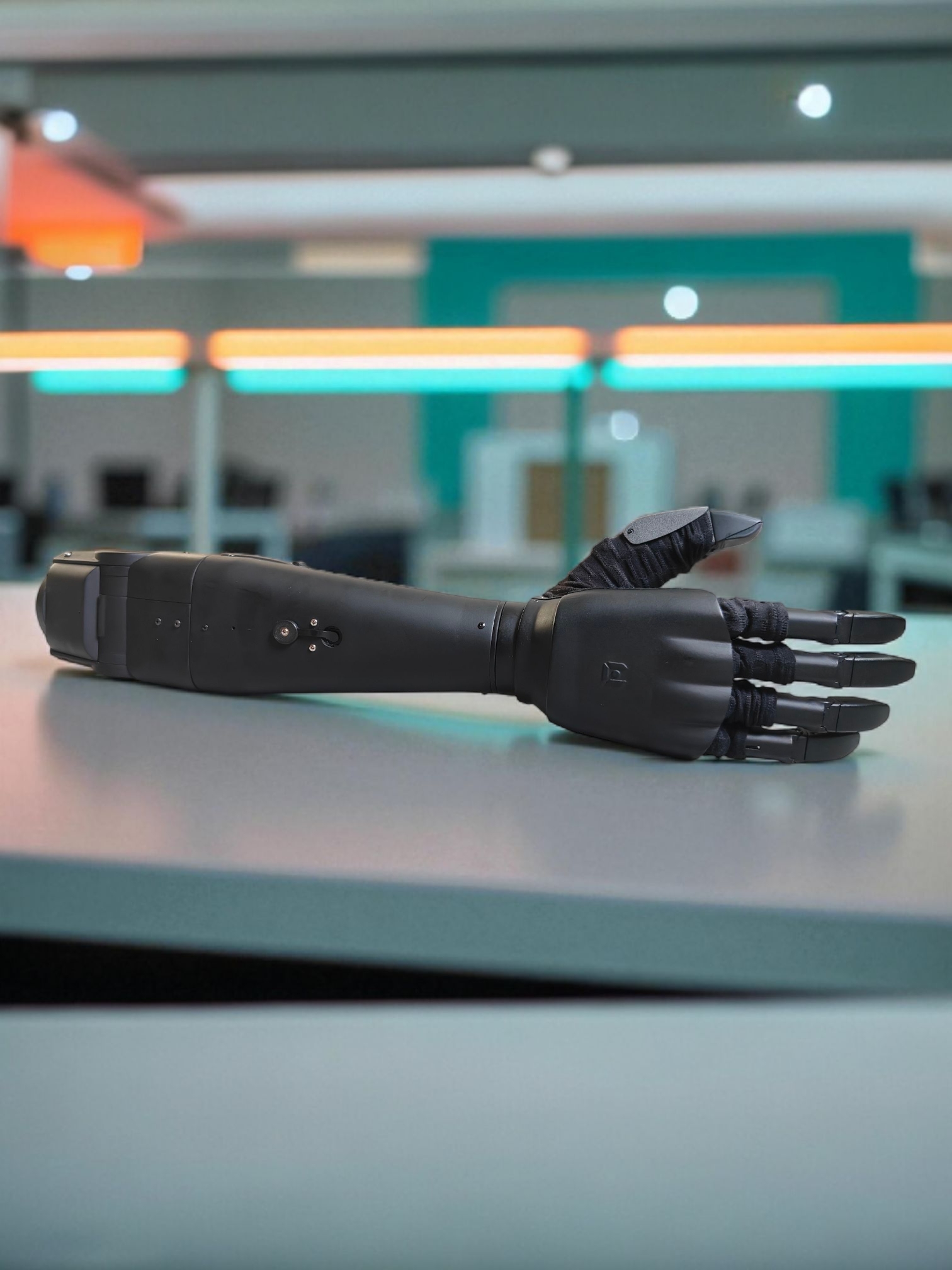
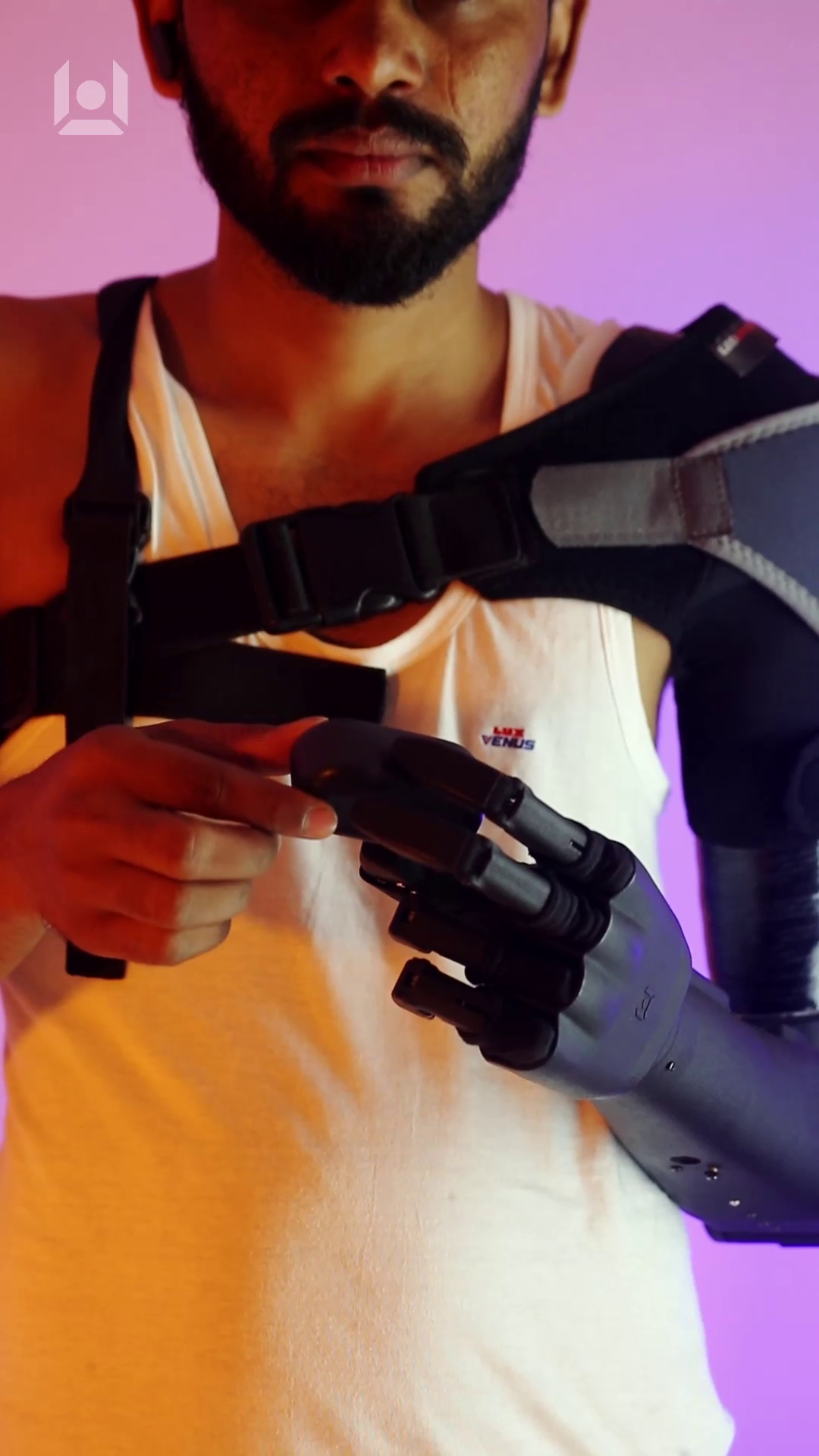
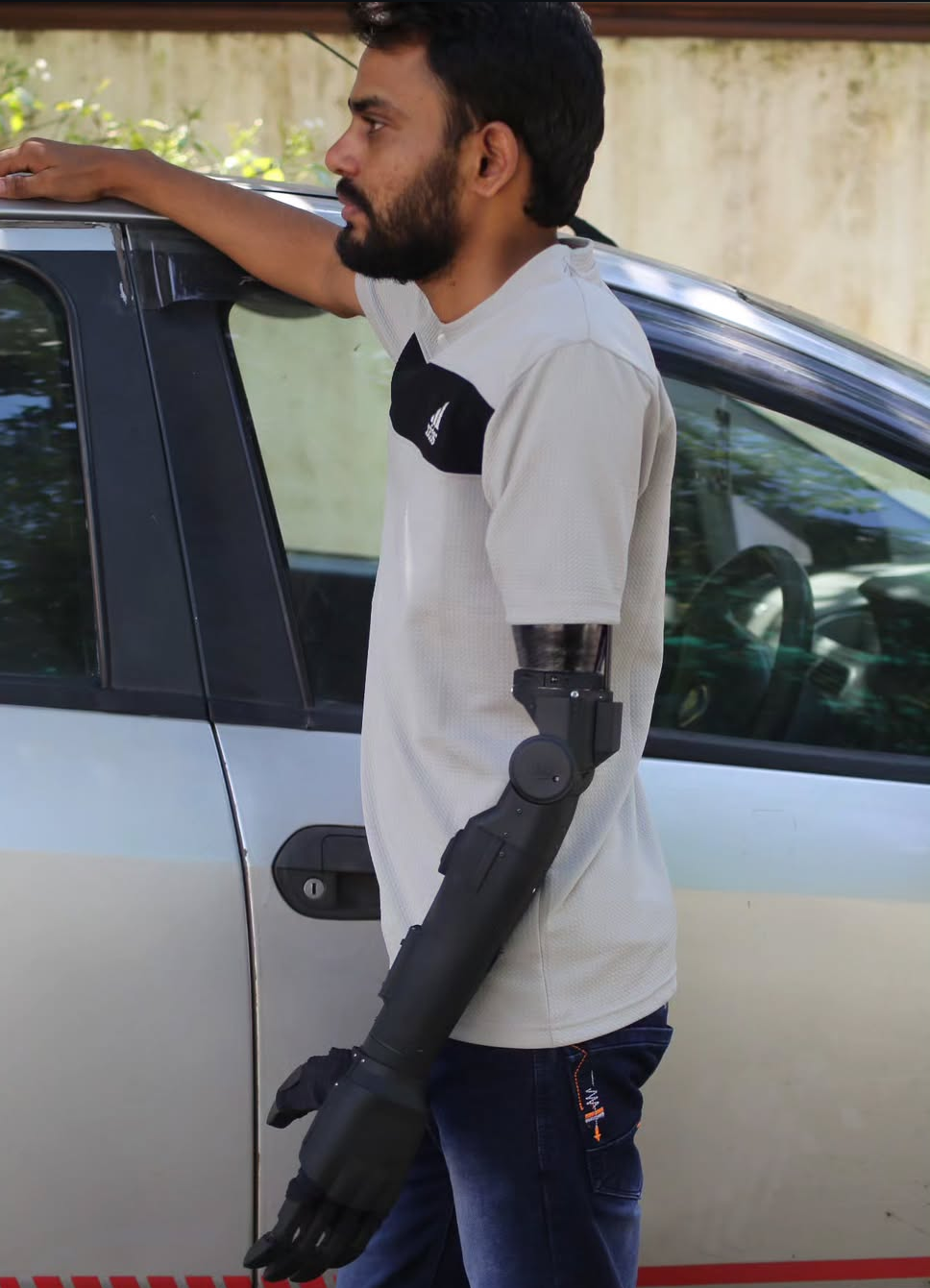
Bionic prosthetics represent the cutting edge of prosthetic technology. These devices combine AI, robotics, and biomechanics to create limbs that function almost like natural arms or legs.
Real-time motion adjustment
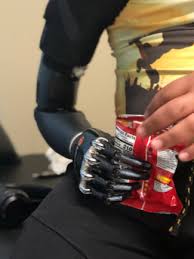
Multi-grip hand patterns
Balance and gait optimization
Smart feedback systems
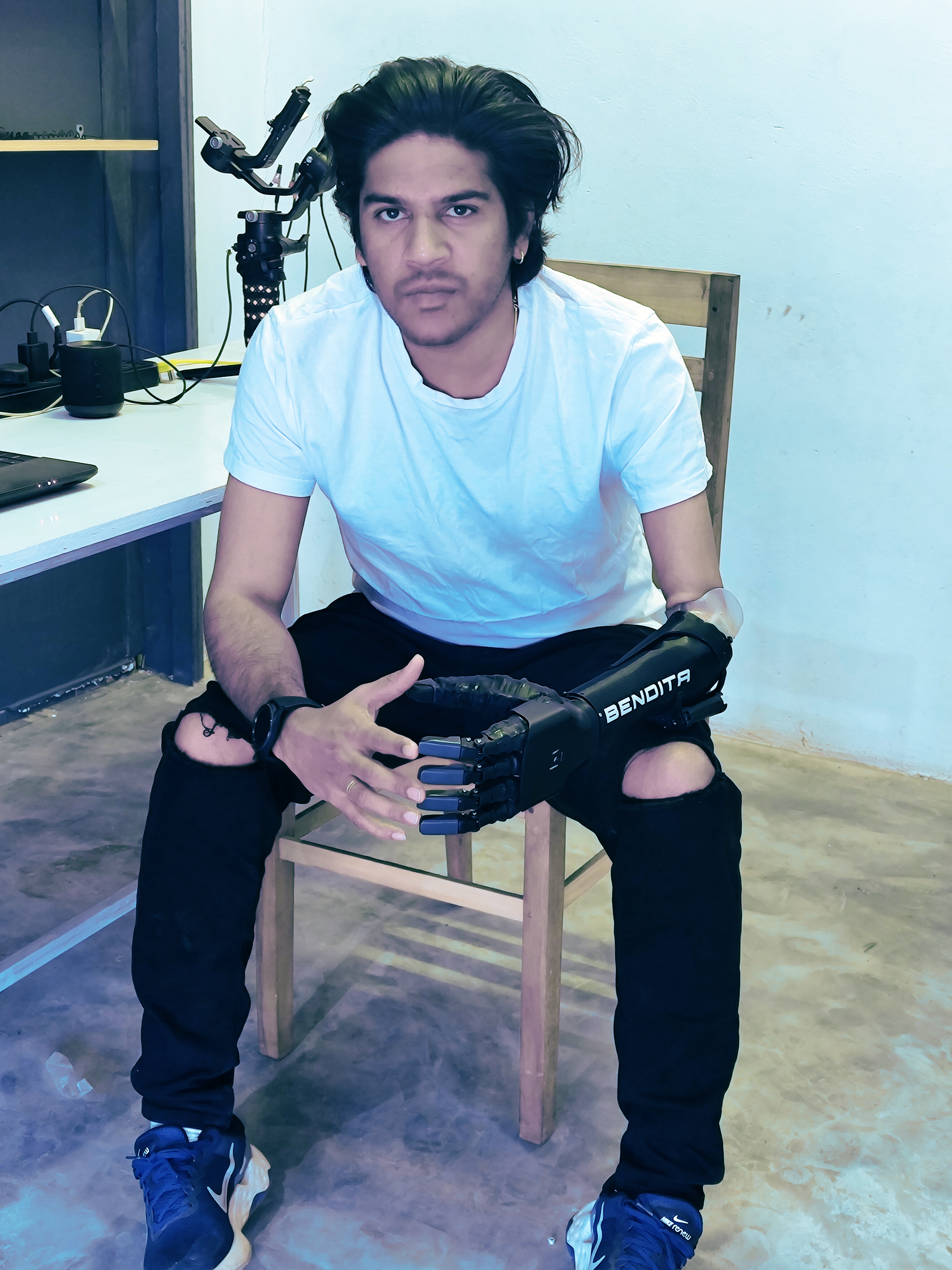
Leading innovators like Bendita Bionics focus on developing bionic solutions that balance advanced engineering with real-world usability, making high-performance prosthetics accessible and practical for everyday life.
One of the most exciting breakthroughs in 2026 is sensory feedback technology. Modern prosthetics can now relay sensations such as pressure, grip force, and texture back to the user.
This is achieved through:
Neural interfaces
Haptic feedback systems
Sensor-embedded prosthetic skins
These innovations significantly improve user confidence and reduce cognitive load during movement, helping prosthetic users perform complex tasks more naturally.
Artificial intelligence plays a major role in modern prosthetic systems.
Predict user movement intentions
Adapt to walking surfaces automatically
Optimize grip strength for different objects
Improve performance over time
Forward-thinking prosthetics companies like Bendita Bionics leverage machine learning to personalize prosthetic behavior, ensuring each device adapts to the unique needs of the individual.
Material science has also transformed prosthetic design in 2026.
Modern prosthetics use:
Carbon fiber composites
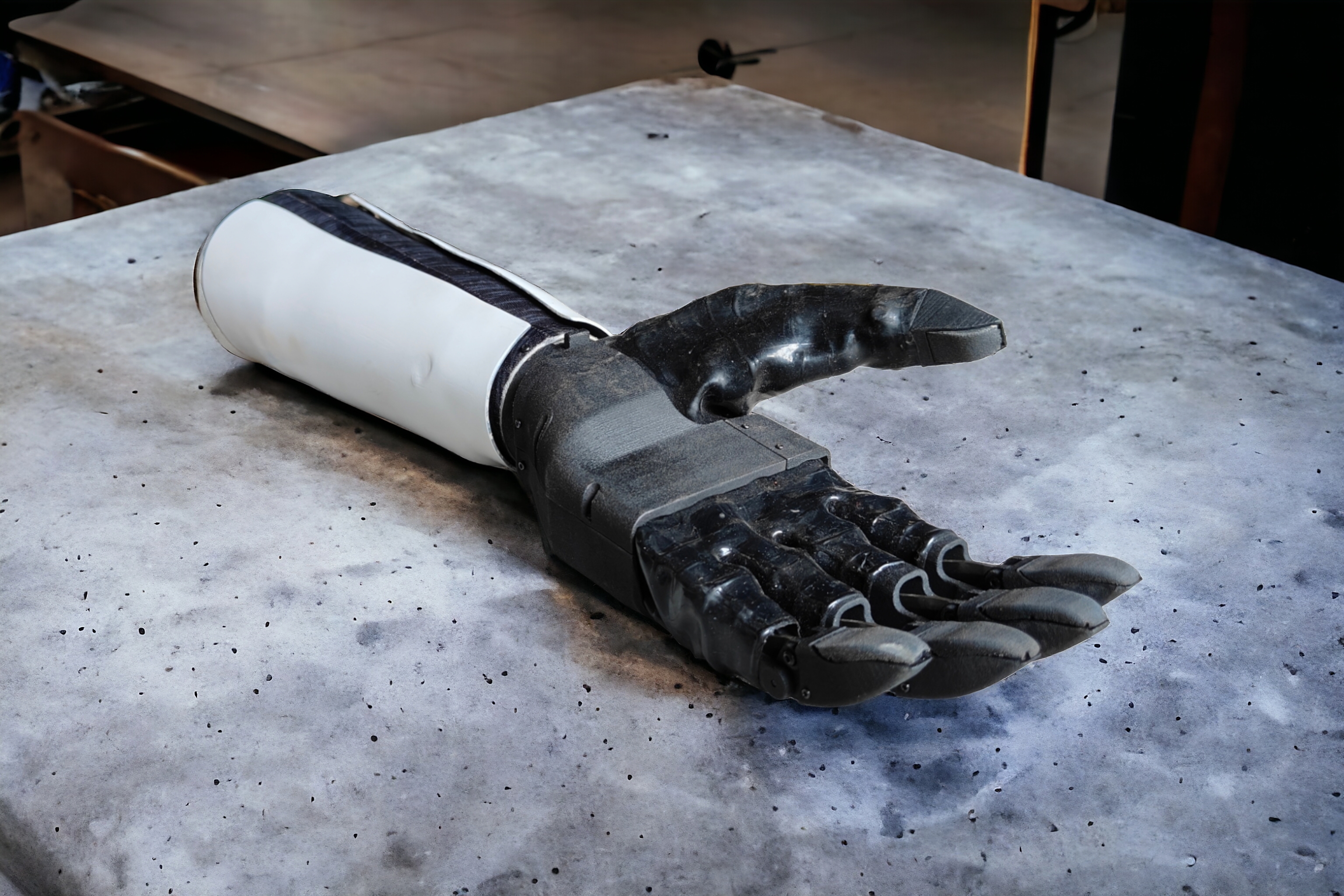
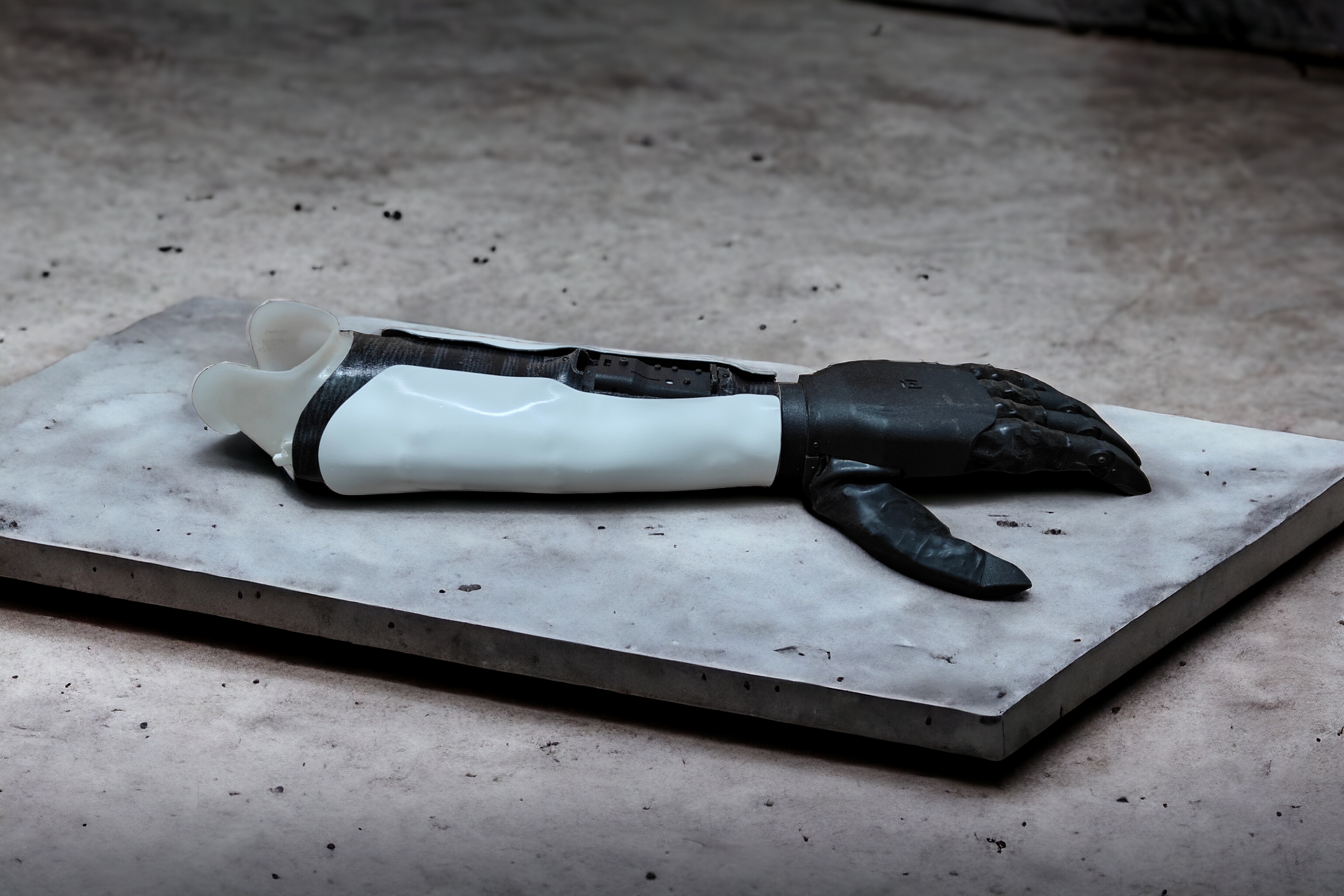
3D-printed custom sockets
Titanium and aerospace-grade alloys
These materials improve durability while keeping devices lightweight and comfortable—an area where manufacturers such as Bendita Bionics
focus heavily on user comfort and long-term wearability.
Looking ahead, the future of prosthetics includes:
Brain-computer interfaces (BCIs)
Fully integrated sensory restoration
Greater affordability and accessibility
Remote calibration and cloud-based updates
As prosthetic technology continues to evolve, innovators like Bendita Bionics are playing a key role in making advanced prosthetic solutions more inclusive and impactful worldwide.
Modern prosthetic technologies in 2026 are redefining mobility, independence, and human potential. With advancements in AI, bionics, and neural integration, today’s prosthetics are more than medical devices—they are life-changing technologies.
Organizations such as Bendita Bionics demonstrate how innovation, empathy, and engineering excellence can come together to shape the future of prosthetic care.
Click to Close