


20 May, 2026
Technology in prosthetics has evolved rapidly over the last decade, making artificial hands more advanced, lightweight, and accessible than ever before. For individuals with upper limb loss or limb differences, modern artificial hands can provide greater independence, confidence, and functionality in daily life.
At Bendita bionics, we focus on developing affordable and advanced bionic hands designed to improve real-world usability and comfort for users.
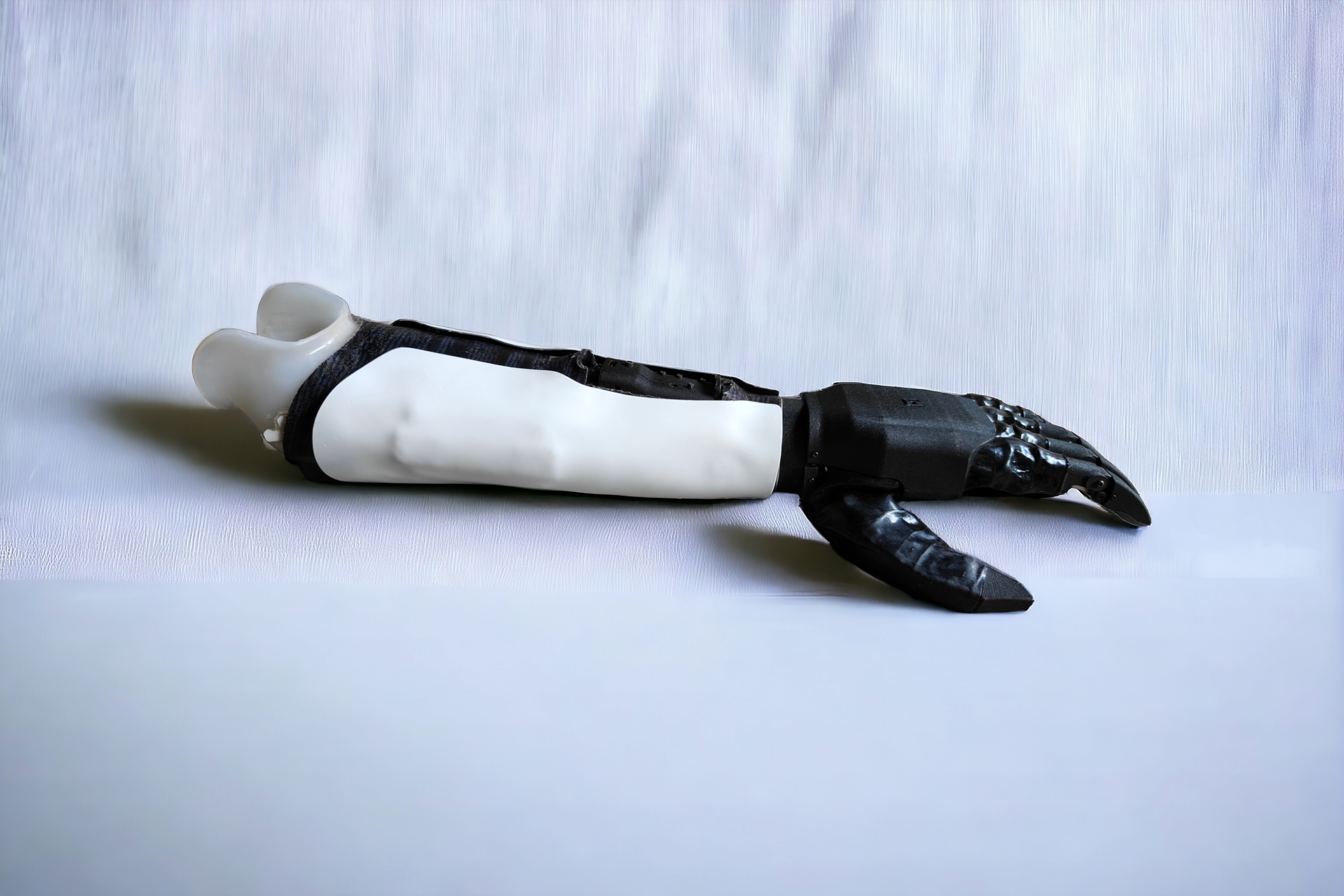
An artificial hand, also known as a prosthetic hand or bionic hand, is a device designed to replace a missing hand or part of an upper limb. Modern prosthetic technology now allows users to perform many daily activities that were once difficult with traditional prosthetics.
Artificial hands can help users:
Earlier prosthetic hands were mainly cosmetic and offered limited movement. Today’s advanced bionic hands use modern technologies such as:
These innovations help create a more natural and functional user experience.
One of the biggest challenges with prosthetics is long-term comfort. Heavy devices can become tiring during daily use. Modern artificial hands are now designed using lightweight materials to reduce fatigue and improve wearability.
At Bendita Bionics, comfort and practical usability are major priorities during product development.
Advanced prosthetic handsuse EMG sensors that detect muscle signals from the residual limb. These signals help control hand movements naturally and intuitively.
Modern artificial hands can perform different types of grips for various activities, improving independence in daily life.
3D printing technology allows prosthetic hands to be customized for better fit, comfort, and affordability.
Many advanced prosthetic hands available globally are extremely expensive, making them inaccessible for many users. One of the key goals at Bendita Bionics is making advanced prosthetic technology more affordable and practical without unnecessary complexity.
The focus is not simply on making a futuristic robotic hand — it is about building a solution that genuinely improves daily life.
The future of prosthetic technology is moving toward:
As technology continues to evolve, artificial hands are becoming more capable, more lightweight, and more user-friendly than ever before.
An artificial hand is more than just a device — it can become an important tool for restoring independence and confidence. Modern bionic technology is helping users perform everyday tasks more naturally and comfortably.
At Bendita Bionics, the goal is to create lightweight, practical, and affordable bionic hands that focus on real human needs rather than unnecessary complexity.
The future of prosthetics should be centered around usability, accessibility, and improving quality of life for every user.
Click to Close