


20 Apr, 2026
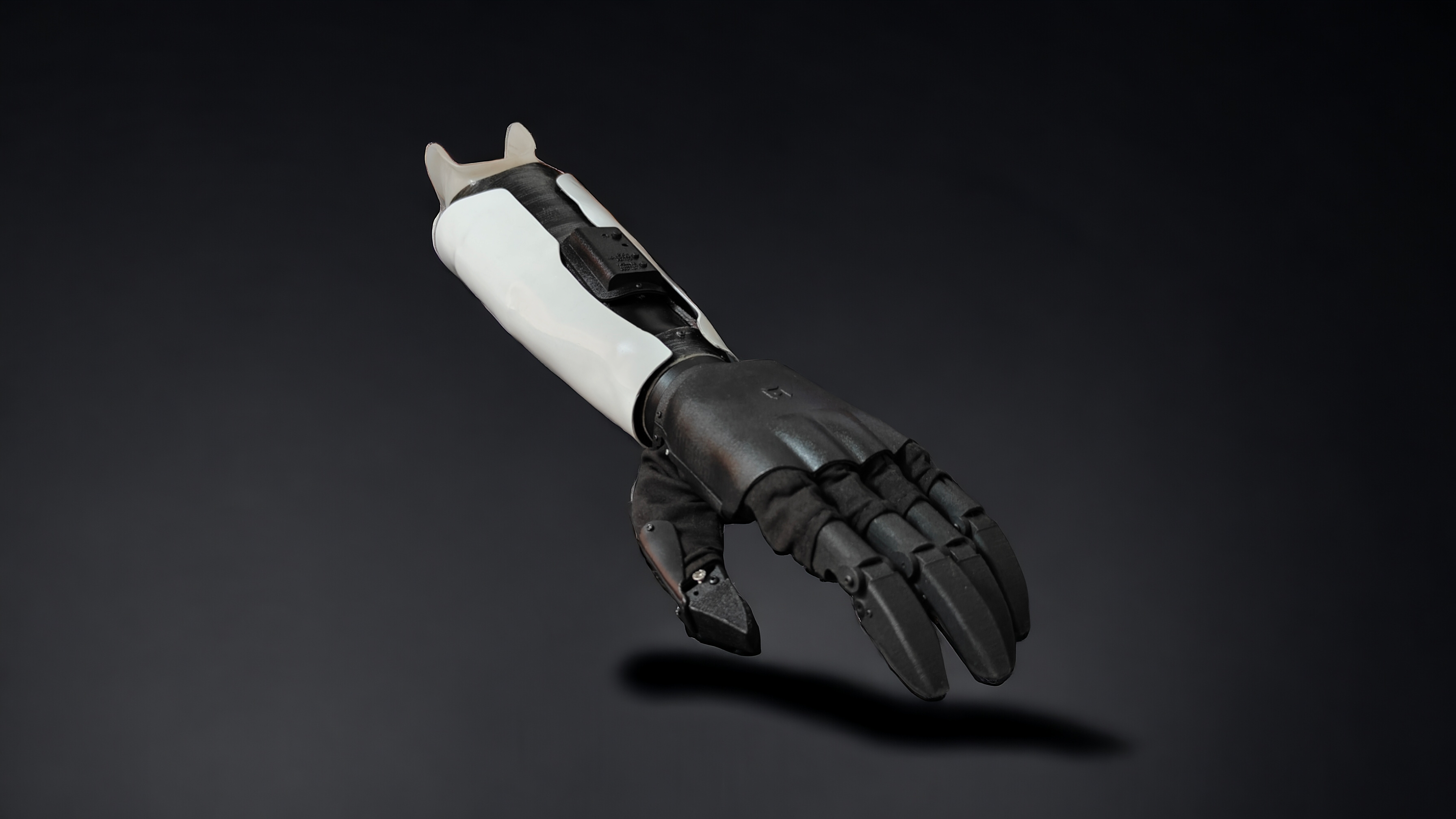
The world of robotic bionic hands is advancing rapidly. What once started as simple mechanical devices has now evolved into intelligent, multi-functional systems that restore independence and improve quality of life.
But the future of bionic hands is even more exciting—focused not just on advanced technology, but on making prosthetics more intuitive, accessible, and human-like.
Today, most bionic prosthetic hands rely on myoelectric (EMG) signals. While effective, these signals can sometimes be inconsistent due to sweat, fatigue, or environmental factors.
In the future, control systems will evolve to include:
bionic hands in IndiaThis will make and globally more reliable and easier to use in real-life conditions.
At Bendita Bionics, we are already working toward combining EMG with alternative control methods to improve usability.
The next generation of robotic prosthetic hands will integrate artificial intelligence to assist users in real time.
Future capabilities may include:
Instead of manually switching modes, the bionic hand will adapt to the user’s needs.
One of the biggest limitations today is the lack of sensory feedback.
Future bionic hands are expected to include:
This will make artificial hands feel more natural and intuitive.
Comfort plays a huge role in daily usability.
Future improvements in prosthetic hand design will focus on:
The goal is to make bionic prosthetic hands feel like a natural extension of the body.
Currently, the bionic hand cost in India can range from ₹2 lakh to ₹20 lakh+, making it inaccessible for many.
However, the future will see:
At Bendita Bionics, our focus is on developing affordable bionic hands in India without compromising on functionality and quality.
Future robotic bionic hands will be highly personalized.
Users will be able to:
This shift will ensure that each prosthetic hand is tailored to the individual user’s lifestyle.
At Bendita Bionics, we believe the future of bionic hands in India is not just about advanced robotics—it’s about real-world usability.
Our focus is on:
We aim to bridge the gap between high-end technology and real-life needs.
The evolution of robotic bionic hands is moving toward one clear goal:
restoring independence in the most natural and practical way possible.
As technology advances, bionic prosthetic hands will become smarter, more affordable, and easier to use—transforming lives across India and beyond.
Click to Close