


05 Mar, 2026
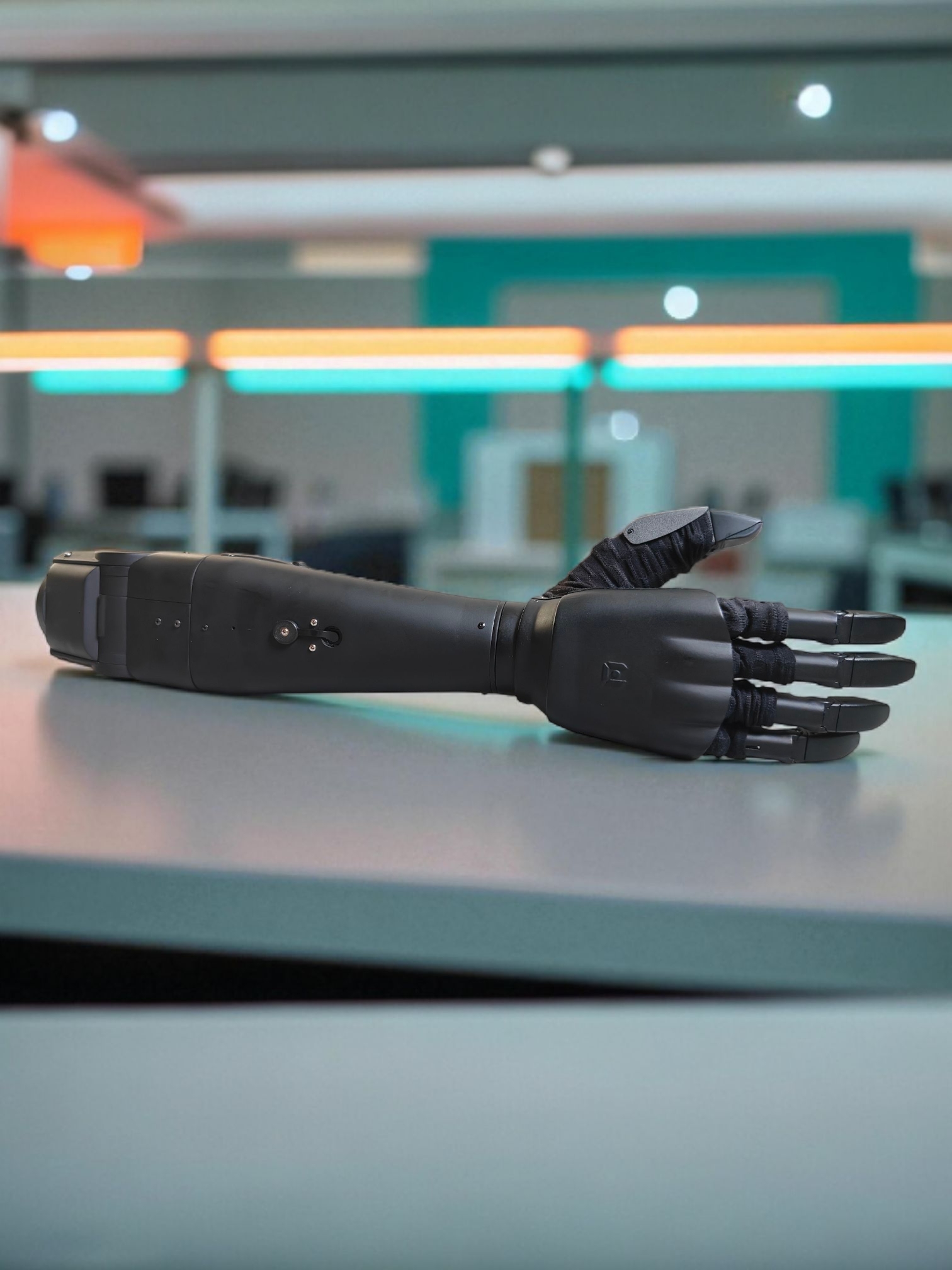
India is emerging as a powerful hub for medical technology and assistive innovation. Among the most impactful developments is the rapid progress in bionic arms, where Indian startups are building advanced, affordable, and user-centric prosthetic solutions tailored to real-world needs.
With companies like Bendita Bionics and global players such as Angel Hand influencing the ecosystem, India is redefining what accessible and intelligent bionic technology looks like.
India has a large population of upper-limb amputees due to:
Road accidents
Industrial injuries
Medical conditions
Traditional prosthetic solutions often fall short in terms of functionality, comfort, and affordability. This gap has created an opportunity for startups to develop smart bionic arms that combine technology with empathy.
Indian bionic arm startups are focusing on three critical areas:
Affordability without compromise
Lightweight, ergonomic design
Advanced control using myoelectric signals and AI
By leveraging local manufacturing, clinician partnerships, and deep-tech expertise, these startups are delivering solutions that match global standards at a fraction of the cost.
Bendita Bionics is a standout example of Indian innovation in the bionic arm space. The startup focuses on creating multi-articulated, lightweight bionic arms that are practical for everyday use.
AI-driven myoelectric control for intuitive movement
Lightweight design to reduce fatigue
Cost-effective solutions tailored for Indian users
Strong collaboration with clinicians and users
Supported by India’s startup ecosystem, including government-backed initiatives
By prioritizing usability and affordability, Bendita Bionics is making advanced bionic arms accessible to a wider population—bridging the gap between cutting-edge technology and real-world impact.
While Indian startups lead local innovation, global brands like Angel Hand play an important role in shaping the ecosystem.
Angel Hand is recognized for:
Precision-engineered, multi-articulated bionic hands
Stable and predictable myoelectric control
Refined finger movement and grip patterns
Their presence in India, through prosthetic clinics and technology adoption, raises the overall standard of care and inspires local innovation.
Indian bionic startups are rapidly adopting:
Myoelectric sensors to read muscle signals
AI algorithms to interpret user intent
Adaptive control systems that improve with use
These technologies enable users to perform daily tasks such as eating, writing, and lifting objects with greater confidence and independence.
India’s innovation ecosystem plays a vital role in advancing bionic technology. Support from:
Startup incubators
Government grants
Academic institutions
has accelerated product development and clinical validation. This environment enables startups like Bendita Bionics to compete globally while staying focused on local needs.
Despite progress, challenges remain:
Limited awareness of advanced prosthetics
Need for trained prosthetists
High expectations from users
However, continuous innovation, collaboration, and education are driving rapid improvement.
The future of Indian bionic arms includes:
Sensory feedback systems
Smarter AI-based control
More affordable, scalable designs
Greater integration with healthcare infrastructure
Indian startups are proving that world-class bionic arms don’t have to come with world-class price tags. Through innovation, empathy, and engineering excellence, companies like Bendita Bionics are leading the way—while global technologies like Angel Hand continue to influence quality and performance standards.
Together, they are shaping a future where bionic arms in India are smarter, lighter, more accessible, and truly life-changing.
Click to Close