


22 Jul, 2026
A bionic hand or powered elbow is only as effective as the socket that connects it to the user's residual limb. While advanced prosthetic technology offers multiple grip patterns, motorized elbow movement, and improved functionality, the prosthetic socket remains the foundation of comfort, control, and performance.
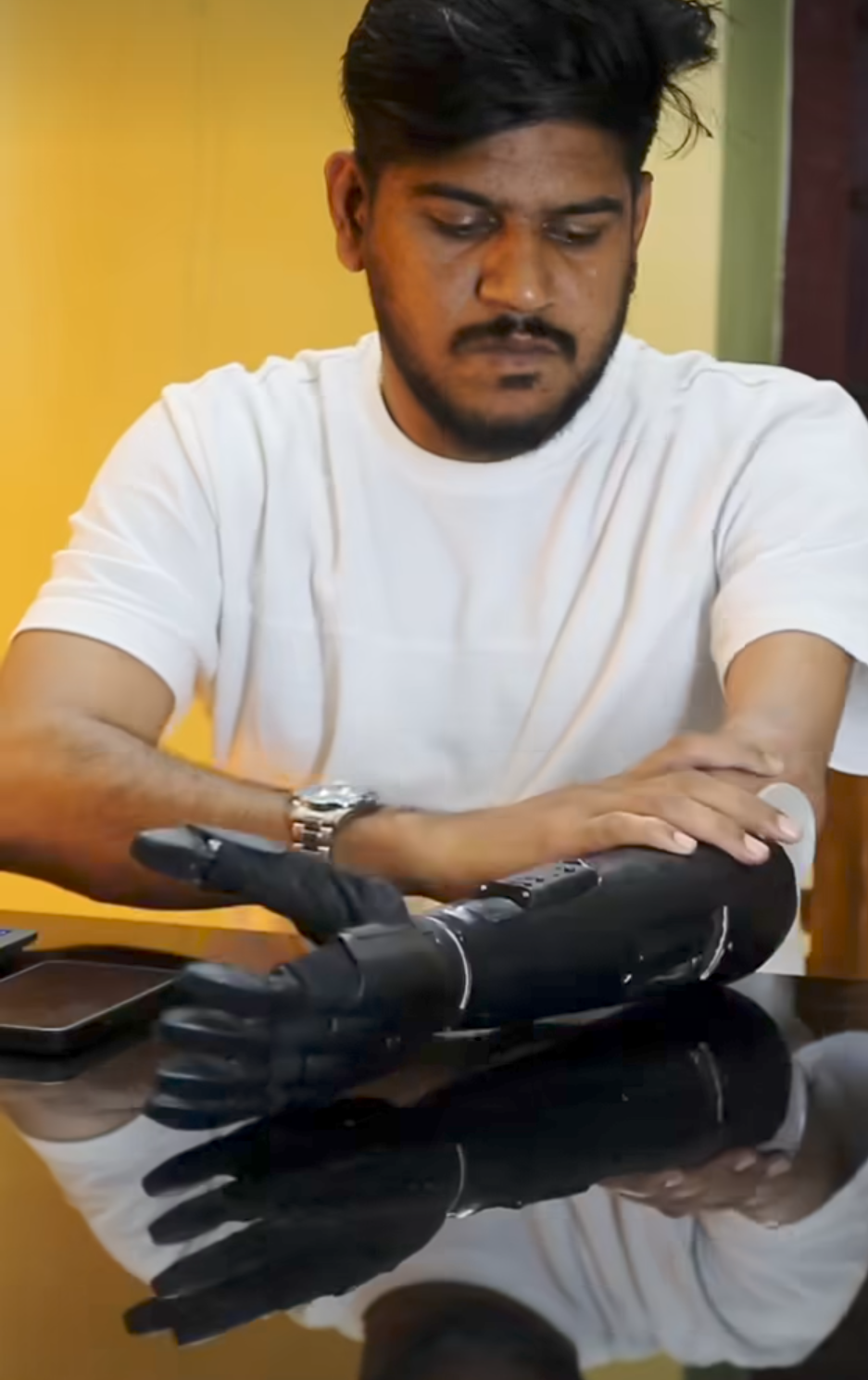
At Bendita Bionics, we design custom socket solutions for individuals using bionic hands, powered elbows, and complete upper-limb prosthetic systems. Every socket is individually crafted to provide a secure fit, allowing users to confidently perform everyday activities such as eating, writing, lifting objects, driving, and working.
Unlike cosmetic prostheses, a bionic hand contains sophisticated electronics, motors, and control systems. Whether operated through myoelectric sensors or alternative control methods, the socket must:
A poorly fitted socket can reduce control accuracy, create pressure points, and affect overall user confidence.
For individuals with above-elbow amputations, the socket becomes even more important. A powered elbow introduces additional weight and movement, making proper suspension and alignment essential.
During the fitting process, clinicians carefully assess:
A well-designed socket helps users lift objects, position the hand naturally, and perform daily activities with greater ease.
Every fitting begins with a detailed consultation. Our prosthetists evaluate the residual limb, skin condition, scar tissue, muscle activity, and the user's lifestyle and goals. This assessment helps determine the most suitable prosthetic configuration.
Precise measurements are taken to capture the unique shape of the residual limb. Depending on the case, this may involve traditional casting or modern digital scanning techniques to create an accurate model for socket fabrication.
No two residual limbs are identical. Our team designs each socket to match the user's anatomy while accommodating the selected prosthetic components, including:
The design focuses on comfort, durability, and functional performance.
Before fabricating the final socket, a transparent diagnostic socket is produced. This allows clinicians to evaluate fit, pressure distribution, alignment, and movement while making any necessary adjustments.
Once the socket fits comfortably, it is integrated with the selected prosthetic system. The prosthetist aligns the components to ensure natural positioning, smooth operation, and effective control during daily activities.
Users perform practical tasks such as:
These tests help fine-tune the fit before final delivery.
Receiving a prosthesis is only the beginning. Bendita Bionics provides training to help users become comfortable with:
As the residual limb changes over time, periodic reviews allow us to adjust the socket for continued comfort and optimal performance. Regular follow-up appointments help prevent skin issues and ensure the prosthesis continues to function effectively.
At Bendita Bionics, we believe that successful prosthetic rehabilitation goes beyond advanced technology. A carefully designed socket is essential for unlocking the full potential of a bionic hand or powered elbow.
Our approach includes:
Our goal is to provide prosthetic solutions that restore independence, improve comfort, and enhance quality of life.
The socket provides the secure connection between the residual limb and the prosthesis. It directly affects comfort, control, and overall functionality.
In many cases, a single custom-designed socket is created to support the complete upper-limb prosthetic system, including the powered elbow and bionic hand.
The timeline varies depending on individual needs and adjustments but generally includes assessment, socket fabrication, trial fitting, integration, and training over multiple appointments.
Yes. As your residual limb changes shape over time, periodic adjustments help maintain comfort and performance.
Click to Close