


03 Feb, 2026
The line between wearable technology and healthcare is rapidly disappearing. What began with fitness trackers and smartwatches has evolved into sophisticated medical wearables that actively improve human capabilities. At the forefront of this transformation is bionic prosthetic technology—a powerful fusion of engineering, AI, and healthcare.
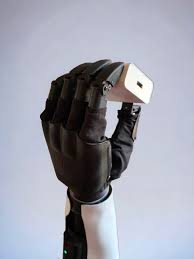
In 2026, bionic prosthetics are no longer experimental devices. They are intelligent, wearable systems that restore mobility, enhance independence, and redefine rehabilitation outcomes for amputees worldwide.
Wearable technology in healthcare has progressed from passive monitoring tools to active assistive devices. Modern medical wearables now:
Collect real-time biometric data
Adapt to user behavior
Assist or enhance physical movement
Integrate AI for personalized performance
Bionic prosthetics sit at the highest level of this evolution, functioning not just as wearables, but as extensions of the human body.
Unlike traditional prosthetics, bionic limbs are embedded with advanced electronics and software that continuously interact with the user.
Muscle-signal (myoelectric) sensors
Microprocessors and AI controllers
Adaptive movement algorithms
Lightweight, body-worn designs
Real-time feedback systems
Innovators such as Bendita Bionics are leveraging wearable tech principles to design prosthetics that are comfortable for all-day use while delivering high-performance mobility.
Artificial intelligence is the key technology driving the rise of bionic prosthetics.
Predict user movement intentions
Automatically adjust grip strength and gait
Learn from daily usage patterns
Adapt to different environments and surfaces
By integrating smart sensors with machine learning, companies like Bendita Bionics are creating prosthetic systems that become more intuitive over time—much like other advanced wearable devices.
Bionic limbs are increasingly viewed as medical-grade wearables, similar to insulin pumps or cardiac monitors, but with far more complex functionality.
They offer:
Continuous interaction with the body
Personalized calibration
Data-driven rehabilitation insights
Improved long-term health outcomes
This shift positions bionic prosthetics at the intersection of wearable tech, robotics, and digital healthcare, a space where Bendita Bionics continues to innovate with user-centered design.
One of the biggest advantages of wearable bionic prosthetics is their impact on rehabilitation.
Modern bionic systems:
Reduce physical strain during recovery
Improve balance, coordination, and control
Provide real-time performance feedback
Support faster adaptation and training
By focusing on both technology and rehabilitation needs, Bendita Bionics helps bridge the gap between clinical care and everyday life.
As wearable healthcare technology becomes more widespread, accessibility is a growing priority. The future of bionic prosthetics will focus on:
Affordable advanced prosthetic solutions
Remote diagnostics and updates
Cloud-connected wearable systems
Greater global availability
Companies like Bendita Bionics play a critical role in making advanced bionic prosthetics more accessible without compromising on performance or quality.
The rise of bionic prosthetics signals a future where wearable technology doesn’t just track health—it restores and enhances human function.
As AI, sensors, and wearable engineering continue to advance, bionic limbs will become even more natural, intuitive, and integrated into daily life. With innovators such as Bendita Bionics leading the way, wearable healthcare technology is no longer just about monitoring—it’s about empowerment.
Click to Close