


22 May, 2026
The field of prosthetic technology in India is evolving rapidly. What was once considered futuristic technology is now becoming increasingly accessible to people looking for advanced artificial hands that improve independence, comfort, and quality of life.
Today, modern bionic prosthetic hands are transforming the lives of individuals with upper limb loss by offering better functionality, lightweight design, and more natural movement. As awareness grows, more people are searching for advanced artificial hands in India that are both technologically advanced and affordable.
At Bendita Bionics, the goal is simple: to build lightweight, practical, and user-focused bionic hands designed for real-world daily life.
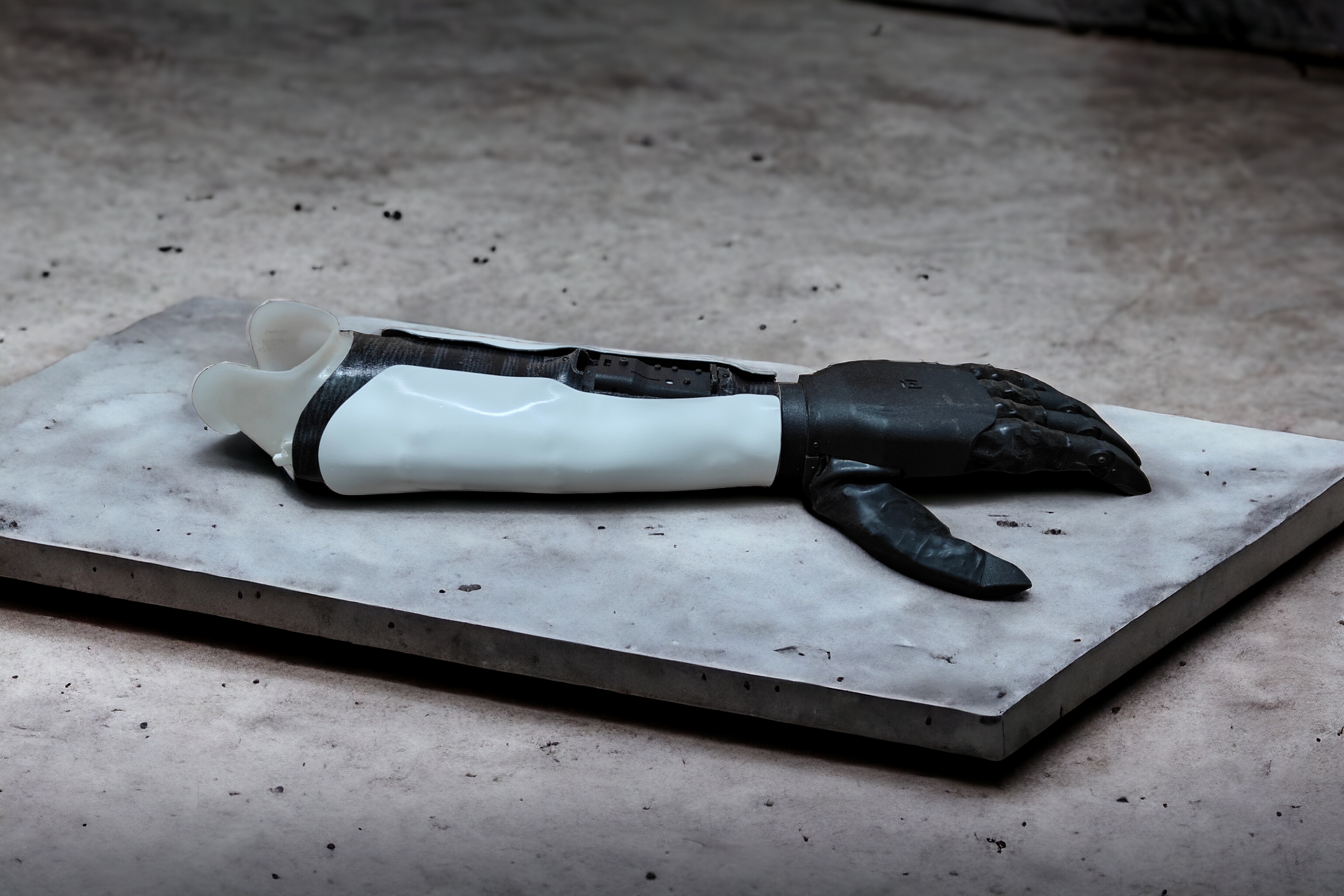
An advanced artificial hand, also known as a bionic hand or myoelectric prosthetic hand, is a prosthetic device that replaces a missing hand or upper limb using modern electronics, sensors, motors, and intelligent control systems.
Unlike traditional cosmetic prosthetics, modern artificial hands are designed to restore functionality and improve daily independence.
Advanced prosthetic hands can help users:
Modern bionic hands are becoming more lightweight, intuitive, and comfortable than older prosthetic designs.
India is witnessing significant growth in healthcare innovation and assistive technology. Increasing awareness about prosthetic rehabilitation and advancements in engineering are helping improve access to modern prosthetic solutions.
However, one major challenge still exists:
Many imported advanced prosthetic hands are extremely expensive.
This creates a large accessibility gap for users searching for:
This is where Indian prosthetic innovation becomes important.
Companies developing advanced artificial hands in India are working to make modern prosthetic technology more accessible, practical, and affordable for everyday users.
Modern bionic prosthetic hands now include several advanced features that significantly improve usability and functionality.
One of the most important technologies used in advanced prosthetic hands is EMG-based myoelectric control.
Myoelectric sensors detect electrical signals generated by muscles in the residual limb. These signals are converted into hand movements such as:
This allows more intuitive and natural control compared to older mechanical prosthetics.
Advanced artificial hands support multiple grip modes for different daily activities.
Common grip patterns include:
These grip styles help users perform practical activities more efficiently.
One of the biggest reasons many users stop wearing prosthetic devices is discomfort caused by heavy weight.
A heavy prosthetic hand can become physically exhausting during long-term daily use.
That is why lightweight engineering is becoming a major focus in modern prosthetic development.
At Bendita Bionics, user comfort and wearability are treated as core priorities rather than secondary features.
A prosthetic hand should feel natural enough to integrate into daily life without becoming another burden.
3D printing technology is changing the prosthetics industry globally.
3D printed prosthetic hands offer several advantages:
Customized 3D printed components also improve socket fitting and user comfort.
This technology is helping make advanced artificial hands more affordable in India.
Many advanced prosthetic hands focus heavily on technical complexity and futuristic appearance.
However, real-world usability matters far more to most users.
People generally prioritize:
A prosthetic hand should make life easier rather than more complicated.
The future of prosthetics is moving toward human-centered design where technology quietly supports the user instead of demanding constant attention.
This is an important topic often ignored in the prosthetics industry.
Many users eventually stop wearing prosthetic hands because:
Adding unnecessary complexity does not always improve user experience.
Sometimes simpler and more intuitive functionality creates better long-term adoption.
That is why modern prosthetic engineering increasingly focuses on:
Cost remains one of the biggest barriers in prosthetic accessibility.
Many imported bionic hands are priced beyond the reach of most users in India.
The need for affordable prosthetic hands in India continues to grow rapidly.
By using:
companies can reduce costs while maintaining advanced functionality.
Affordable prosthetic technology has the potential to improve accessibility for thousands of users across India.
Bendita Bionics focuses on developing advanced bionic hands that prioritize:
The philosophy is simple:
A prosthetic hand should not feel like a machine attached to the body.
It should feel natural enough to become part of everyday life.
Instead of adding unnecessary features purely for demonstration purposes, the focus is on building solutions that genuinely help users in their daily activities.
The future of prosthetic technology in India looks promising.
Emerging technologies are expected to improve:
Future prosthetic systems may eventually include:
At the same time, accessibility and affordability must remain central priorities.
Advanced technology only creates real impact when people can actually access and use it comfortably.
Selecting the right prosthetic hand depends on multiple factors:
The best prosthetic hand is not always the one with the highest number of features.
The best prosthetic is the one that fits naturally into the user’s lifestyle and improves everyday independence.
Advanced artificial hands in India are evolving rapidly and becoming more accessible than ever before.
Modern bionic hands are no longer focused only on appearance — they are becoming practical assistive devices designed to improve quality of life through:
The future of prosthetic technology lies not just in advanced robotics, but in creating comfortable, practical, and accessible solutions that people genuinely want to wear every day.
As India continues to innovate in healthcare and assistive technology, advanced artificial hands will play an increasingly important role in restoring independence, confidence, and opportunity for thousands of users.
Click to Close