


22 Jun, 2026
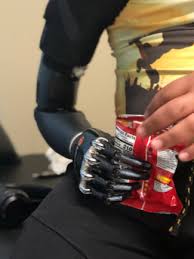
Artificial hands in India are becoming more advanced, accessible, and practical than ever before. With rapid improvements in prosthetic technology, people with upper limb loss now have access to lightweight, functional, and intelligent prosthetic solutions that can significantly improve independence and quality of life.
The prosthetics industry in India is evolving from basic cosmetic devices toward advanced bionic hands designed for real-world usability and comfort.
At Bendita Bionics, we focus on building affordable and advanced artificial hands in India that prioritize human-centered design, lightweight engineering, and daily usability.
An artificial hand, also called a prosthetic hand or bionic hand, is a device designed to replace a missing hand or upper limb. Modern artificial hands are no longer limited to cosmetic appearance alone.
Today’s advanced prosthetic hands can help users:
Modern prosthetic technology is helping users regain functionality and independence in daily life.
Earlier prosthetic devices mainly focused on basic appearance and limited movement. However, recent advancements in engineering and healthcare technology have transformed the prosthetics industry significantly.
Modern artificial hands now include:
As awareness and accessibility improve, more people are searching for:
One of the biggest advancements in prosthetic technology is the development of myoelectric prosthetic hands.
These prosthetics use EMG sensors that detect electrical signals generated by muscles in the residual limb. The signals are translated into movements such as:
Myoelectric prosthetic hands provide more intuitive control and improve daily usability compared to traditional mechanical prosthetics.
Comfort is one of the most important factors in long-term prosthetic usage.
Many prosthetic users stop wearing their devices because they feel:
That is why lightweight engineering has become a major focus in modern prosthetic development.
At Bendita Bionics, we strongly believe that an artificial hand should not feel like another burden for the user. It should feel natural enough to integrate comfortably into daily life.
3D printing technology is revolutionizing the prosthetics industry globally and in India.
3D printed artificial hands offer several advantages:
Customized prosthetic components also improve socket fit and overall comfort for users.
3D printing is helping make advanced artificial hands more affordable and scalable in India.
One of the biggest challenges in the Indian prosthetics market is cost.
Many imported advanced bionic hands are extremely expensive and inaccessible for a large number of users.
The need for affordable artificial hands in India continues to grow rapidly.
By focusing on:
Indian prosthetic companies can help make advanced assistive technology more accessible.
Technology alone does not guarantee a good prosthetic experience.
Real-world usability matters far more than unnecessary complexity.
Most users prioritize:
The future of prosthetics should focus on improving daily life rather than simply adding more complicated features.
At Bendita Bionics, our design philosophy focuses on:
Modern bionic hands support multiple grip patterns for different daily tasks.
Common grip modes include:
These grip patterns help users perform activities more naturally and independently.
Despite advancements in prosthetic technology, many users still struggle with:
This is why user-centered innovation is becoming increasingly important in the prosthetics industry.
The goal should not only be advanced robotics — it should also be comfort, accessibility, and long-term usability.
The future of prosthetic technology in India looks promising as innovation continues to improve:
Future prosthetic systems may include:
At the same time, accessibility must remain a major priority.
Advanced technology only creates meaningful impact when people can actually access and use it comfortably.
At Bendita Bionics, we are focused on building advanced artificial hands in India that prioritize real human needs.
We believe the best prosthetic hand is not necessarily the most complex one.
It is the one that:
Our mission is to make advanced prosthetic technology more lightweight, affordable, and practical for people who need it most.
Artificial hands in Indiaare entering a new era of innovation and accessibility.
Modern bionic prosthetic hands are becoming:
As prosthetic technology continues to evolve, the focus should remain on creating solutions that genuinely improve everyday life for users.
The future of artificial hands is not just about advanced robotics.
It is about restoring independence, confidence, and opportunity through practical and accessible innovation.
Click to Close